可換
解説 Definition
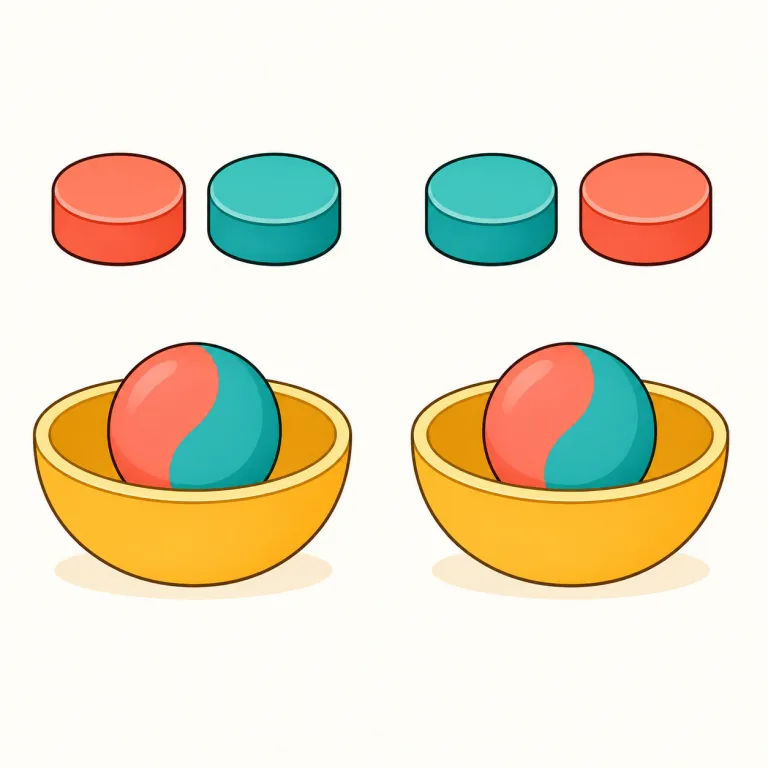
数学や論理学において、操作の順序が結果に影響を与えない性質を持つ。例えば、加算では2+3=3+2である。
Commutative describes a mathematical rule where changing the order does not change the result. For example, addition is commutative because 2 + 3 gives the same result as 3 + 2. This word is mainly used in mathematics and logic.
覚え方のコツ Memory Tip
commutative は、まず中に見える common / community の com- を「いっしょに」、mutual や mutable に近い mut- を「入れ替わる・変わる」感覚でつかむと覚えやすいです。数学では「順番を入れ替えても同じ結果になる性質」と結びつけ、a+b=b+a、ab=ba を定番例として固定すると忘れにくくなります。特に associative(結び方を変えてもよい)と混同しやすいので、commutative は“位置交換OK”、associative は“カッコ変更OK”と対比で覚えるのが有効です。
Use a math memory hook: commutative means you can change the order and still get the same result. Keep simple examples in mind, like a + b = b + a. To avoid confusion, remember: commutative is about changing position, while associative is about changing grouping.
例文
Addition is a commutative operation because the order of numbers doesn't change the result.
加算は可換演算である。なぜなら、数字の順序は結果を変えないからである。
In algebra, the commutative property of multiplication allows us to rearrange factors.
代数学では、乗算の可換性により、因子を並べ替えることができる。
The commutative law is fundamental to many mathematical operations and theorems.
可換法則は多くの数学的操作や定理の基礎となる。
commutative の類義語・関連語
commutative の語源・成り立ち Etymology
commutativeはラテン語commutare「交換する」から来て、com-「共に」+ mutare「変える」と分けられます。つまり「一緒に入れ替える」が原義なので、順序を替えても値が変わらないという可換の感覚がつかめます。commuteやmutationも同根です。
Commutative comes from Latin commutare, meaning "to exchange" or "change together." It is built from com-, "together," and mutare, "to change." The idea of swapping parts without changing the result led to its modern mathematical use, and it is related to commute and mutation.
同じレベルの語彙をもっと
外部辞書で調べる
この英単語をクイズで覚えよう