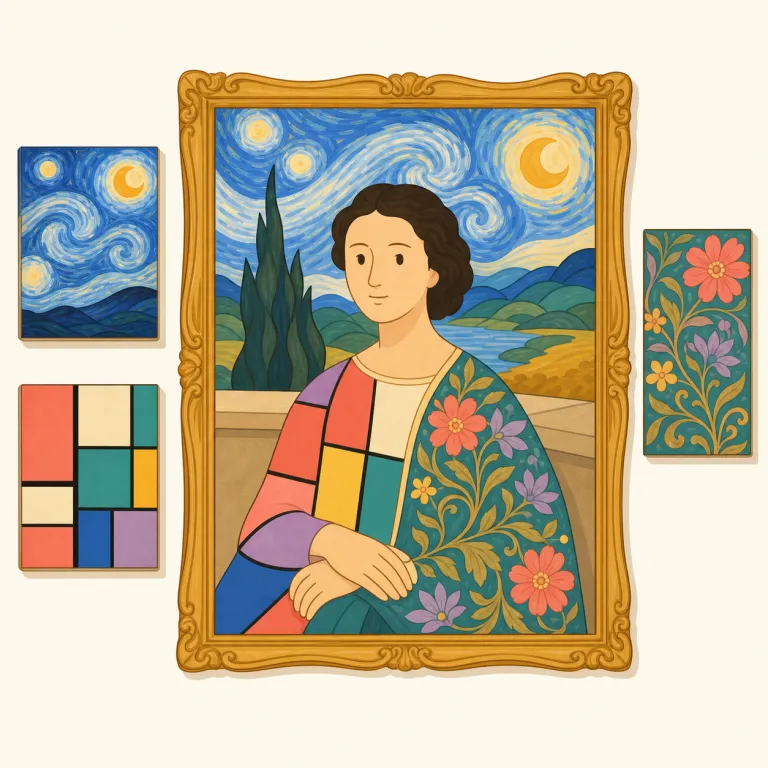
模倣作品
解説 Definition
既存の芸術作品やスタイルを模倣して作られた新しい作品であり、複数の様式を組み合わせた創作物です。時には敬意を込めて、時には批判的に使用されます。
A pastiche is a work of art, writing, or music that copies the style of another work or artist. It is often made as a respectful imitation, though sometimes it can feel playful or lacking originality.
覚え方のコツ Memory Tip
parody が笑いや風刺を前面に出すのに対し、pastiche はまず「この作風・時代感をそれっぽく再現した作品」という語。homage に近く、悪意のない模倣にも使えます。1人の作家そっくりでも、複数の様式を混ぜた映画・小説・音楽にも言えるので、「copy ではなく style の再構成」という軸で覚えると定着します。collage や mash-up を連想すると、複数スタイルの寄せ集め感もつかみやすいです。
Remember it next to `parody`, but do not mix them up. A `pastiche` copies a style or mood, often with respect, while `parody` usually adds humor or criticism. Think of a film, book, or song built from someone else's style rather than a simple copy.
例文
The artist created a pastiche of classical and modern art styles.
その芸術家は、古典と現代の芸術様式を組み合わせた模倣作品を作りました。
The novel was criticized as a pastiche of detective fiction.
その小説は探偵小説の模倣作品として批判されました。
Her musical composition was a clever pastiche of jazz and classical elements.
彼女の曲は、ジャズとクラシックの要素を巧みに組み合わせた模倣作品でした。
pastiche の類義語・関連語
pastiche の語源・成り立ち Etymology
pastiche はフランス語経由で、イタリア語 pasticcio「ごちゃ混ぜのパイ」に由来します。語幹は pasta「練り粉」で、paste や pastry も同根です。いろいろな作風をひとつに練り合わせた作品だと思うと、「模倣作品」の意味が腑に落ちます。
Pastiche came into English through French from Italian pasticcio, originally meaning a mixed pie or pastry. It is related to pasta, from a root about dough or paste, and English words like paste and pastry are from the same family. The idea moved from a mixture of ingredients to a mixture of styles in one work.
同じレベルの語彙をもっと
外部辞書で調べる
この英単語をクイズで覚えよう