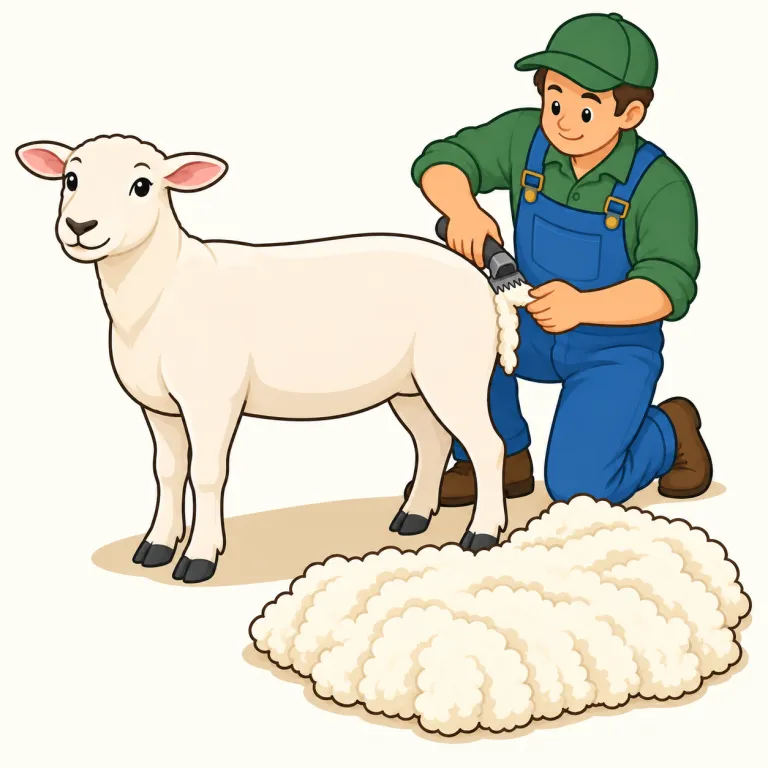
すっかり刈る
解説 Definition
(古風・まれ)人や動物の毛をすっかり刈る、または何かを刈り取る。比喩的に、所有物や性質などをすっかり取り去る意味でも使われます。現代英語では通常 shear、shave off、strip などを使います。
An archaic or very rare transitive verb meaning to shear or shave something all over or to remove something by shearing. It may also be used figuratively for stripping someone or something of a possession or quality. Modern English normally uses shear, shave off, or strip instead.
覚え方のコツ Memory Tip
beshear は be- と shear「刈る」からなる古風で非常にまれな動詞です。「嫌がる」という意味ではなく、「全面的に刈る、取り去る」と覚えます。過去形・過去分詞には besheared のほか、古風な beshore・beshorn もあります。通常の現代英語では shear、shave off、strip を使うのが自然です。大文字の Beshear は姓なので区別します。
Beshear is an archaic and very rare verb built on shear, “to cut or remove hair or wool.” Its core idea is thorough shearing or removal, not reluctance or aversion. Older inflected forms include beshore and beshorn, alongside regular besheared. In ordinary modern English, use shear, shave off, or strip. Also distinguish the lowercase verb beshear from Beshear, a surname.
例文
The archaic verb beshear means to shear something all over.
古語の beshear は、何かをすっかり刈ることを意味します。
The sheep was besheared from head to tail.
その羊は頭から尾まで毛をすっかり刈られました。
The poem pictures a king beshorn of his glory.
その詩は、栄光をすっかり奪われた王を描いています。
beshear の類義語・関連語
beshear の語源・成り立ち Etymology
中英語 bischeren を経て、古英語 bescieran/besceran「刈る、そる、切る」にさかのぼる古い語です。shear と同系で、接頭辞 be- が付いた形です。「嫌がる」という意味への派生を示す確かな根拠はありません。
Beshear comes through Middle English bischeren from Old English bescieran or besceran, meaning “to shear, shave, or cut.” It is a prefixed form related to shear. There is no secure basis for deriving a sense “be unwilling” from this history.
同じレベルの語彙をもっと
外部辞書で調べる
この英単語をクイズで覚えよう