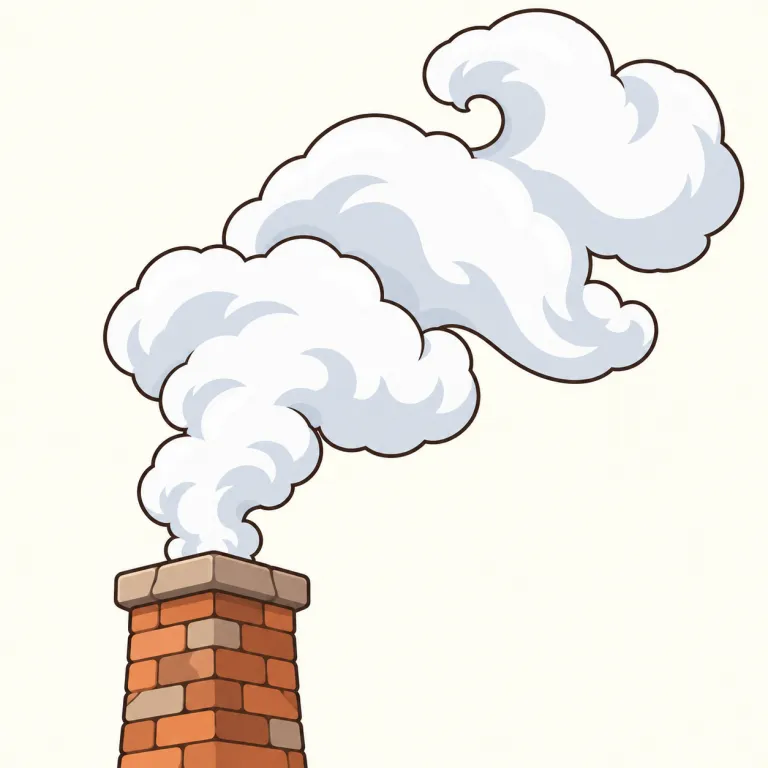
うねる
解説 Definition
billowing は billow(大きくふくらむ、うねる)の現在分詞・動名詞です。煙や布、雲などが波のように広がったり、ふくらみながら動いたりする様子に使われます。
Billowing is the present participle or gerund of billow. It describes smoke, clouds, fabric, or similar material swelling outward and moving in large, rolling waves, often because of wind, heat, or pressure.
覚え方のコツ Memory Tip
billowing は原形 billow に -ing をそのまま付けた現在分詞・動名詞で、発音の末尾は「イング」/ɪŋ/ です。大波 billow の像から、smoke、clouds、curtains が大きく膨らみ、波打ちながら広がる場面を思い浮かべます。単なる moving より量感のある動きです。
Start with the base verb billow, originally associated with a large wave, and add -ing without changing the spelling: billow becomes billowing. The final -ing is pronounced /ɪŋ/. Picture thick smoke rolling from a chimney, dark clouds swelling over hills, or curtains expanding in a strong breeze. All three scenes combine outward swelling with wave-like movement. This makes billowing stronger and more visual than simply moving or blowing: it suggests a large, flowing mass repeatedly rising, folding, or spreading.
例文
White smoke was billowing from the old chimney.
古い煙突から白い煙がもうもうと立ち上っていました。
The curtains were billowing in the strong sea breeze.
カーテンは強い海風を受けて大きくふくらんでいました。
Dark clouds were billowing over the hills before the storm arrived.
嵐が来る前に、暗い雲が丘の上でうねるように広がっていました。
billowing の類義語・関連語
類義語
紛らわしい語
billowing の語源・成り立ち Etymology
古ノルド語 bylgja(波、うねり)から中英語 billow(大波)が生まれ、その現在分詞形。語根はゲルマン祖語 *bulgō(膨らむもの)に遡る。関連語: bulge(膨らみ)、belly(腹)。「膨らみながら押し寄せる」イメージが原義。
Billowing is formed regularly from the verb billow plus the participial suffix -ing. Billow first referred to a great wave and entered Middle English from a Scandinavian source, commonly compared with Old Norse bylgja, meaning “wave.” The verb later extended the wave image to smoke, clouds, and loose fabric that swell and roll. Its historical imagery is therefore physical and visual: a mass rises and moves as if it were a wave.
同じレベルの語彙をもっと
外部辞書で調べる
この英単語をクイズで覚えよう