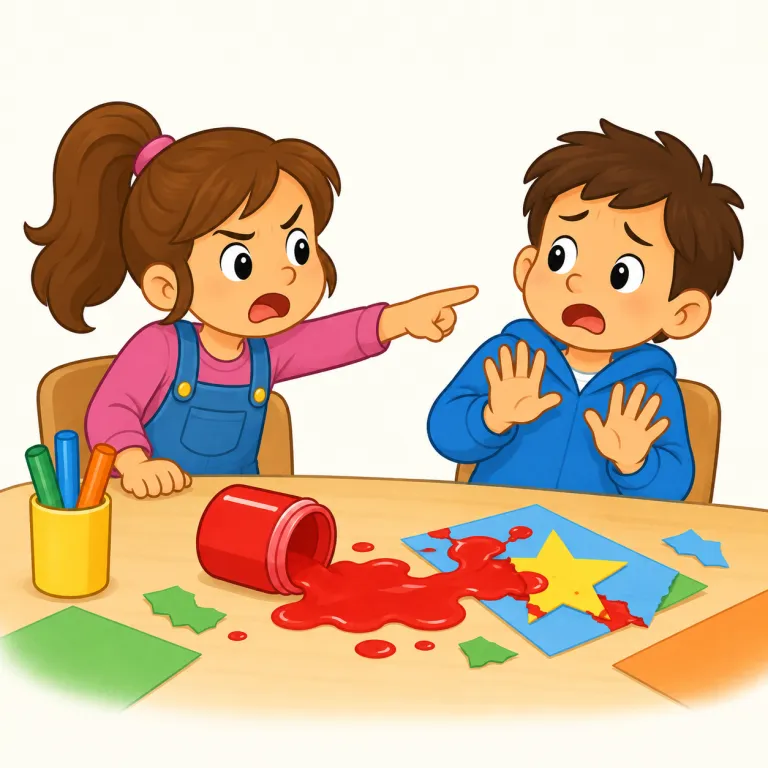
責められた
解説 Definition
blamed は blame(責める、非難する)の過去形・過去分詞です。失敗や問題の原因だとして、人や物が責められたことを表します。
Blamed is the past tense and past participle of blame. In passive use, it means that a person, group, or thing was held responsible for a mistake, problem, delay, accident, or other undesirable result.
覚え方のコツ Memory Tip
blamed は blame「責める、原因を帰する」に -ed を付けた過去形・過去分詞で、発音は /bleɪmd/。例文のような受け身では be blamed for the mistake「そのミスのことで責められる」が定番です。能動態の blame A for B「BについてAを責める」と blame B on A「BをAのせいにする」も対で覚え、単に批判する criticize との型の違いを押さえましょう。
Build blamed from blame plus -ed; because blame ends in the voiced sound /m/, the ending is pronounced /d/, producing /bleɪmd/. Picture responsibility for a problem being placed on someone. The key passive pattern is be blamed for something: he was blamed for the mistake. In active sentences, remember blame A for B, meaning “hold A responsible for B,” and blame B on A, meaning “say B was caused by A.” Criticize focuses on expressing disapproval, while blame specifically assigns responsibility for a bad result. The adjective blameless provides a useful contrast: deserving no blame.
例文
He was blamed for the mistake.
彼はそのミスで責められました。
The driver was blamed after the accident.
事故の後、その運転手は責められました。
The team was blamed for the late report.
そのチームは報告書の遅れで責められました。
blamed の類義語・関連語
blamed の語源・成り立ち Etymology
blame は古フランス語 blasmer を経て、後期ラテン語・ギリシャ語 blasphēmein「悪く言う」にさかのぼる。-ed は過去形語尾で、原義は「悪く言われた」だから「責められた」という意味につながる。関連語は blasphemy、blameless。
Blamed is formed from blame and the past-tense or past-participle ending -ed. Blame came into English from Old French blasmer, “to criticize or condemn,” ultimately connected with Late Latin blasphemare and Greek blasphēmein, “to speak evil of” or “slander.” Over time, the English verb developed its central modern sense of holding someone or something responsible for a fault or harmful result. Blameless and blameworthy are later formations from the same English base.
同じレベルの語彙をもっと
外部辞書で調べる
この英単語をクイズで覚えよう