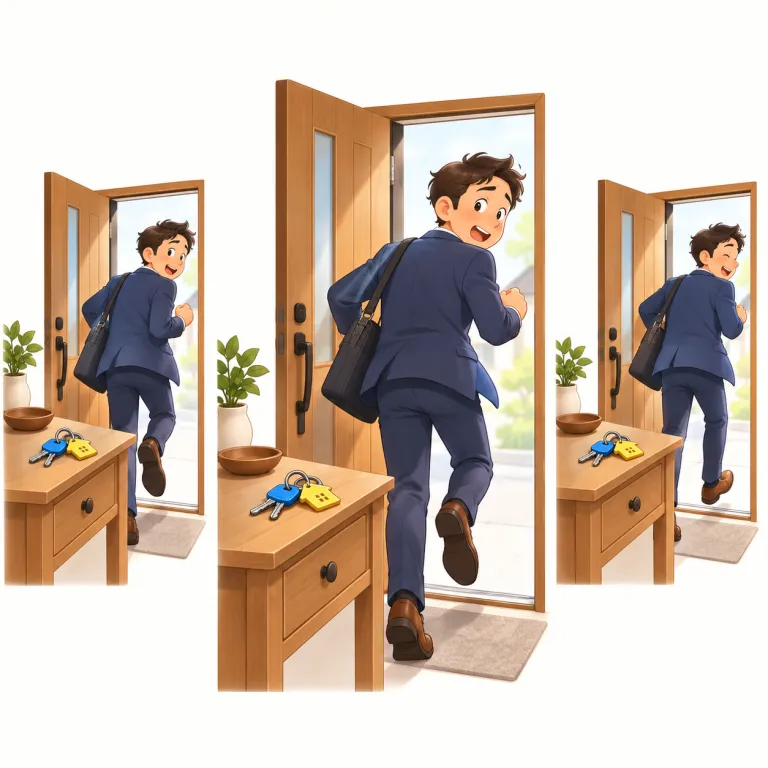
prone
prone は英検1級・TOEIC 860・TOEFL 80・IELTS 6.5レベルの英単語で、「傾向のある、うつ伏せの」という意味があります。発音記号は /proʊn/ です。
意味一覧 (2件)
傾向のある
解説 Definition
ある事柄が起こりやすい性質があることを表す形容詞。人や物が失敗・病気・習慣などに影響されやすい状態を指すときに用い、否定的な傾向を説明する場面でよく使われる。自然発生的なきまりがちな状態を強調するときや「〜しがち」と訳される場合がある。
Prone means likely to do, have, or suffer from something. It is often used when talking about habits, weaknesses, or problems, such as being prone to mistakes or illness. It can also mean lying flat, face downward, in a physical position.
覚え方のコツ Memory Tip
be prone to ... のかたまりで覚えるのが最重要です。単独で「傾向がある」と入れるより、「〜しがち」「〜に弱い」と覚えると使いやすくなります。tend to や be likely to に近いものの、prone は mistakes, illness, accidents, depression など、やや好ましくないことに傾く場面で特によく使われます。人にも物にも使え、error-prone, accident-prone も頻出。なお prone position は「うつ伏せ」で、同じ語でも文脈で意味が分かれる点に注意すると記憶に残ります。
Remember `prone` as the pattern `be prone to ...`. It usually appears with unwanted things, like mistakes, illness, or accidents, so it often feels more negative than `likely`. Forms like `error-prone` and `accident-prone` are very common and useful memory hooks.
例文
He's prone to forget his keys when he's in a hurry.
彼は急いでいるときに鍵を忘れがちだ。
This road is prone to flooding after heavy rain.
この道は大雨の後に水浸しになりやすい。
He is prone to colds in winter.
彼は冬に風邪をひきやすい。
えいたんごクイズでの正答率
この語をはじめて出題された 35人 のうち 20人 が正解しました(57%)。
えいたんごクイズの回答から集計した独自データです。1人につき最初に出題されたときの1回だけを数えており、復習や2回目以降の回答、「わからない」と時間切れは含みません。 集計時点は 2026年9月19日 です。
うつ伏せの
(意味 2)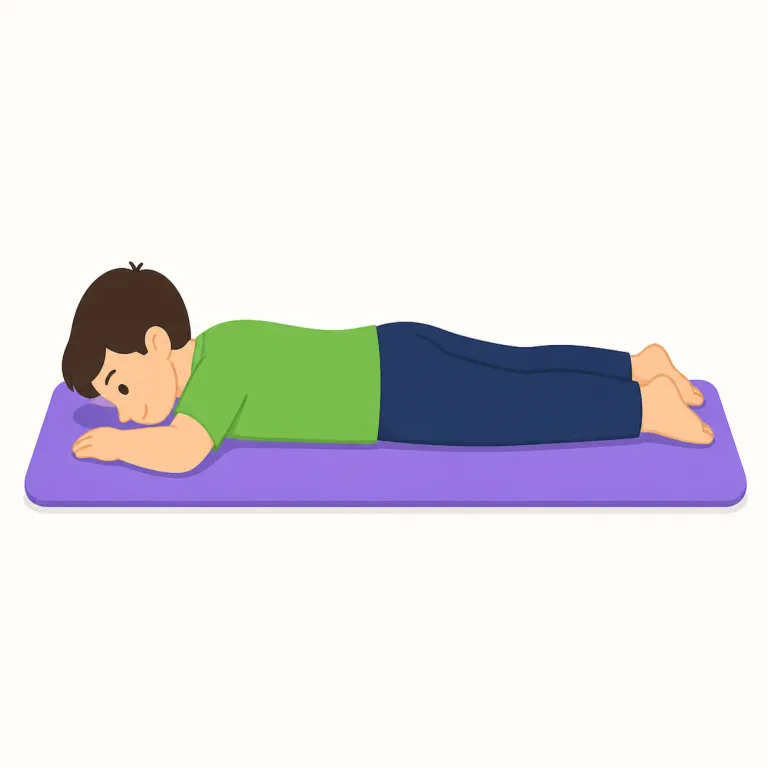
解説 Definition
proneがこの意味で使われると、体の前面を下にして腹ばいに横たわっている姿勢を表す。人が床や地面に伏している場面でよく使われ、医療・事故・運動の説明でも見かける。比喩ではなく、物理的な姿勢を指す語義。
Lying flat with the front of the body facing down and the back facing up. This adjective describes a physical position, often in accounts of exercise, medical care, or someone lying on the ground.
覚え方のコツ Memory Tip
prone position のかたまりで覚えるのが最重要です。体の前面が下、背中が上になっている絵を思い浮かべると、「うつ伏せの」が定着します。lie prone, remain prone, prone on the floor のように、床やベッドに腹ばいで伏している場面で使う。be prone to ... の「〜しがち」と違い、この行では比喩ではなく体の向きそのものを表す点に注意すると記憶に残ります。
Learn 'prone position' while picturing a person lying with their stomach down and back up. Connect 'lie prone' and 'remain prone' with that same body position.
例文
The patient was lying prone on the bed.
患者はベッドにうつ伏せで横たわっていた。
The soldiers remained prone behind the wall.
兵士たちは壁の後ろでうつ伏せのままだった。
The therapist asked him to start in a prone position.
療法士は彼にうつ伏せの姿勢から始めるよう求めた。
prone の類義語・関連語
prone の語源・成り立ち Etymology
ラテン語 pronus「前にかがんだ・うつ伏せの」が語源で、pro-「前へ」と結びつけて考えられます。そこから姿勢だけでなく「ある方向に傾きやすい」へ広がり、be prone to で「〜しがちだ」となるのが自然に理解できます。関連語に prone position があります。
"Prone" comes from Latin pronus, meaning "bent forward" or "leaning forward." At first it described a physical position, especially lying face downward. Later, the meaning widened to describe someone who naturally tends toward something, as in "prone to error."
同じレベルの語彙をもっと
英検1級の一覧へ →外部辞書で調べる
この英単語をクイズで覚えよう