fare
fare は英検2級・TOEIC 600レベルの英単語で、「運賃、料金、やっていく、うまくやる」という意味があります。発音記号は /fɛr/ です。
意味一覧 (2件)
運賃、料金
解説 Definition
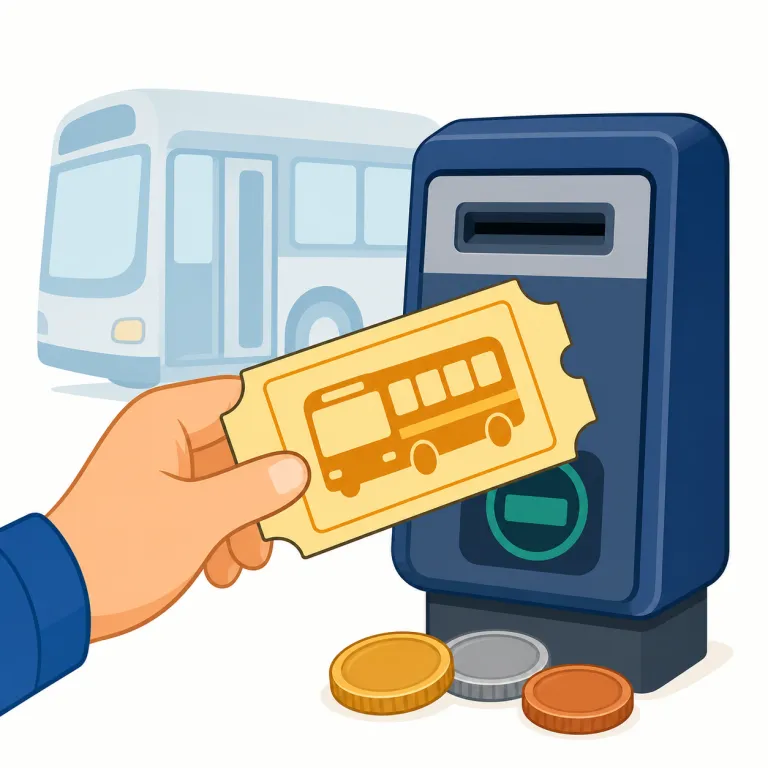
fare が名詞のときは、バス・電車・タクシー・飛行機などの交通機関を利用するときに払うお金を表す。切符代や乗車料金の文脈でよく使われ、特に移動のための料金を指すのが中心である。日常会話では bus fare や taxi fare の形が典型的。
The money paid to travel on a bus, train, taxi, plane, or similar form of transport. This noun refers specifically to the cost of a journey.
覚え方のコツ Memory Tip
fare は名詞なら bus fare / train fare / taxi fare のまとまりで、「乗り物に乗るために払うお金」と固定すると覚えやすい。fee や charge は広く料金を表せますが、fare は移動・乗車に結びつくのが中心です。How much is the fare? なら、目的地までの運賃を聞いている場面。動詞の fare well「うまくやっていく」と同形なので、冠詞や bus, train, taxi が近くにあれば名詞の「運賃」と読む。
Learn fare in the phrases bus fare, train fare, and taxi fare. Imagine paying to ride: this word links the payment directly to transport.
例文
The bus fare has gone up this year.
バス運賃は今年値上がりした。
How much is the train fare to Osaka?
大阪までの電車賃はいくらですか。
He didn't have enough money for the taxi fare.
彼はタクシー代を払うお金が足りなかった。
やっていく、うまくやる
(意味 2)
解説 Definition
fare は、ある状況の中でどう過ごすか、どの程度うまくやっていくかを表す動詞です。仕事や試験、事業などについて、順調か苦戦しているかといった進み具合や結果を述べるときに使われます。特に変化や困難のある状況での対応ぶりをたずねたり評価したりする場面でよく用いられます。
Fare means to do, perform, or progress in a particular way. It is often used when talking about how someone manages in a situation, test, competition, or period of time. This verb is more common in formal English and in expressions like fare well or fare badly.
覚え方のコツ Memory Tip
fare は単独で「何かをする」より、「ある状況の中でどうやっていくか・結果としてどうなるか」を見る語。まず fare well / fare badly / fare better をまとまりで覚えると使いやすいです。How did you fare in the exam? のように、試験・事業・交渉などでの出来をたずねる場面が典型。do よりも“状況の中での成績・進み具合”に焦点がある、と押さえると残りやすいです。名詞の fare「運賃」と同形なので品詞に注意。
Learn it with its usual partners: `fare well`, `fare badly`, `fare better`. `Fare` is not just `do`; it is about how someone performs in a situation and what result they get. That is why it fits questions like `How did you fare in the exam?` Be careful, because `fare` can also be a noun meaning travel cost.
例文
How are you faring with your new job?
新しい仕事はうまくやれていますか。
She is faring well at her new school.
彼女は新しい学校でうまくやっています。
He fared better in this exam than in the last one.
彼は今回の試験では前回より良い結果を出した。
fare の類義語・関連語
派生語
紛らわしい語
fare の語源・成り立ち Etymology
fare は古英語 faru「旅・移動」から来て、さらに faran「進む・旅する」にさかのぼります。もとは「移動そのもの」の感覚で、そこから旅や乗車に対して払う金が「運賃」になりました。thoroughfare や wayfarer も同じ語根で、交通機関で移動するための料金という意味が自然につながります。
It comes from Old English faru, meaning "journey or movement," and is connected to faran, meaning "to go or travel." The meaning developed from travel itself to the money paid for a journey.
同じレベルの語彙をもっと
英検2級の一覧へ →外部辞書で調べる
この英単語をクイズで覚えよう
この意味を学べる単語帳
fare の収録語義を確認して、まとめて学べる単語帳を選べます。
-
収録語義:運賃、料金
作成者:金子竜平