意味一覧 (2件)
大文字にする
解説 Definition
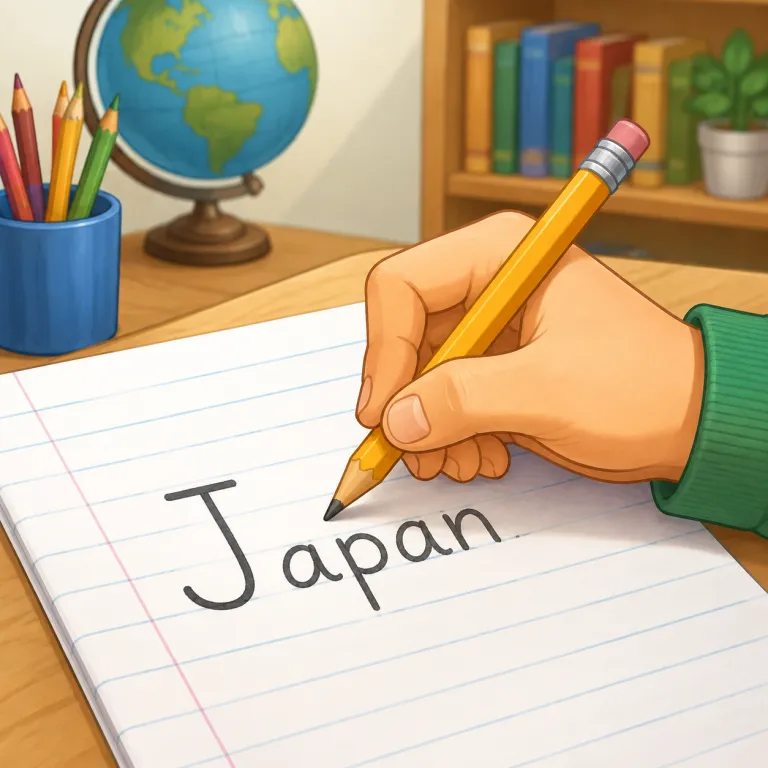
文字を小文字ではなく大文字で書くことを表します。文の初めの文字や人名、国名などの最初の文字を大文字にする場合によく使います。
To capitalise means to write a letter as a capital letter. It is often used for the first letter of a sentence, a name, or a place name.
覚え方のコツ Memory Tip
capitalise は capital letter「大文字」の capital に、動詞を作る -ise が付いた形と捉えると覚えやすい語です。文頭の一字や Japan、人名などの固有名詞の最初を、小文字から大文字へ変える操作を思い浮かべましょう。capitalise the first letter of A「Aの最初の文字を大文字にする」が基本形です。これは主にイギリス式のつづりで、アメリカ式 capitalize と意味は同じ。単語全体を大文字で書くとは限らない点も押さえると正確です。
Think of changing a small letter into a capital letter. Capitalise means to make it a capital letter.
例文
Please capitalise the first letter of your name.
あなたの名前の最初の文字を大文字にしてください。
You should capitalise the first letter of the word at the beginning of a sentence.
文の始めにある単語の最初の文字は大文字にするべきです。
Do not forget to capitalise 'Japan' in your report.
レポートでは「Japan」の語頭を大文字にするのを忘れないでください。
活用する
(意味 2)
解説 Definition
持っているもの、特に利点や機会を活用する。自分の利益のために何かを使う行為。
To capitalise on something means to use a situation, chance, or resource in a smart way to gain an advantage. It is common in business, politics, and everyday discussions of opportunity. The British spelling is capitalise; the American spelling is capitalize.
覚え方のコツ Memory Tip
capitalise は、まず知っている capital を足場にすると覚えやすいです。capital には「資本・元手・強み」の感覚があるので、capitalise は「手持ちの強みを資本のように使って利益につなげる」と捉えると、単なる use より戦略的な活用だと分かります。よく見る形は capitalise on an opportunity / capitalise on experience。chance をただ受けるのでなく、逃さず自分の得に変える場面で使う語です。capitalize の綴り違いにも注意してください。
Remember the pattern `capitalise on`. If you think of `capital` as something valuable, the word suggests turning a chance, strength, or reputation into an advantage. It is often used in business or news English, and it is not always negative like `exploit` can be.
例文
She capitalised on her experience to get a promotion.
彼女は経験を生かして昇進しました。
The company capitalised on the market opportunity.
その企業は市場の好機を生かしました。
He capitalised on his fame to start a business.
彼は知名度を生かして事業を始めました。
capitalise の類義語・関連語
capitalise の語源・成り立ち Etymology
capitalise は capital からできた語です。capital には「大文字の」という意味があり、そこから「大文字にする」という意味で使われるようになりました。
Capitalise comes from capital. Capital can mean a capital letter, so capitalise came to mean to write something with a capital letter.
同じレベルの語彙をもっと
外部辞書で調べる
この英単語をクイズで覚えよう