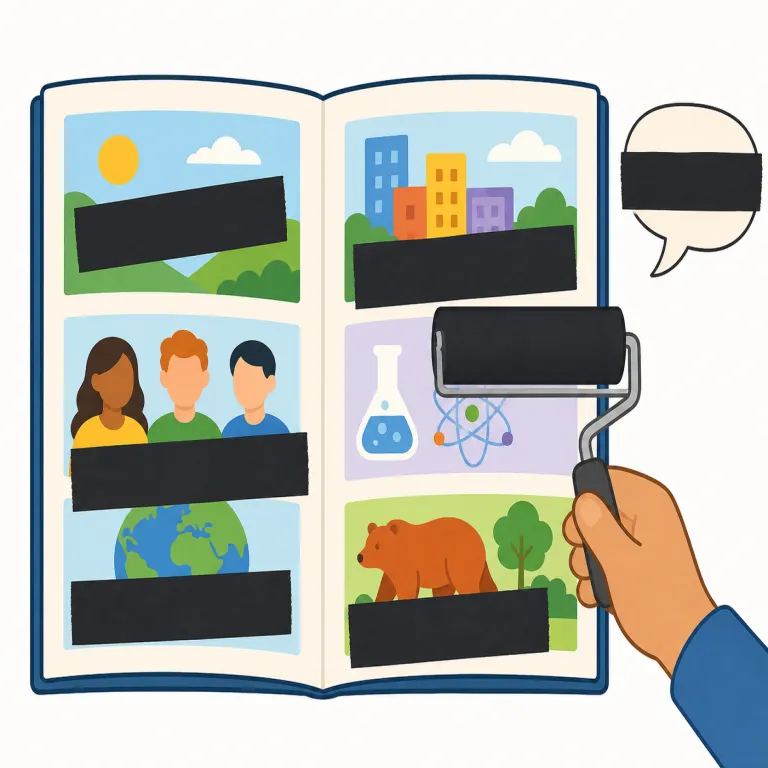
censorship
censorship はTOEFL 100・IELTS 7.5レベルの英単語で、「検閲」という意味があります。発音記号は /ˈsɛnsərʃɪp/ です。
検閲
解説 Definition
検閲(けんえつ)とは、政府や権威ある機関が、公的な内容や個人の発信などを検査して、望ましくない情報を削除または制限する行為です。メディアや出版物、通信などの表現手段が対象となり、思想や表現の自由への影響が出ることがあります。安全や秩序の維持を名目に行われますが、批判や不満の封じ込めにつながる場合もあります。
Censorship is the control or removal of information, books, films, speech, or other content that someone in power thinks is harmful or unacceptable. It is often discussed in politics, media, art, and the internet. The word usually has a negative meaning because it limits freedom of expression.
覚え方のコツ Memory Tip
censor(検閲する/検閲官)を知っていれば、-ship が付いて「検閲という制度・行為」だと覚えやすい。government censorship, press censorship, internet censorship のように、権力や媒体と結びついて出やすい語。「内容を公開前にチェックして止める」場面を思い浮かべると定着する。つづりが似た censure は「非難」、census は「国勢調査」で別語なので並べて区別すると混乱しにくい。
Start with `censor`, the person or action that checks content before people can see it. The ending `-ship` often turns something into a system or practice, so `censorship` is the system or act of censoring. Keep it separate from `censure` and `census`, which look similar but are different words.
例文
The government imposed strict censorship on the media.
その政府はメディアに厳しい検閲を課した。
During wartime, censorship of letters was common.
戦時中、手紙の検閲はよく行われていた。
Artists often protested against censorship of their work.
芸術家たちはしばしば自分たちの作品への検閲に抗議した。
censorship の類義語・関連語
censorship の語源・成り立ち Etymology
censorshipはcensor+-shipから成り、censorはラテン語censere「評価する・判断する」に由来します。censusやcensureも同根で、もとは数えて価値づける発想が、内容を審査して制限する検閲の意味へ発展した語です。
Censorship is built from censor and the suffix -ship. Censor comes from Latin censere, meaning "to assess" or "judge," the same root seen in census and censure. The idea moved from counting and judging value to officially examining material and deciding what should be restricted.
同じレベルの語彙をもっと
TOEFL 100の一覧へ →外部辞書で調べる
この英単語をクイズで覚えよう