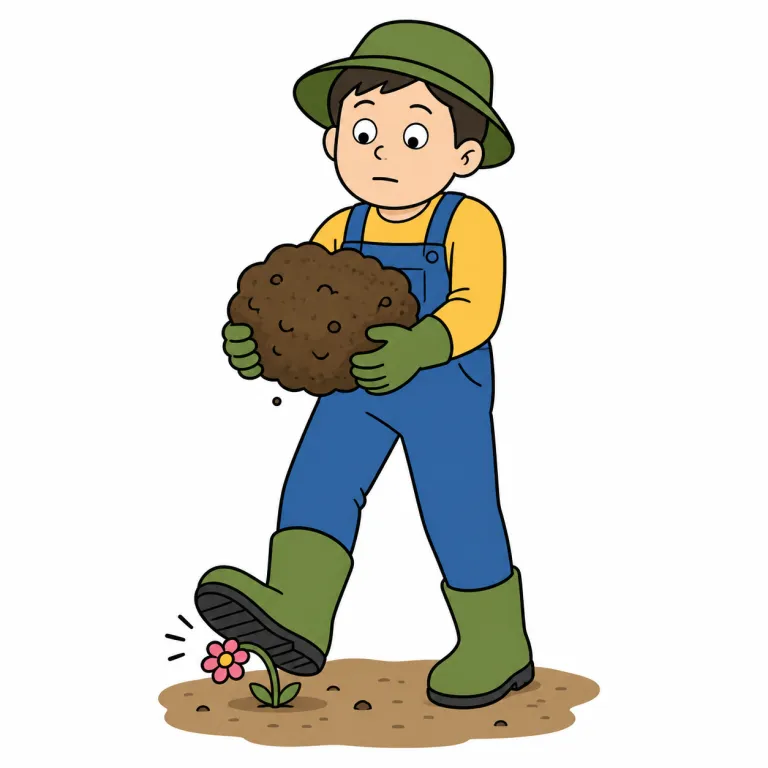
土塊(比喩的に鈍感・不器用な人)
解説 Definition
土の塊。また、口語で鈍感で不器用な人を指すこともある。
A clod is a lump of earth or clay. It can also mean a stupid, awkward, or insensitive person, but this use is informal and insulting.
覚え方のコツ Memory Tip
まず「ごろっとした土の塊」を頭に置くと覚えやすいです。英語では clod of earth のように使え、その重くて鈍いイメージが、口語で「鈍感で不器用な人」にそのまま移ります。clumsy や dull に近いですが、clod はもっと“気が利かず、野暮ったい人”を雑に呼ぶ感じ。clot, clump など「塊」を表す近い形の語と並べて覚えると、物の塊→鈍い人、という連想が定着します。
First remember the physical image: a heavy lump of earth, as in `clod of earth`. From that, it is easy to extend to a person who seems slow, awkward, or not very sharp. You can connect it with other "lump" words like `clump`.
例文
The farmer broke apart the clods of earth with a hoe before planting the seeds.
農夫は種を蒔く前にくわで土の塊を砕いた。
Don't be such a clod — you just stepped on my freshly planted flowers!
この鈍くさい人! 植えたばかりの花を踏んだじゃない!
Heavy rain turned the dry clods in the field into thick, sticky mud.
大雨で、畑の乾いた土の塊はどろどろと粘り気のある泥になった。
clod の類義語・関連語
類義語
紛らわしい語
clod の語源・成り立ち Etymology
clod は古英語 clod「土のかたまり」にさかのぼるゲルマン系の語。重くごろっとした土塊のイメージから、比喩的に「鈍い人・不器用な人」を指すようになった。関連語は clot, clodhopper。
Clod comes from Old English clod, meaning a lump of earth or clay. The heavy, rough image of a dirt lump later led to a figurative use for a dull or awkward person. It is related in sense to clot and appears in the later compound clodhopper.
同じレベルの語彙をもっと
外部辞書で調べる
この英単語をクイズで覚えよう