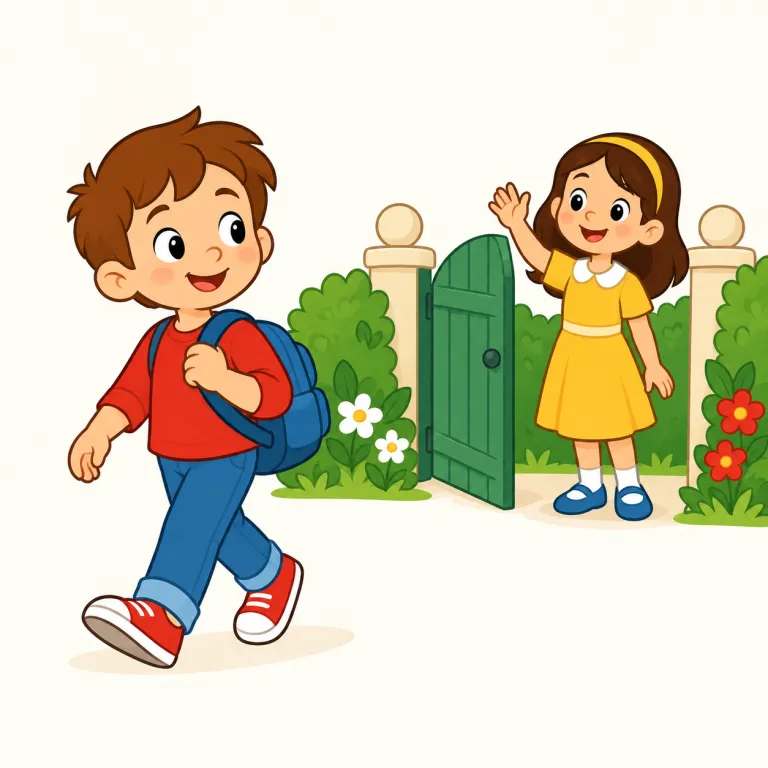
離れる、印象を得る
解説 Definition
ある会話や経験を経て『その結果こういう印象を得る』または『その場から離れる』という動作を表す。何かから離れて別の場所に移る意味でも、思い出や学びを持ち帰る意味でも使える便利なフレーズ。
To come away means to leave a situation with a particular feeling, opinion, or impression. It is often used after a meeting, event, or experience to describe what you thought in the end.
覚え方のコツ Memory Tip
まず直訳の「come=来る」「away=離れて」を合わせて、「その場から離れて戻ってくる」という芯を作ると覚えやすいです。そこから、会話・映画・経験の場を離れたあとに、心に残った印象や学びを持ち帰る意味になります。よく come away from the meeting with a new idea や come away impressed のように使われます。単に去る leave や walk away と違い、come away は「その経験の結果、どんな印象を受けたか」に焦点が向く表現です。
Remember the pattern: `come away from ... with ...` or `come away feeling ...`. The idea is that after an experience, you leave with an impression, feeling, or lesson. It is useful for meetings, movies, trips, and talks.
例文
I came away from the lecture feeling inspired.
講義を終えて私はやる気をもらった。
The sticker came away from the wall after the rain.
雨の後、ステッカーは壁からはがれてしまった。
You may come away from the discussion with a clearer plan.
その話し合いを終えると、より明確な計画が得られるかもしれない。
come away の類義語・関連語
紛らわしい語
come away の語源・成り立ち Etymology
comeは古英語cuman(来る)、awayは「離れて」を意味する副詞。元は「その場を離れて来る」という物理的移動の意味で、そこから体験の場を離れたあとに何かを「持ち帰る」→「印象を受ける」へと比喩的に拡張された。関連語:come about、away(古英語onweg)。
"Come" comes from Old English "cuman," meaning to move or arrive, while "away" comes from Old English "onweg," meaning off or from a place. The phrase first suggested physically leaving a place and going from it. Later, it grew into a figurative idea of coming away from an experience with a feeling, impression, or result.
同じレベルの語彙をもっと
外部辞書で調べる
この英熟語をクイズで覚えよう