意味一覧 (3件)
漫画
解説 Definition
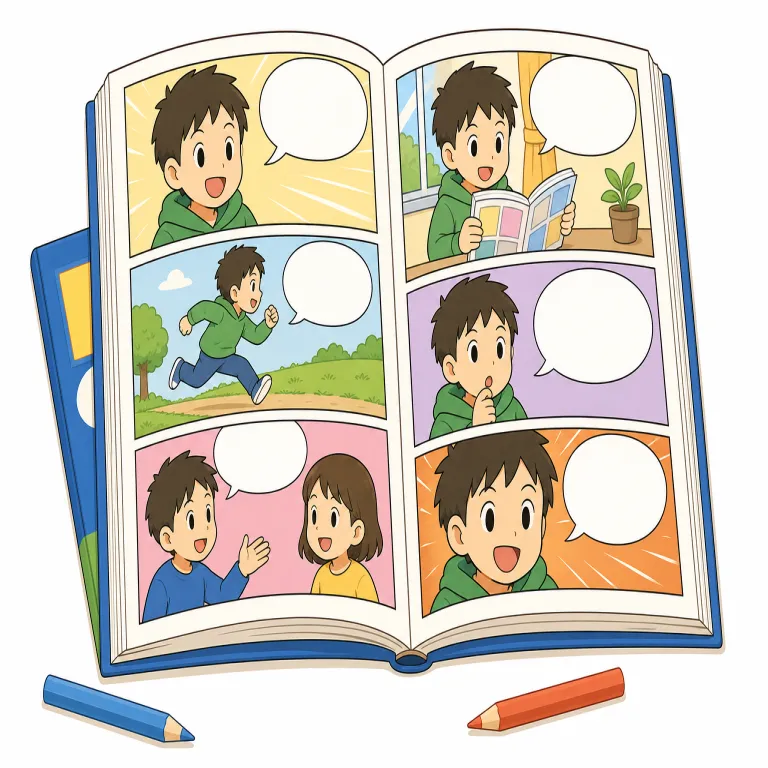
comic が名詞のときは、絵と短いせりふで物語を進める「漫画」や「コミック本」を指します。子ども向けから大人向けまで広く使われ、読み物や娯楽の文脈でよく現れます。
A story told through a sequence of pictures, usually with short pieces of dialogue, or a book containing such stories. This type of reading material can be intended for children or adults.
覚え方のコツ Memory Tip
comic は comedy とつながる語ですが、この行では人ではなく「漫画・コミック本」として覚えます。a comic を買う、read a comic のように、絵とせりふで物語を読む本を思い浮かべると定着しやすいです。a TV comic なら「芸人」ですが、bookstore, read, issue, strip など読み物の文脈なら「漫画」。comic book の book が省略されて a comic になる、と切り分けるのがコツです。
Picture buying a book filled with drawings and speech bubbles, then remember read a comic. Think of a comic as a shorter way of saying a comic book.
例文
I read a comic.
私は漫画を読みます。
This comic tells a funny story with pictures.
この漫画は絵で面白い物語を描いています。
My sister reads comics after school.
私の姉は放課後に漫画を読みます。
コメディアン、喜劇俳優
(意味 2)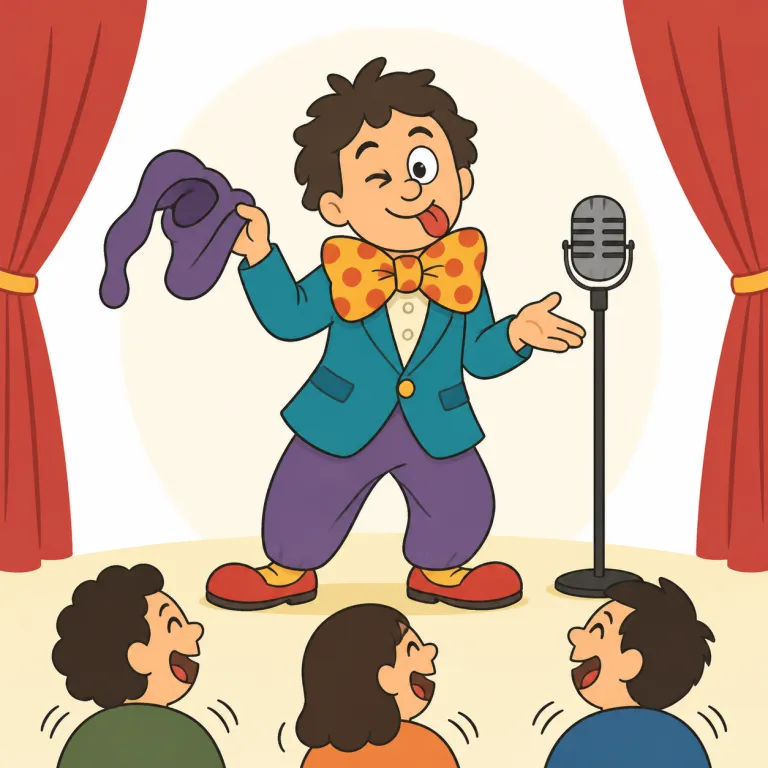
解説 Definition
人を笑わせることを仕事にする芸人や俳優を指す名詞。舞台・テレビ・映画などで、冗談や風刺、滑稽な演技を通して観客を楽しませる人をいう。文脈によっては、単独で話術を披露する芸人だけでなく、喜劇に出演する俳優も含む。
A comic is a person whose job is to make people laugh, especially in shows or performances. This word is similar to comedian, but comic is a little more informal. It is used for entertainers in stand-up, television, and other live performances.
覚え方のコツ Memory Tip
comic は comedy を知っていれば覚えやすい。comedy が「喜劇」というジャンル名なら、comic はその場で観客を笑わせる人、とつなげると定着しやすい。形容詞では「おかしい・滑稽な」、名詞では「喜劇俳優・芸人」なので品詞を切り分けて覚えるのがコツ。comedian は職業名としてより現代的で直球、comic は舞台や芝居の文脈でも見かける。comic actor, a TV comic などの形でまとめて覚えると使い分けしやすく、comic book の comic とは文脈で区別できる。
Link `comic` to `comedy`. If `comedy` is the funny type of show, a `comic` is the person who makes people laugh. Also notice the word can be an adjective too, so it helps to remember example pairs like `a TV comic` and `comic actor`.
例文
The comic tells funny jokes.
そのコメディアンは面白いジョークを言います。
The young comic makes us laugh.
その若いコメディアンは私たちを笑わせます。
The comic won a prize for his jokes.
そのコメディアンはジョークで賞を取りました。
滑稽な
(意味 3)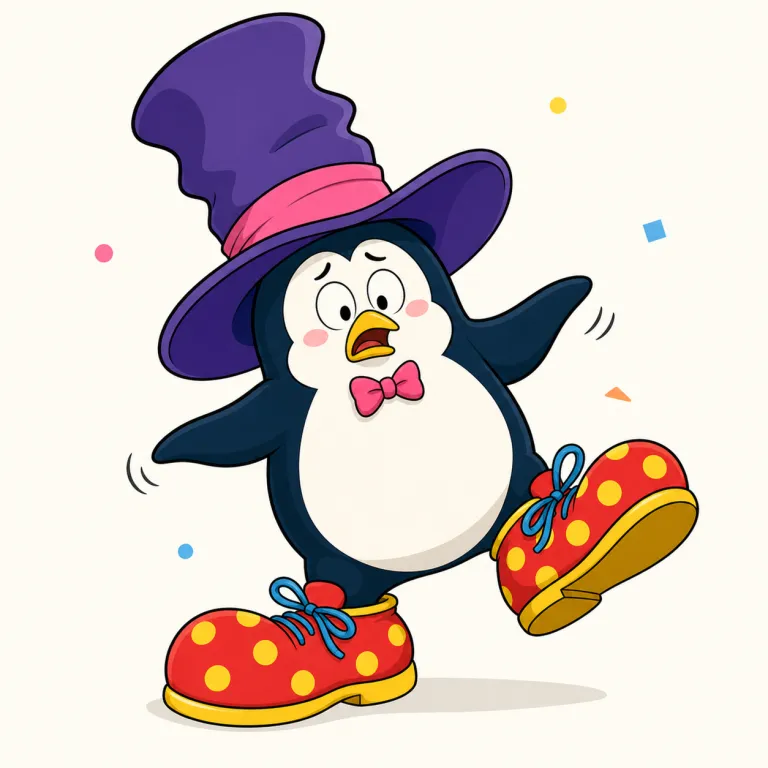
解説 Definition
comic が形容詞のときは、人や場面、しぐさなどが「おかしい」「滑稽な」という意味になります。深刻ではなく、見ていて思わず笑ってしまうような軽い可笑しさを表すときに使われます。
Funny or amusing in a way that makes people laugh. It can describe a person's expression, movement, or a situation with a light, humorous quality.
例文
His comic expression made everyone laugh.
彼の滑稽な表情にみんなが笑った。
There was something comic about the way he walked.
彼の歩き方にはどこか滑稽なところがあった。
The play mixes tragic and comic scenes.
その劇は悲劇的な場面と滑稽な場面を織り交ぜている。
comic の類義語・関連語
comic の語源・成り立ち Etymology
ラテン語 comicus、ギリシャ語 kōmikos(喜劇の)に由来。kōmos(祝宴・陽気な行列)+ -ikos(〜に関する)の構成です。もとは「喜劇的な」ですが、新聞のこっけいな絵物語 comic strip や comic book から、名詞で「漫画・コミック本」を指すようになった。
The word derives from Latin comicus and Greek kōmikos, meaning 'of comedy.' Its use as a noun for illustrated stories developed from expressions such as comic strip and comic book.
同じレベルの語彙をもっと
外部辞書で調べる
この英単語をクイズで覚えよう