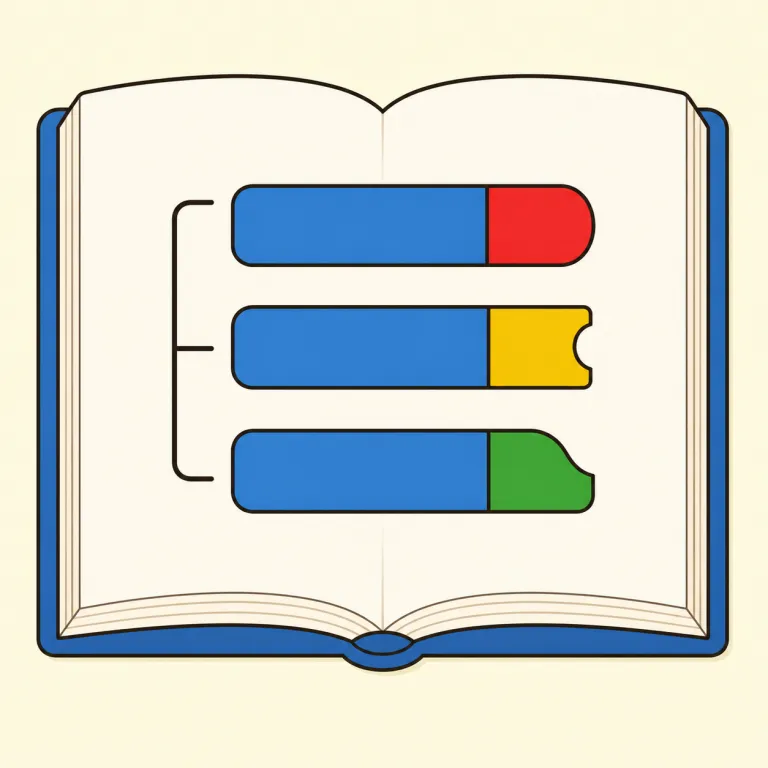
共役
noun 名詞化学では、隣接する単結合と多重結合などを通じて電子が複数の原子に広がる「共役」を指します。分子の安定性、色、反応性を説明する際に、conjugated system(共役系)などの形で用いられます。
活用とは、文法において動詞が時制、人称、ムードなどに応じて変わる形態的な変化を指します。生物学では、細菌が直接接触して遺伝物質を交換する過程も意味します。
Conjugation is the way a verb changes form to show things like tense, person, or number. It is a common grammar term in language learning, such as when studying forms like go, goes, and went. In some contexts, it can also refer more broadly to a pattern of verb forms.
まず動詞形の conjugate a verb を先に覚えると、conjugation はその名詞形だと取りやすいです。文法では verb conjugation が定番で、「動詞の形が I/you/he や tense に応じて並んで変わること」とまとめると記憶に残ります。名詞・形容詞の格変化は declension なので混同注意。biology では bacterial conjugation で、細菌どうしが直接つながって遺伝情報をやり取りする場面を思い浮かべると区別しやすいです。
If you know `conjugate a verb`, then `conjugation` is the noun for that process. It is strongly linked with grammar, especially `verb conjugation`. Do not mix it up with `declension`, which is used for noun or adjective form changes.
The conjugation of verbs is essential for learning grammar.
動詞の活用は文法を学ぶために必要不可欠です。
In biology, conjugation allows bacteria to exchange genetic material.
生物学では、接合によって細菌は遺伝物質を交換できます。
We need to memorize the conjugation of irregular verbs to speak French fluently.
フランス語を流暢に話すために、不規則動詞の活用を暗記する必要があります。
文脈によって、次の意味でも使われます。
化学では、隣接する単結合と多重結合などを通じて電子が複数の原子に広がる「共役」を指します。分子の安定性、色、反応性を説明する際に、conjugated system(共役系)などの形で用いられます。
conjugationはラテン語coniugare『くびきで共につなぐ』から来ており、con-『共に』+jug/iug『くびき・結合』+-ationに分けられます。動詞に語尾を結び付けて形を変えるので『活用』となり、conjugalやsubjugateにも同じjugが見えます。
Conjugation comes from Latin coniugare, meaning "to join together under a yoke." It combines con-, meaning "together," with jug or iug, meaning "yoke" or "joining." In grammar, the idea became attaching different endings to a verb in connected patterns; related English words include conjugal and subjugate.
この英単語をクイズで覚えよう