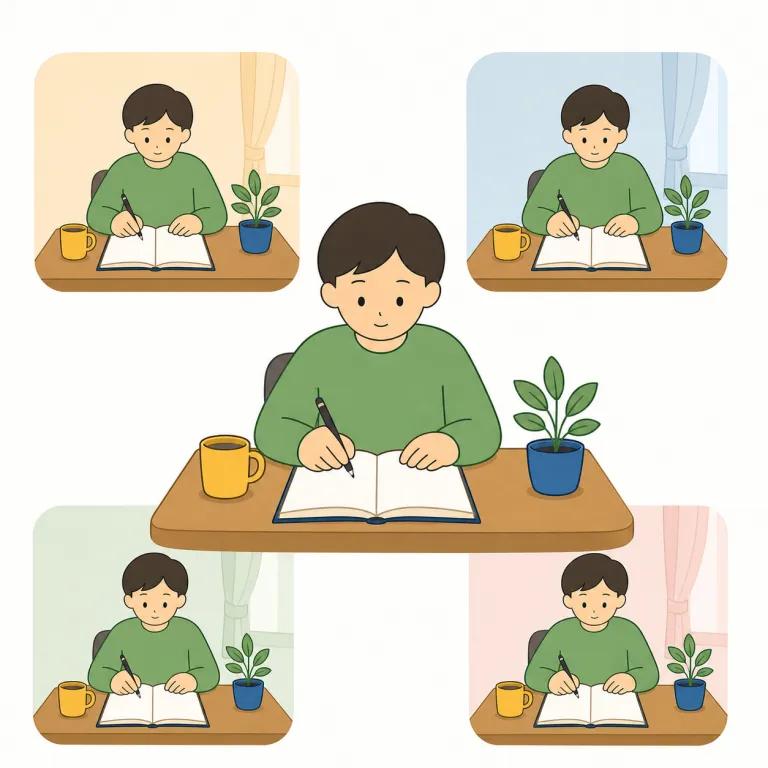
day in, day out
day in, day out は英検1級レベルの英単語で、「毎日毎日、毎日変わらず」という意味があります。発音記号は /ˌdeɪ ɪn ˌdeɪ ˈaʊt/ です。
意味一覧 (3件)
毎日毎日
解説 Definition
毎日毎日、変わることなく同じことを繰り返している状態を表す副詞的表現。休むことなく、日々継続して何かをしている様子を強調するときに使う。努力や習慣、単調な日課など、さまざまな文脈で用いられる。
"Day in, day out" means every day, continuously, and often in the same way. It emphasizes repetition over a long period of time. The phrase is often used when talking about routine, habit, or something tiring.
覚え方のコツ Memory Tip
day を2回くり返し、その間に in / out が入る形全体を「同じ日々が出たり入ったり延々続く」として覚えると残りやすいです。語順を細かく訳すより、反復を強調する決まり文句として丸ごと記憶するとよい表現。似た型の year in, year out も一緒に覚えると定着します。every day が単なる『毎日』なのに対し、day in, day out は work, study, complain などと結びついて『来る日も来る日も、変わりなく続けて』という長さ・単調さ・しつこさまで感じさせます。
The repeated word "day" is the main memory hook. "In" and "out" make it sound like days keep coming and going in the same pattern. Remember it as a set phrase for something repeated again and again, often with a sense of routine or monotony.
例文
She practices the piano day in, day out to prepare for the recital.
彼女はリサイタルの準備のために毎日欠かさずピアノを練習している。
Day in, day out, he commuted two hours each way.
彼は毎日、片道2時間かけて通勤していた。
The nurses checked on the patients day in, day out.
看護師たちは毎日毎日、患者たちを見回った。
毎日変わらず
(意味 2)解説 Definition
『day in, day out』はまったく同じような状況が毎日続くことを強調する表現で、飽きるほど繰り返される日常や仕事を話すときによく使われます。退屈や努力の継続を伝えるニュアンスがあります。
Every day for a long time, in the same way, without much change. It is used when describing routine, repeated actions, or a life that feels regular and continuous. The phrase often suggests repetition over time.
覚え方のコツ Memory Tip
まず day が2回出るので「毎日」の感覚を強く持つと覚えやすい表現です。さらに in と out が入れ替わり続ける形で、日が来ては過ぎ、また来ては過ぎる反復が見えます。似た day after day も「毎日」ですが、day in, day out はもっと単調に同じことが続く感じや、うんざりするほどの継続を帯びやすいのがポイント。work day in, day out のように、仕事や努力が延々続く場面と結びつけて覚えると定着します。
The word `day` appears twice, so the repetition itself helps you feel the endless routine. `In` and `out` suggest days coming and going again and again. It is close to `day after day`, but `day in, day out` often sounds more repetitive and tiring.
例文
He studies day in, day out to pass the certification exam.
資格試験に合格するため、彼は毎日毎日勉強している。
The street is busy day in, day out with tourists.
その通りは観光客で明けても暮れても賑わっている。
毎日毎日
(意味 3)解説 Definition
「day in, day out」は、同じことを毎日繰り返す様子を表す慣用句です。変化がなく根気のいる作業や生活を強調したいときに使われ、疲労や習慣の意味合いも含みます。話し言葉でリズミカルに響くため、日常的な文脈でよく使われます。
Day in, day out means every day for a long time, often in the same way. It is used when something happens repeatedly as part of a routine. The phrase sometimes suggests that the situation feels tiring or never changes.
覚え方のコツ Memory Tip
「day」が2回出て、その間に in / out という出入りの動きが挟まる形をまず固定すると覚えやすいです。1日が始まり、終わり、また同じ1日が来る感じが、そのまま単調な反復のイメージになります。day after day も「来る日も来る日も」ですが、day in, day out はもっと“毎日ずっと同じで変化がない”響き。work day in, day out のように、根気のいる routine や単調な仕事場面と結びつけると残りやすいです。
Notice the repeated pattern: `day ... day` with `in` and `out` moving back and forth like a machine. That shape helps you remember the feeling of the same routine again and again. It is stronger than just `every day` because it suggests boredom or no change.
例文
He practices the piano day in, day out to prepare for the recital.
彼はリサイタルに備えて毎日毎日ピアノを練習している。
Day in, day out, the nurses check the patients' vital signs.
看護師たちは毎日毎日、患者のバイタルサインを確認している。
day in, day out の類義語・関連語
day in, day out の語源・成り立ち Etymology
dayは古英語dæg(日)からゲルマン祖語*dagaz(燃える時間)に遡る。in/outは「入って・出て」で一日の始まりと終わりを表し、反復を強調する修辞構造。同様の構造にyear in, year outがある。日が巡る単調な繰り返しを体感的に表現した慣用句。
"Day" comes from Old English "dæg," from an older Germanic word for the daily period of light and time. In "day in, day out," the pair "in" and "out" suggests the whole cycle of a day, from beginning to end. The phrase developed as a rhythmic way to stress constant repetition over a long time. A similar expression is "year in, year out."
同じレベルの英単語をもっと
英検1級の一覧へ →外部辞書で調べる
この単語を英単語クイズで覚えよう