動員解除
解説 Definition
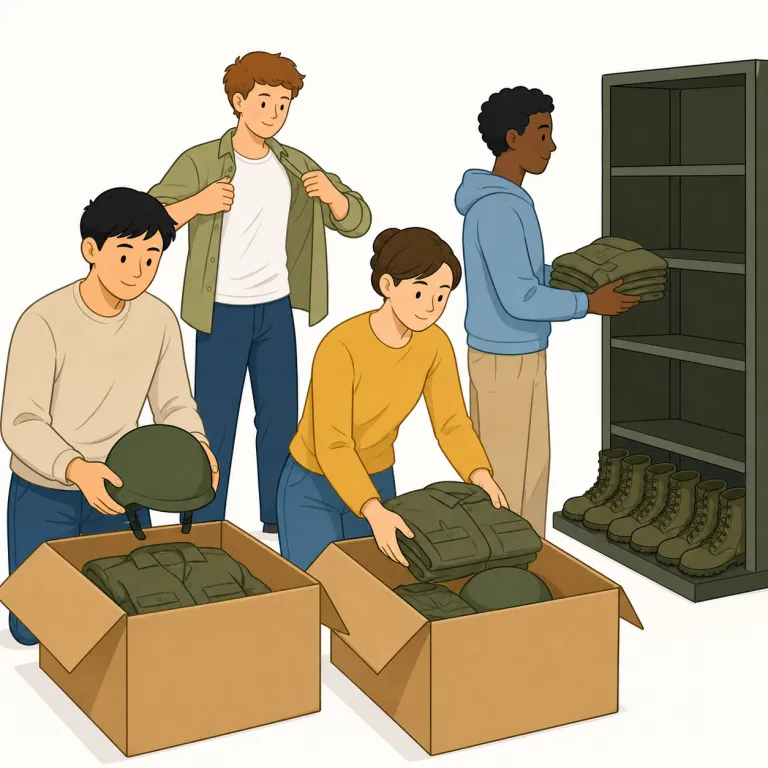
戦時の軍事体制から平時体制へ移行し、兵士を軍務から解放すること。
Demobilization is the process of ending military service or reducing armed forces after a war or emergency. It can also refer more generally to stopping a large organized mobilization. The word is most often used in military and historical contexts.
覚え方のコツ Memory Tip
まず中心は mobilization「動員」。mobile / mobility を知っていれば mobi- は「動けるようにする・動員する」感覚でつながります。そこに de- が付くと「外す・元に戻す」方向になるので、demobilization は「動員状態をほどくこと」と捉えると覚えやすいです。名詞語尾 -ation で「行為・過程」ではなく「動員解除という措置」全体を指す語。軍事・戦後文脈でよく出て、demobilize troops, postwar demobilization の形で見ると定着します。mobilization と逆向きの対になる語としてセットで覚えるのが有効です。
See the base word `mobilization` first. If `mobilize` means bring into action, `de-` gives the idea of undoing or reversing that state. Learn it as the opposite of `mobilization`, especially in military phrases like `postwar demobilization`.
例文
The demobilization of troops after World War II was one of the largest in military history.
第二次世界大戦後の軍隊の動員解除は、軍事史上最大規模のものの一つであった。
Rapid demobilization left many veterans struggling to find employment in the civilian economy.
急速な動員解除により、多くの退役軍人が民間で職を見つけるのに苦労した。
The peace agreement included provisions for the demobilization of rebel fighters within six months.
和平合意には、6か月以内の反政府戦闘員の動員解除に関する条項が含まれていた。
demobilization の類義語・関連語
類義語
demobilization の語源・成り立ち Etymology
demobilization は de-「離して」+ mobilize「動員する」+ -ation で、語幹はラテン語 mobilis「動かせる」にさかのぼります。mobile や mobility と同根で、「動ける状態にした兵を任務から外す」と考えると動員解除の意味が見えます。
Demobilization comes from de- "away from" and mobilization, from Latin mobilis, meaning "movable." It is related to English words like mobile and mobility. The sense developed from making forces movable and ready for service to releasing them from that active state.
同じレベルの語彙をもっと
外部辞書で調べる
この英単語をクイズで覚えよう