みずみずしい、つやのある
adjective 形容詞肌や顔色などが十分な潤いを含み、柔らかくつややかに見える様子を表します。美容や化粧の文脈で dewy skin、dewy complexion などと用い、実際に露でぬれているのではなく、健康的な光沢を指します。
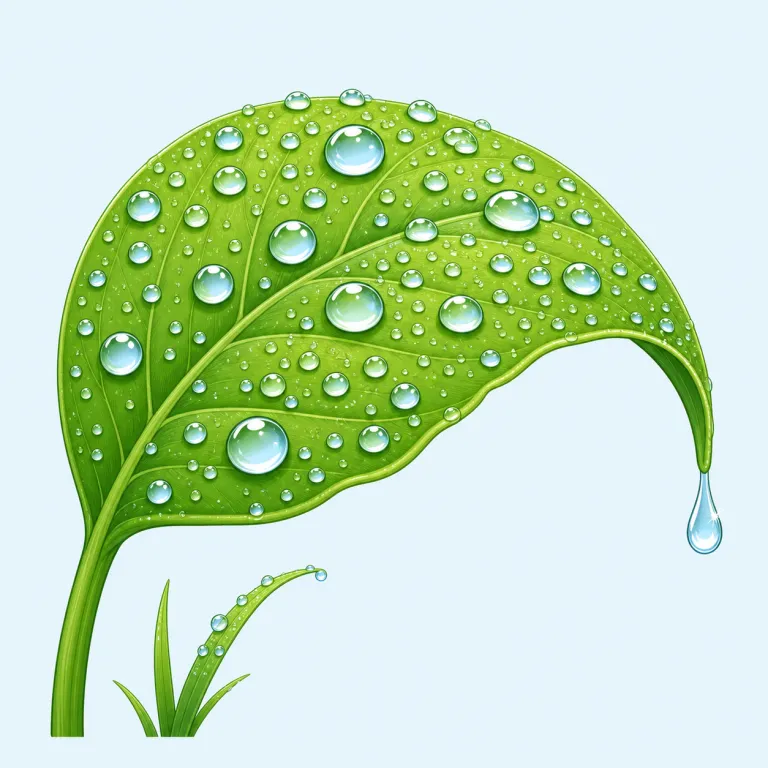
朝露などの細かな水滴で、草花や地面の表面がぬれている様子を表す。
Describes grass, flowers, soil, or another surface covered with tiny drops of dew. It is especially associated with moisture found outdoors in the early morning.
dewy は dew(露)に形容詞を作る -y が付いた語で、「露にぬれた」という意味。dewy grass(露にぬれた草)、dewy morning(露の降りた朝)が典型的。早朝、草の葉に小さな水滴が光っている景色を dew と結び付けると覚えやすい。
Dewy combines dew with the adjective ending -y. Picture small drops of water shining on dewy grass or leaves in the morning light.
We walked across the dewy grass.
私たちは露にぬれた草の上を歩きました。
The dewy leaves shone in the morning sun.
露にぬれた葉が朝日に輝いていました。
Her shoes became wet in the dewy field.
露にぬれた野原で、彼女の靴はぬれました。
文脈によって、次の意味でも使われます。
肌や顔色などが十分な潤いを含み、柔らかくつややかに見える様子を表します。美容や化粧の文脈で dewy skin、dewy complexion などと用い、実際に露でぬれているのではなく、健康的な光沢を指します。
古英語 dēawig(露のかかった)から。dēaw(露)+ 接尾辞 -ig(〜の性質を持つ)の構成で、ゲルマン祖語 *dawwaz に遡る。ドイツ語 Tau(露)と同根。みずみずしさや朝の清涼感を連想させ、比喩的に「清新な」意味でも使われる。関連語は dew, dewdrop。
It comes from Old English dēawig, formed from dēaw, meaning “dew,” and a suffix meaning “having the quality of.”
この英単語をクイズで覚えよう