dielectric
dielectric はTOEFL 100・IELTS 7.5レベルの英単語で、「誘電体、誘電性物質、絶縁体、誘電性の」という意味があります。発音記号は /ˌdaɪɪˈlɛktrɪk/ です。
誘電体
解説 Definition
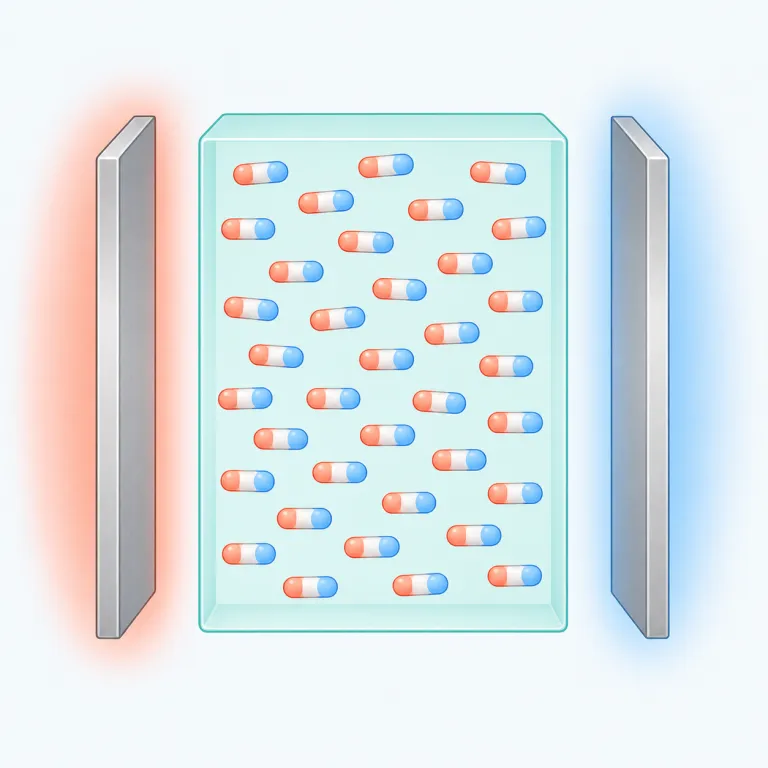
誘電体という具体的な物質・部材を指す名詞です。コンデンサの電極間のセラミックや樹脂、ケーブルの絶縁層など、電流の通路ではなく電場を受け止めて回路機能を支える材料を表します。
A dielectric is a material that does not let electricity flow through it easily. It is used in physics and engineering, especially in devices that store electric energy or need insulation. The word is technical and common in electronics.
覚え方のコツ Memory Tip
名詞では「dielectric = 電極の間に入る部品」と場面で覚えるのが有効です。金属板だけではコンデンサにならず、その間にある誘電体が電場を保ち、容量や耐圧を左右します。insulator が広く「漏電を防ぐもの」を指すのに対し、dielectric は分極して蓄電・信号伝送・絶縁性能に関わる材料名として使われます。形容詞の dielectric は、この名詞が持つ性質を他の名詞にかける用法です。
The word `electric` is clearly inside `dielectric`, so start with the idea that it is about electricity. Then remember it by contrast: a `conductor` lets electricity move through, but a `dielectric` does not. It often comes with `dielectric material`, `dielectric constant`, or `capacitor`. That contrast makes the word easier to keep in mind.
例文
Dielectric materials are used in capacitors to store electrical charge.
誘電体は、コンデンサで電荷を蓄積するために使用されます。
The insulation between conductors acts as a dielectric barrier.
導体間の絶縁は、誘電体バリアとして機能します。
Dielectric properties of materials affect their electrical performance.
材料の誘電特性は、それらの電気的性能に影響を与えます。
誘電性物質
(意味 2)解説 Definition
電気を通さない絶縁材料で、外部の電場によって分極する物質。コンデンサーなどの電子部品に広く使用され、その特性は電子機器の性能に大きく影響する。
例文
The dielectric properties of plastic make it ideal for insulators.
プラスチックの誘電特性は、絶縁体として理想的です。
Engineers selected materials with high dielectric strength.
エンジニアは高い誘電強度を持つ材料を選択しました。
Dielectric loss affects the efficiency of the capacitor.
誘電損失はコンデンサーの効率に影響します。
絶縁体
(意味 3)解説 Definition
電気を通さない絶縁性を持つ物質。外部の電場によって分極し、電気機器の絶縁に使われる。
例文
Rubber is a common dielectric material used in electrical equipment.
ゴムは電気機器で一般的に使用される絶縁体です。
Dielectric materials prevent electrical current from flowing.
絶縁体は電流の流れを防ぎます。
The dielectric breakdown voltage was measured at 50,000 volts.
絶縁体の破壊電圧は50,000ボルトで測定されました。
誘電体の
(意味 4)解説 Definition
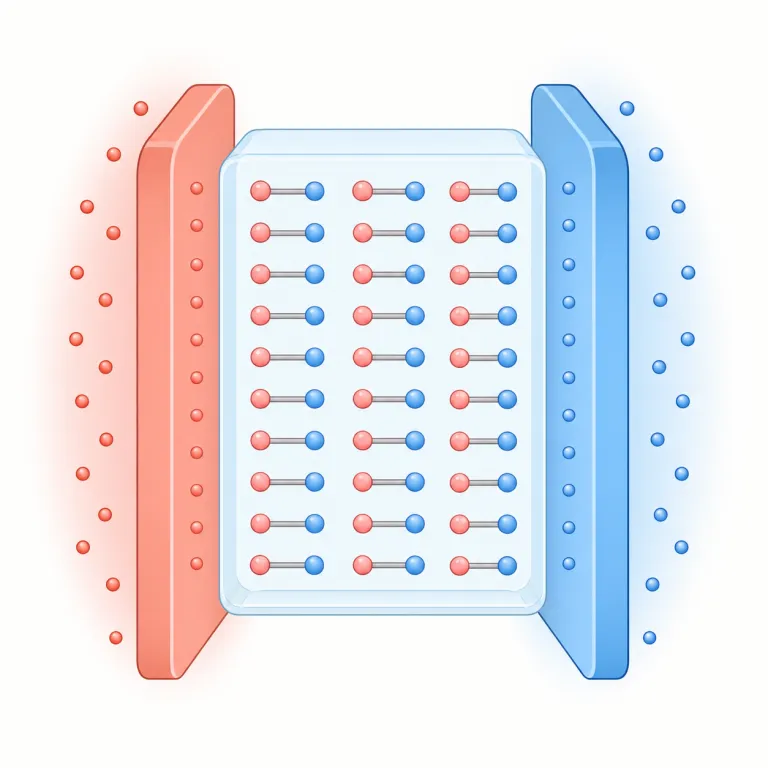
材料や薄膜が外部の電場で分極し、電気エネルギーを内部に蓄えられる性質を表す形容詞です。dielectric layer/constant のように、物質そのものより「誘電に関する特性」を修飾します。
Dielectric describes a material property: the material becomes polarized in an external electric field and can store electrical energy inside it. It is usually used to modify terms such as dielectric layer or dielectric constant, so it focuses on the dielectric behavior or characteristic rather than naming the material itself. In science and engineering, it often refers to properties related to capacitance, insulation, and electric-field response.
覚え方のコツ Memory Tip
di- を「間に置かれる」と連想し、2枚の電極の間で働く electric な性質、と覚えると形容詞用法に合います。conductive が「流す性質」を示すなら dielectric は「電場に応じて蓄える性質」を示す語です。名詞の dielectric(誘電体)から、dielectric film, dielectric strength など、分極・容量・絶縁破壊電圧といった材料評価の項目を直接修飾する使い方へ広がっています。
Think of di- as something placed between two things, like a material between two electrodes. Then connect it with electric, and remember a dielectric property as an electric property that works between the plates. While conductive means "able to let current flow," dielectric suggests "able to store energy by responding to an electric field."
例文
The capacitor uses a dielectric layer to store electrical energy between the two plates.
そのコンデンサーは、2枚の板の間に電気エネルギーを蓄えるために誘電性の層を使っている。
Researchers measured the dielectric constant of the thin film at different temperatures.
研究者たちは、その薄膜の誘電性の度合いをさまざまな温度で測定した。
A good dielectric material can respond to an electric field without allowing current to flow easily.
優れた誘電性の材料は、電流を流しにくいまま電場に応答できる。
dielectric の語源・成り立ち Etymology
dielectric はギリシャ語 dia-「通して」+ electric から成る語で、electric はさらにギリシャ語 elektron「こはく」に由来します。電気を受けて働くが導体ではない物質という発想の名で、electric や electron も同根だから、「電気に関わる媒質」と考えると腑に落ちます。
Dielectric was formed in modern scientific English from dia- "through" and electric. Electric comes from Greek elektron "amber," because amber was known for producing static electricity when rubbed. The name was chosen for a material through which electric effects act, even though it does not conduct like a metal; electron shares the same Greek root.
外部辞書で調べる
この単語を英単語クイズで覚えよう