electrolyte
electrolyte はTOEFL 100・IELTS 7.5レベルの英単語で、「電解質」という意味があります。発音記号は /ɪˈlɛktrəˌlaɪt/ です。
電解質
解説 Definition
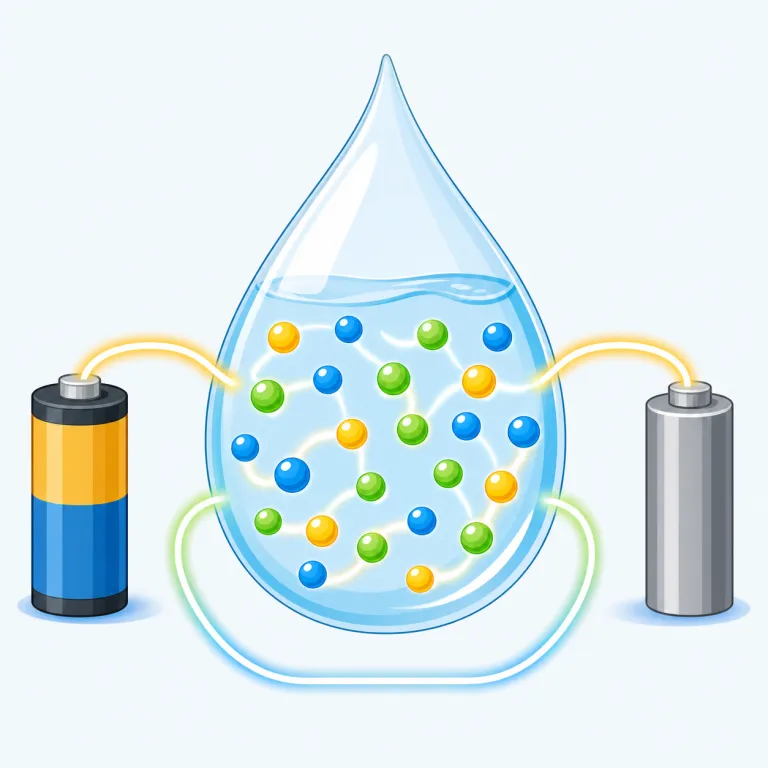
電解質とは水に溶けてイオンになり電気を通す物質です。体内ではナトリウムやカリウムなどの陽イオンと陰イオンが水とともに電解質の役割を果たし、細胞の働きや神経の信号伝達を支えています。これらのバランスが崩れると筋肉のけいれんや脱水などの不調を招く可能性があります。
An electrolyte is a substance in the body or in a drink that carries an electric charge when dissolved in liquid. Electrolytes help control hydration, muscle movement, and nerve signals, so the word is common in health, sports, and medical contexts.
覚え方のコツ Memory Tip
electro- は electricity / electronic と同じ「電気」系。まずここで“電気に関係するもの”と押さえる。electrolyte は機械や電子機器ではなく、水に溶けると電気を通せる成分。スポーツドリンクの electrolytes、medical な electrolyte balance の形で見ると定着しやすい。ナトリウムやカリウムのように、体内の水分と一緒に神経や筋肉の働きを支える“電気を運ぶ粒”を思い浮かべると、単なる chemical との違いまで残りやすい。
Start with `electro-`, the same beginning as `electric` and `electronic`, so you can link it to electricity. Then remember it is often seen in `sports drinks` and `electrolyte balance`, not in machines. Think of small particles in water that help carry electrical signals in the body.
例文
After running, she drinks water with electrolytes to replace minerals.
走った後、彼女は電解質を含む水を飲んでミネラルを補います。
The science class studied how electrolyte solutions conduct electricity.
理科の授業では、電解質溶液がどうやって電気を通すかを学びました。
Athletes rely on electrolyte tablets when they sweat a lot.
アスリートは大量に汗をかくときに電解質のタブレットに頼ります。
electrolyte の類義語・関連語
electrolyte の語源・成り立ち Etymology
electrolyte は electro-「電気」と、ギリシャ語 lytos「ほどかれた」由来の -lyte から成ります。語根 lyein は「ゆるめる・解く」で、電気で物質が“ほどけて”イオンに分かれる感覚です。関連語に electrolysis、lysis。
Electrolyte is built from electro-, meaning "electric," and -lyte, from Greek lytos, meaning "loosened" or "set free." It goes back to the Greek verb lyein, "to loosen" or "break apart." The idea is that electricity causes a substance to separate into parts, which is also seen in related words like electrolysis and lysis.
同じレベルの語彙をもっと
TOEFL 100の一覧へ →外部辞書で調べる
この英単語をクイズで覚えよう