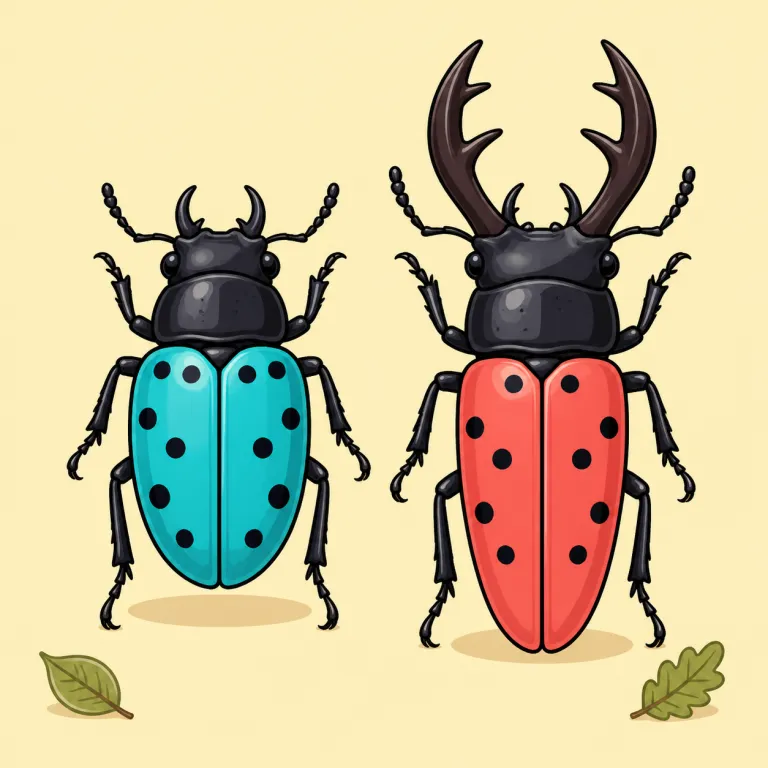
二形性の
解説 Definition
二つの異なる形態をもつ。同じ種の個体が二つの異なる型に分かれる場合などをいう。
Dimorphic means existing in two clearly different forms within the same species or system. It is often used in biology to describe differences such as size, shape, or appearance between males and females. The word can also be used more generally in science for anything with two forms.
覚え方のコツ Memory Tip
`di-` は `dioxide` などの「2」、`morph` は `transform` や `metamorphosis` に入る「形」の感覚で覚えると、dimorphic はそのまま「二つの形をもつ」。生物分野では `sexually dimorphic species` のように、同じ種でも雄と雌で見た目がはっきり違う場面が典型。`polymorphic` が「多形」と対になるので、`di` は2、`poly` は多い、とセットで整理すると残りやすい。単なる個体差ではなく、二つの型に分かれる感じを意識するとよい。
Split it into `di-` for two and `morph` for form or shape, as in `metamorphosis`. That makes `dimorphic` easy to remember as having two forms. A common biology example is males and females of one species looking clearly different. It also helps to pair it with `polymorphic`: `di` means two, while `poly` means many.
例文
The species is dimorphic, with males and females showing different body colors.
その種は二形性で、雄と雌が異なる体色を示す。
These dimorphic beetles occur in two distinct adult forms.
これらの甲虫は二形性で、成虫には二つの異なる形態があります。
The fungus is dimorphic because it can grow as either a yeast or a filamentous form.
その真菌は酵母型または糸状型で増殖できるため、二形性です。
dimorphic の類義語・関連語
dimorphic の語源・成り立ち Etymology
dimorphic はギリシャ語 di-「二」+ morphē「形」+ -ic から成り、「二つの形をもつ」が原義です。生物で雌雄や成長段階によって姿が分かれる現象を、その語源どおりに表します。metamorphosis や polymorph も同じ morph 系です。
Dimorphic comes from Greek di- "two" and morphē "form or shape," plus -ic. The root morph appears in words like polymorph and metamorphosis. The word has kept its original sense of having two forms, especially in scientific use.
同じレベルの語彙をもっと
外部辞書で調べる
この英単語をクイズで覚えよう