二型性
解説 Definition
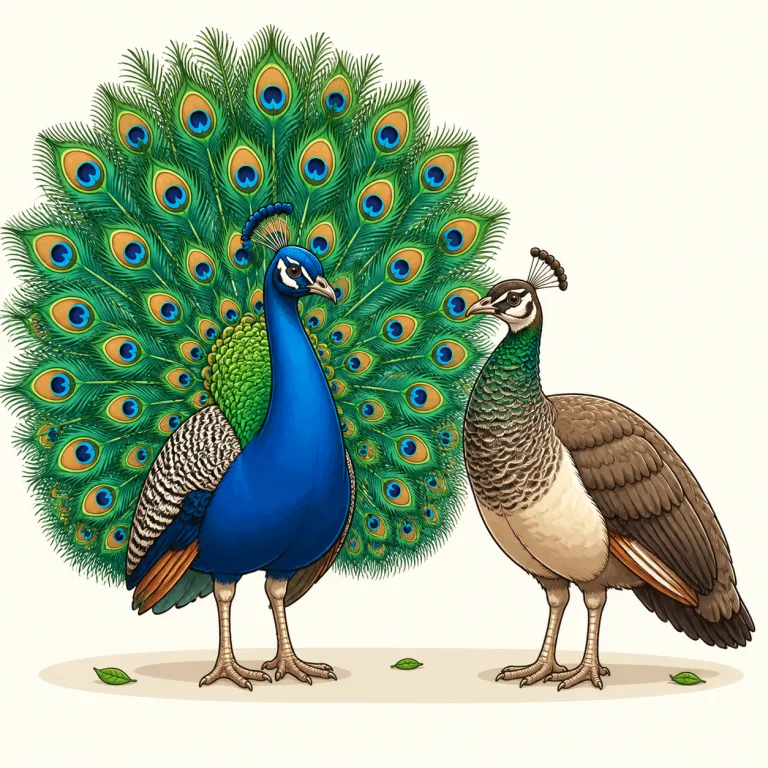
同一種の生物に二つの異なる形態が存在すること。雌雄の外見の違いなどが典型例。
Dimorphism is the condition of having two clearly different forms within the same species or group. It is often used in biology, for example when males and females look different. The word can also be used in science for two forms of the same substance or organism.
覚え方のコツ Memory Tip
di- は dioxide などの「2」、morph は transform / metamorphosis に出る「形」を思い出すと、dimorphism は「1つの種に2つの形がある」と組み立てて覚えやすいです。biology では sexual dimorphism の形でよく見かけ、雄と雌で見た目が違う場面が典型例。polymorphism は「多型」なので、di- は2、poly- は多い、という対比で混同を防げます。dichotomy のような「二分」と近い発想ですが、こちらは分類ではなく形態差に注目する語です。
Split it into `di-` and `morph`. `Di-` means two, and `morph` means form or shape, as in `metamorphosis`. Compare it with `polymorphism`: `di-` is two, `poly-` is many.
例文
Sexual dimorphism in peacocks is evident from the male's colorful tail feathers.
クジャクの性的二型性は、オスの色鮮やかな尾羽から明らかである。
The biologist measured dimorphism in that frog species by comparing the size of males and females.
生物学者はオスとメスの大きさを比較して、そのカエル種の二型性を測定した。
Dimorphism in certain beetle species makes males and females appear to be different species entirely.
特定の甲虫種における二型性は、オスとメスがまったく異なる種に見えるほどである。
dimorphism の類義語・関連語
dimorphism の語源・成り立ち Etymology
dimorphism はギリシャ語 di-「二」+ morphe「形」+ -ism/-morphism「形態」に由来します。morph や metamorphosis も同根で、文字どおり『二つの形をもつこと』です。雄雌や世代で姿が違う現象を指すのも、語の形そのままだと腑に落ちます。
"Dimorphism" comes from Greek parts: "di-" meaning "two" and "morphe" meaning "form" or "shape." It is related to English words like "morph" and "metamorphosis." The word has kept its literal sense of "having two forms," which later became a scientific term.
同じレベルの語彙をもっと
外部辞書で調べる
この英単語をクイズで覚えよう