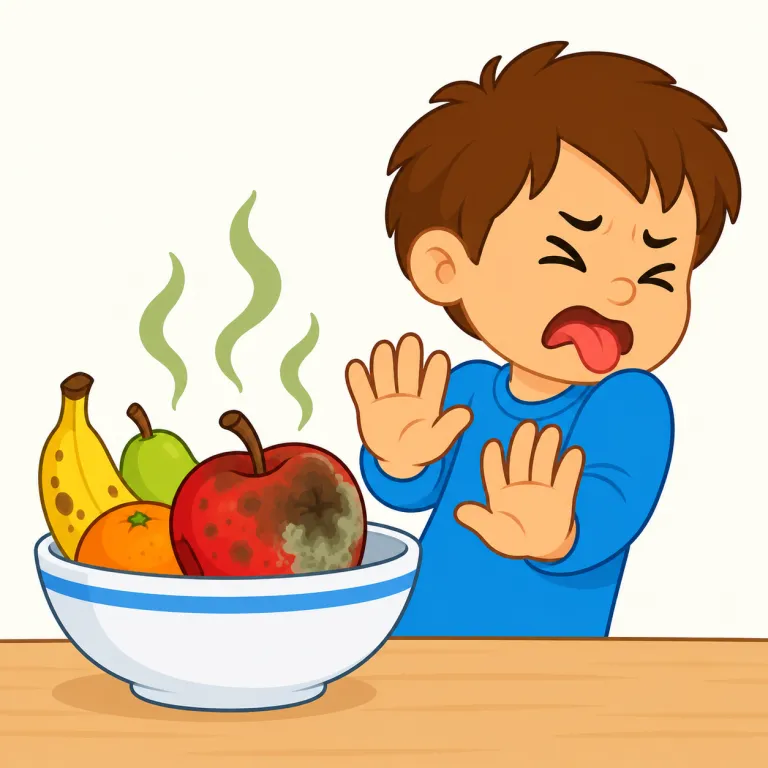
嫌悪感を抱かせる
解説 Definition
disgusts は disgust(嫌悪感を抱かせる、嫌悪感)の三人称単数現在形または名詞の複数形です。ここでは動詞として、人に強い不快感や嫌悪感を抱かせることを表します。
Causes a person or group to feel strong dislike, revulsion, or moral offense. It is the third-person singular present form of the verb disgust.
覚え方のコツ Memory Tip
disgusts は動詞 disgust「強い嫌悪感を抱かせる」の三人称単数現在形です。語末が無声音 /t/ なので追加した -s は /s/ となり、全体の末尾は /sts/ と続きます。The smell disgusts everyone のように、不快感の原因を主語、嫌悪する人を目的語に置く構文で覚え、is disgusted by と視点を対比しましょう。
Disgusts is the third-person singular present form of disgust. Use the unpleasant thing as the subject and the affected person as the object: The smell disgusts everyone. Because disgust ends in the voiceless sound /t/, the added -s is pronounced /s/, producing the consonant sequence /sts/ at the end. Connect the word historically with taste: something so unpleasant that you instinctively reject it. Contrast active The dirty kitchen disgusts the manager with passive The manager is disgusted by the kitchen; both describe the same reaction from different viewpoints.
例文
The smell disgusts everyone in the room.
そのにおいで部屋の全員が嫌悪感を抱きます。
His cruel joke disgusts many people.
彼の残酷な冗談に多くの人が嫌悪感を抱きます。
The dirty kitchen disgusts the new manager.
その汚れた台所に新しい店長は嫌悪感を抱きます。
disgusts の類義語・関連語
類義語
対義語
disgusts の語源・成り立ち Etymology
ラテン語 dis-(反対)+ gustus(味覚)が古フランス語 desgoust を経て英語に。原義は「不快な味」で、そこから精神的な嫌悪へ拡大した。関連語: gusto(熱意=味わう喜び)、gustatory(味覚の)。味覚の拒否反応が感情全般の拒絶を表すようになった語。
Disgusts is formed by adding the third-person singular ending -s to disgust. Disgust entered English through French dégoût or related forms and ultimately combines a negative or reversing prefix with Latin gustus, “taste.” It originally concerned distaste or an unpleasant flavor, then broadened to strong physical, emotional, or moral revulsion. Related words such as gustatory preserve the underlying connection with taste.
同じレベルの語彙をもっと
外部辞書で調べる
この英単語をクイズで覚えよう