
意味一覧 (2件)
方向感覚を失った
解説 Definition
自分がどこにいるのか、どちらへ向かっているのかがわからず、頭が混乱して状況を正確につかめない状態を表す語。道に迷ったときだけでなく、事故や急な変化で気が動転した場面にも使われる。
Disoriented means confused about where you are, what is happening, or how to act. It is often used when someone feels lost, mentally unclear, or unable to understand a situation. This word can describe both physical confusion and mental confusion.
覚え方のコツ Memory Tip
oriented は「方向づけられた」「状況を把握している」で、orientation が「最初に全体像をつかむ時間」だと思えばつながる。そこに dis- が付くと、その基準が外れて disoriented。「どこにいるか・何が起きているか」が急に見えなくなる感じ。lost が単なる道迷いなら、disoriented は事故の直後、暗い場所、時差ぼけ、急な環境変化で頭が混乱する場面にも使える。confused より空間感覚や状況把握の乱れが強く、feel/become disoriented でまとめて覚えると使いやすい。
Think of oriented as having a clear sense of direction or situation; orientation gives you that first overview. Add dis-, and that sense is broken. This helps you remember that disoriented is stronger than just confused, because it often includes losing your sense of where you are.
例文
The hikers felt disoriented in the dense forest.
ハイカーたちは深い森の中で方向感覚を失った。
After the accident, she was disoriented and confused.
事故のあと、彼女は混乱し、自分の状況をうまく把握できなかった。
The sudden change left him feeling disoriented.
急な変化で、彼は状況をうまく把握できず混乱した。
混乱した
(意味 2)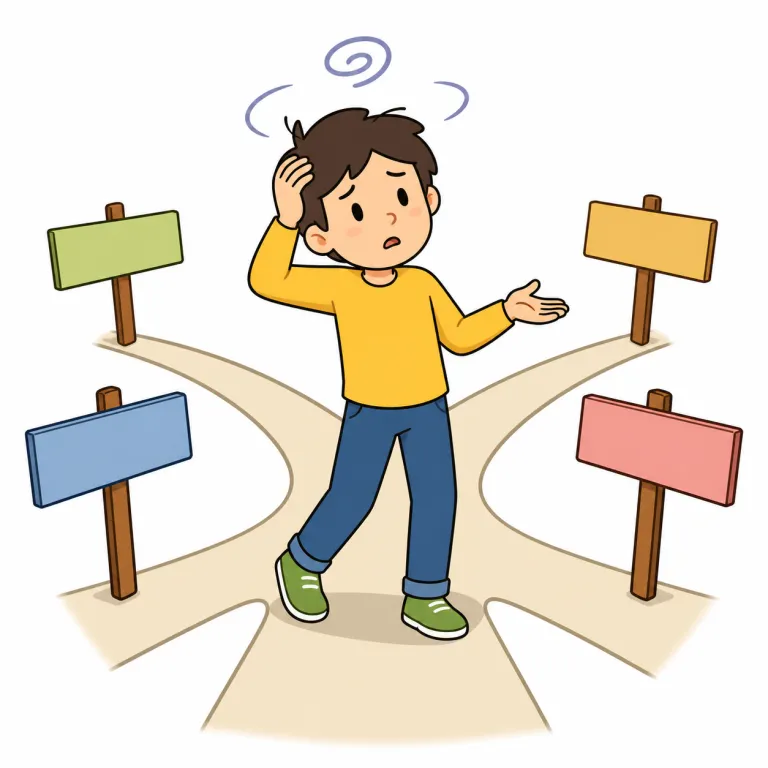
解説 Definition
方向感覚や場所の把握が乱れたり、状況や情報をうまく整理できず混乱している状態を表します。事故の直後、暗い場所、時差ぼけ、急な環境変化などで、どこにいるか・何が起きているか分からなくなる場面によく使います。何をすべきか分からず反応が鈍いニュアンスもあります。
Unable to clearly understand where you are, what is happening, or how to respond. It often describes confusion caused by an accident, darkness, jet lag, or a sudden change in surroundings.
例文
She looked disoriented after the sudden announcement.
彼女は突然の発表の後、戸惑った様子だった。
I felt disoriented when everyone started talking at once.
みんなが一斉に話し始めて、私は混乱した。
The new employee seemed disoriented during the first meeting.
新入社員は最初の会議で少し戸惑っているようだった。
disoriented の類義語・関連語
disoriented の語源・成り立ち Etymology
disoriented は否定・分離を表す dis- と oriented から成り、orient はラテン語 oriens「日の昇る東」に由来します。もともと「東を基準に向きを定める」ことなので、orientation や oriental と同根だと知ると「見当を失う」が理解しやすいです。
Disoriented is built from dis- and oriented. Orient comes from Latin oriens, meaning "rising" and referring to the east, where the sun rises. Since orientation originally meant finding direction by using the east as a reference point, disoriented came to mean losing one's sense of direction or place.
同じレベルの語彙をもっと
外部辞書で調べる
この英単語をクイズで覚えよう