
dispute
dispute は英検2級・TOEIC 860・TOEFL 80・IELTS 6.5レベルの英単語で、「異議を唱える、争う、論争する」という意味があります。発音記号は /dɪˈspjuːt/ です。
意味一覧 (2件)
異議を唱える
dispute の覚え方 How to remember dispute
`dis-` が付く語には「ずれる・反対する」感覚のものが多いので、まず `dispute` は「相手の言い分をそのまま受け入れず、正しさを争う」と押さえると残りやすいです。`argue` が口論そのものにも広く使えるのに対し、`dispute` は `a claim` `a decision` `the result` など、主張・判断・事実認定に異議を唱える場面でよく出ます。`dispute a claim`、`dispute the facts`、`legal dispute` をまとめて覚えると、「感情的に怒る」より「根拠をめぐって争う」語感が定着します。
The prefix `dis-` often suggests opposition or disagreement, which fits `dispute`. It is often used for challenging a claim, result, or decision, not just having an emotional argument. Remember phrases like `dispute a claim` or `dispute the facts`.
解説 Definition
主張や事実、判断の正しさを認めず、反対したり疑問を呈したりすることを指します。感情的に言い争う場合にも使えますが、特に証拠や解釈に基づいて、ある結論や見解に正式に異議を唱える場面でよく使われる動詞です。
To dispute something means to question it, argue against it, or say that it is not true or correct. It is often used for facts, decisions, claims, or legal matters. This word is common in formal discussions and disagreements.
例文
The company disputed the accuracy of the report.
会社はその報告書の正確性に異議を唱えた。
Few experts dispute that conclusion.
その結論に異議を唱える専門家はほとんどいない。
If you dispute the charge, contact your bank.
その請求に異議がある場合は、銀行に連絡してください。
争う、論争する
(意味 2)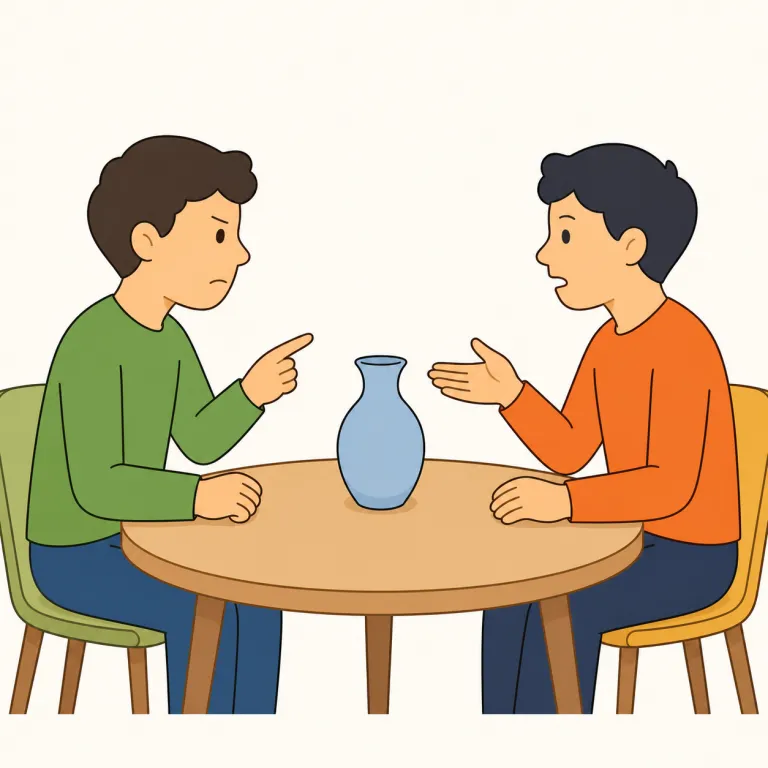
解説 Definition
人どうしや集団、国などが、意見・事実・権利・境界などをめぐって争ったり言い争ったりすることを表します。単に反対するよりも、対立する当事者どうしが主張をぶつけ合う場面でよく使われます。
To argue over a fact, opinion, right, or boundary, with different sides making competing claims. It is used when people or groups actively disagree about what is correct or who is entitled to something.
例文
The two boys disputed the score.
二人の少年は得点をめぐって争った。
Experts still dispute the cause of the fire.
専門家たちはその火災の原因をめぐって今も見解が分かれている。
The brothers disputed the family land.
兄弟は家の土地をめぐって争った。
dispute の類義語・関連語
類義語
対義語
dispute の語源・成り立ち Etymology
disputeは古フランス語desputerを経て、ラテン語disputareにさかのぼる。dis-「分けて」+ putare「数える・整理する」で、論点を一つずつ切り分けて検討する感覚から「議論する・争う」になった。関連語はdisputation、indisputable。
Dispute came through Old French from Latin disputare. It combines dis- "apart" with putare, a verb that could mean "to reckon, think, or clear up." The original sense was to examine points one by one, and this later developed into the ideas of arguing, debating, and challenging; disputation and indisputable are related words.
同じレベルの語彙をもっと
英検2級の一覧へ →外部辞書で調べる
この英単語をクイズで覚えよう