民族衣装、時代衣装
noun 名詞特定の国や地域、歴史上の時代に特徴的な服装一式を指します。national costume、period costume などの形で使われ、役を演じるための舞台衣装に限らない語義です。
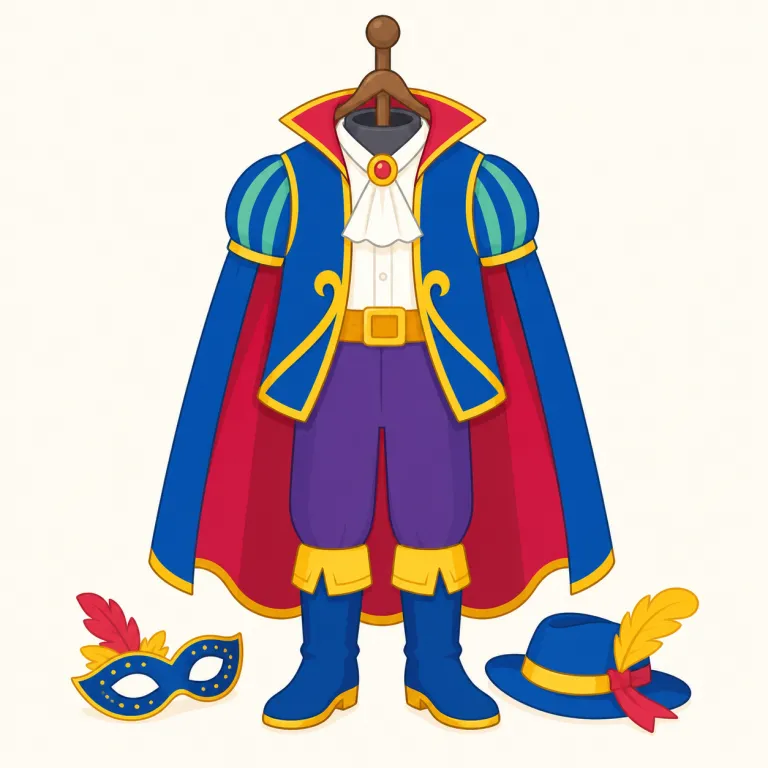
costume はTOEIC 860レベルの英単語で、「衣装」という意味があります。発音記号は /kɑːˈstjuːm/ です。
劇場や映画、祭りなどで着用される衣服やドレスのことです。キャラクターを演じるためのお祭りの服装や舞台衣装を指します。
A costume is a set of clothes worn to look like a particular character, person, or thing. It is commonly used for plays, parties, festivals, and Halloween. In more formal use, it can also mean the typical clothing of a certain place or historical period.
costume は、まずよく見る Halloween costume や stage costume をセットで覚えると定着しやすいです。ふつうの clothes ではなく、役になりきる・行事に合わせるための特別な服、という場面つきで覚えるのがコツ。custom とつづりが近いので、「その場の慣習や役割に合わせた身なり」と連想すると整理しやすいです。customer とは無関係なので混同注意。服そのものより『演出された装い』の感覚が中心です。
Remember costume through common phrases like Halloween costume or stage costume. It is not just everyday clothes, but clothes for a role, event, or special look. The spelling is close to custom, so you can link it to dressing for a particular occasion.
I wear a cat costume.
私はねこの衣装を着ます。
This costume is for a play.
この衣装は劇のためのものです。
He likes his hero costume.
彼はヒーローの衣装を気に入っています。
文脈によって、次の意味でも使われます。
特定の国や地域、歴史上の時代に特徴的な服装一式を指します。national costume、period costume などの形で使われ、役を演じるための舞台衣装に限らない語義です。
イタリア語 costume からフランス語経由で英語に入った。元はラテン語 consuetudo(習慣)に由来し、con-(共に)+ suescere(慣れる)が語根。custom(習慣)と同根で、「その土地の習慣的な装い」から「衣装」の意味に特化した。
Costume entered English from French, with an important stage in Italian costume. It goes back to Latin consuetudo, meaning "custom" or "habit," from a root meaning "to become used to." The idea was first the usual dress of a place or group, and then it narrowed to mean a special style of clothing; custom is a close relative.
この英単語をクイズで覚えよう