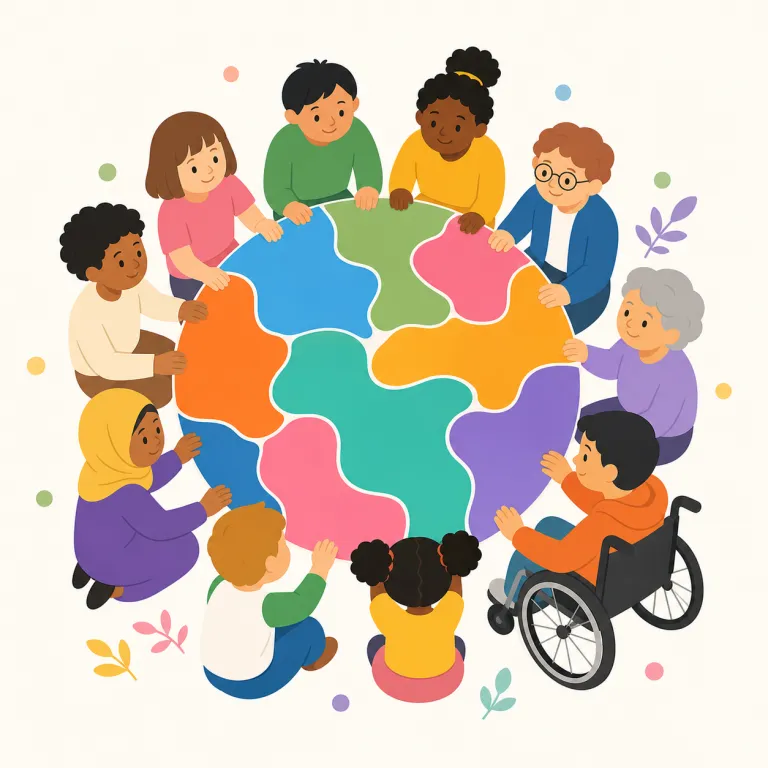
diversity
diversity は英検準1級・TOEIC 730・TOEFL 60・IELTS 5.5レベルの英単語で、「多様性」という意味があります。発音記号は /daɪˈvɜːrsəti/ です。
多様性
解説 Definition
異なる種類や性質のものが一緒に存在すること。多様な要素や観点が社会や組織に存在する状態を指します。
Diversity is the state of having many different kinds of people or things in one group or place. It is often used when talking about culture, race, ideas, or experiences in a school, workplace, or society. The word usually has a positive meaning because variety can bring new views and strengths.
覚え方のコツ Memory Tip
まず形で覚えると残りやすいです。diverse(多様な)に -ity が付くと「性質・状態」になり、diversity は「多様であること」。activity, security などと同じ名詞化パターンです。使う場面は cultural diversity, biodiversity, diversity and inclusion が定番。variety も似ますが、diversity は「違う種類のものが同じ場に共存している」感じが強い語です。社会・組織・生態系の話と結び付けると定着しやすいです。
Notice the shape: `diverse` becomes `diversity` with `-ity`, like `active` to `activity`. That ending often makes a noun for a quality or state. Remember common pairs such as `cultural diversity` and `biodiversity`. It is close to `variety`, but `diversity` often suggests different kinds living or working together in one place.
例文
Diversity brings different people into our class.
多様性によって、さまざまな人が私たちのクラスに集まります。
Diversity brings many colors together.
多様性はさまざまな色を結び付けます。
Diversity lets us hear many different ideas.
多様性があると、さまざまな考えを聞けます。
えいたんごクイズでの正答率
この語をはじめて出題された 35人 のうち 31人 が正解しました(89%)。
えいたんごクイズの回答から集計した独自データです。1人につき最初に出題されたときの1回だけを数えており、復習や2回目以降の回答、「わからない」と時間切れは含みません。 集計時点は 2026年9月19日 です。
diversity の類義語・関連語
diversity の語源・成り立ち Etymology
diversity は古フランス語 diversité を経て、ラテン語 diversitas「相違・多様」に由来します。語幹 diversus は dis-「離れて」+ vertere「向きを変える」なので、「同じ方向でなく別々へ向くこと」から多様性の意味になりました。関連語は diverse, divert。
Diversity came into English through Old French diversité, from Latin diversitas, meaning difference or variety. Its deeper root is diversus, from dis- "apart" and vertere "to turn." The idea was of things turning in different directions, which developed into the sense of variety. Related English words include diverse and divert.
同じレベルの語彙をもっと
英検準1級の一覧へ →外部辞書で調べる
この英単語をクイズで覚えよう