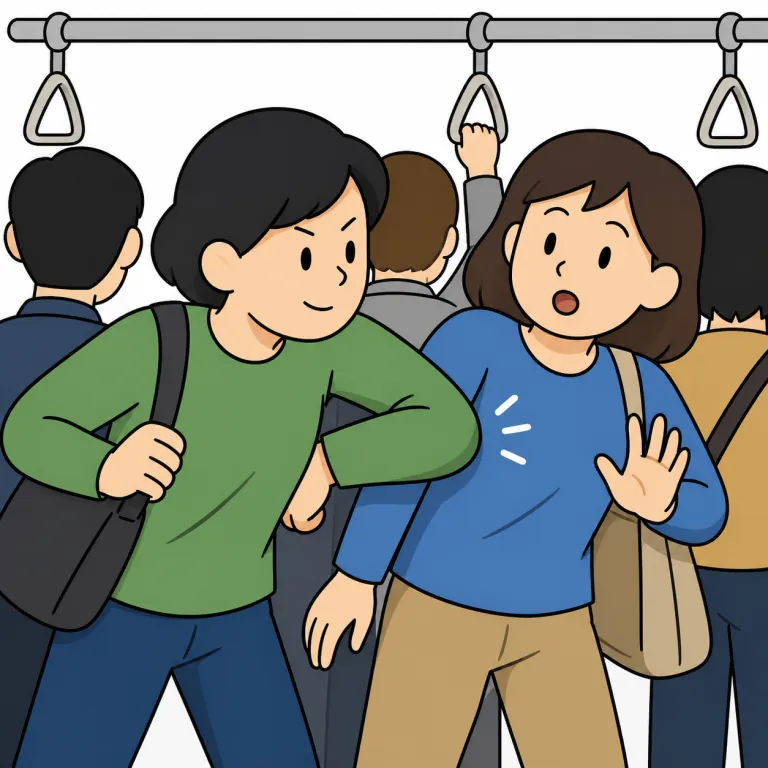
押しのけた、追い出した
verb 動詞競争や組織の中で、他者を強引に脇へ追いやったり、地位から排除したりしたことを表す比喩用法。elbow someone aside/out などの形で使われ、実際に肘を使った動作とは限らない。
「elbowed」は動詞 elbow の過去形・過去分詞で、「肘で突いた」「肘で押しのけた」という意味。混雑した場所で無理に進んだり、腕を動かした拍子に人へ肘が当たったりした場面を表し、受け身では「肘で押しのけられた」の意味にもなる。
Elbowed means pushed or hit someone with an elbow, often to make space or move past them. It is commonly used for crowded situations or rough physical contact, and it can suggest rude or forceful behavior.
まず名詞の elbow「ひじ」が分かれば、elbow はそのまま動詞で「ひじで押す・突く」。そこに -ed が付いた形だと押しのけた動作が一度起きたと捉えやすいです。混雑した電車やバーで someone was elbowed through the crowd のように、人を手で押すよりも、体を割り込ませる荒っぽい感じが出ます。push より具体的で、nudge より強め。名詞の elbow と動詞の elbow をセットで覚えると定着しやすい語です。
Start with the noun `elbow`. English often turns body-part nouns into verbs, so `to elbow` means to use your elbow. The `-ed` form helps you picture one rough action in a crowd: someone elbowed past or elbowed you aside.
She elbowed her way through the crowded subway during rush hour.
彼女はラッシュアワーの混雑した地下鉄で、肘で押しのけながら進んだ。
He accidentally elbowed his neighbor while reaching for his bag.
彼はバッグに手を伸ばしたとき、誤って隣の人を肘で突いてしまった。
The journalist was elbowed aside by security guards at the press conference.
その記者は記者会見で警備員に肘で脇へ押しやられた。
文脈によって、次の意味でも使われます。
競争や組織の中で、他者を強引に脇へ追いやったり、地位から排除したりしたことを表す比喩用法。elbow someone aside/out などの形で使われ、実際に肘を使った動作とは限らない。
elbowedはelbow+ -edで、elbowは古英語elnbogaに由来し、eln「前腕」とboga「弓」から成ります。bowやrainbowと同じく「曲がった弓」の感覚が核にあるので、肘で押す動作にも「ひじを使う」がそのまま残っています。
Elbowed is built from elbow with the verb ending -ed. Elbow comes from Old English elnboga, literally "arm-bow," from eln "forearm" and boga "bow," the same curved-image root seen in bow and rainbow. That shape sense stayed in the word, and later elbowed came to mean pushing or striking with the elbow.
この英単語をクイズで覚えよう