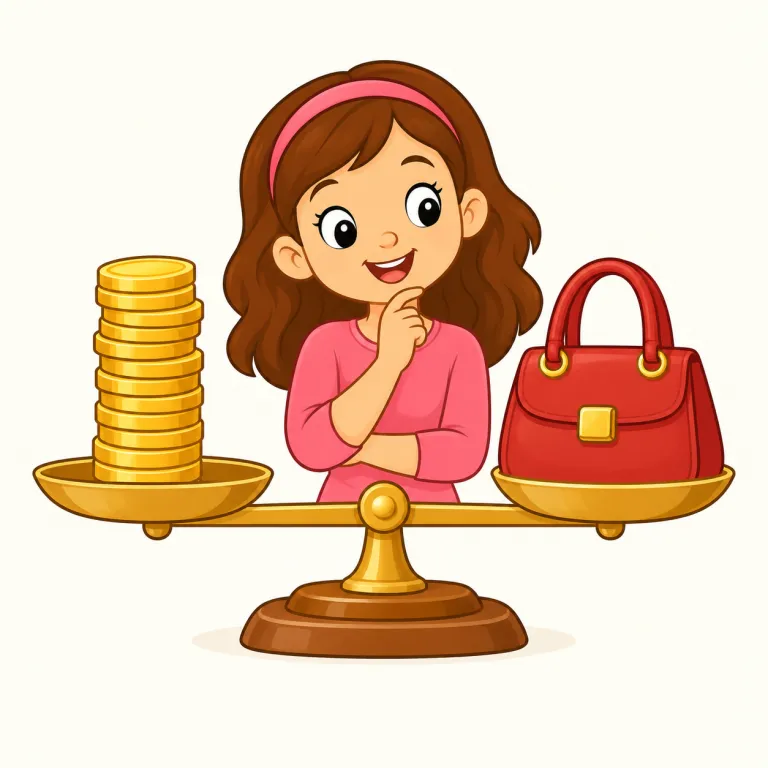
同等の
解説 Definition
equated は equate(同一視する、同等と見なす)の過去形・過去分詞です。二つのものを同じ価値や意味を持つものとして扱う場合に使われます。
Equated is the past tense and past participle of equate. It means that two things were treated, interpreted, or presented as having the same value, meaning, importance, or effect, whether or not that comparison was objectively justified.
覚え方のコツ Memory Tip
equated は equate に -ed を付けた過去形・過去分詞で、語末の e と -ed が重なって equated となり、-ated 部分は「エイティド」に近く発音します。equate A with B の型で「AをBと同一視する」と覚え、price was equated with quality のように、必ずしも本当に等しいとは限らない判断を表す点に注意しましょう。
Link equated with equal: to equate two things is to place them on the same conceptual level. It is the past form and past participle of equate, pronounced with a separate syllable in the ending, roughly “ee-KWAY-tid.” Learn the pattern equate A with B: a report equated speed with efficiency, or silence was equated with agreement. The wording reports an act of comparison or interpretation; it does not guarantee that A and B truly are identical. That distinction helps separate equated from proved equal or demonstrated to be the same.
例文
The report equated speed with efficiency.
その報告書は速さを効率の良さと同等に扱いました。
High price is often equated with high quality.
高い価格はしばしば高品質と同一視されます。
In the discussion, silence was equated with agreement.
その議論では、沈黙は同意と見なされました。
equated の類義語・関連語
類義語
対義語
紛らわしい語
equated の語源・成り立ち Etymology
equated は equate「同一視する、同等と見なす」の過去形・過去分詞です。equate はラテン語 aequare「等しくする」の過去分詞 aequatus に由来し、aequare は aequus「平らな、等しい」から派生しました。関連語に equal、equity があります。
Equated is formed from equate and the past-tense and participial suffix -ed. Equate comes from Latin aequare, “to make equal,” which derives from aequus, “level, even, or equal.” English equal and equity belong to the same broad word family. The form does not need to be divided into a productive English prefix e- and a separate element quate; historically, its central idea is simply making or regarding things as equal.
同じレベルの語彙をもっと
外部辞書で調べる
この英単語をクイズで覚えよう