意味一覧 (2件)
不協和音
解説 Definition
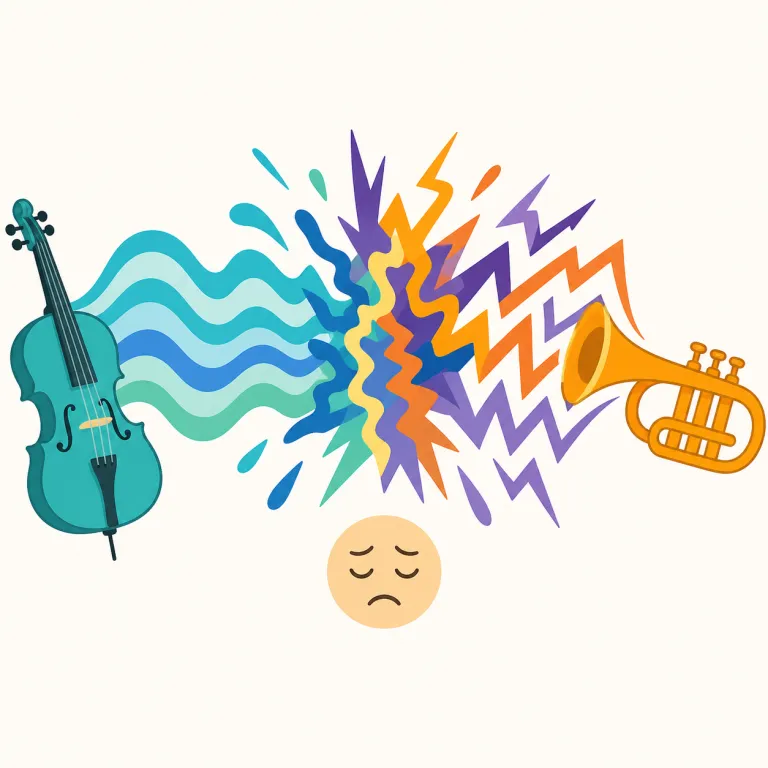
協調しない複数の音や音程が重なって違和感のある響きを生む状態を指します。音楽では緊張感や解決を待つ雰囲気を作るために使われ、安定した和音とは対照的です。比喩的には価値観や感情、行動の間に矛盾や不一致が生じた状態にも使います。
Dissonance is a lack of harmony or agreement. It can refer to unpleasant musical sounds, but it is also used for ideas, feelings, or situations that do not fit well together. In general use, it often suggests tension or conflict.
覚え方のコツ Memory Tip
dis- は「離れる・不一致」、son は sound / sonic と同じ「音」の仲間、と分けると覚えやすいです。consonance が「よく響き合う」のに対し、dissonance は「音や要素がうまく重ならず、ぶつかって落ち着かない感じ」。音楽の不協和音だけでなく、cognitive dissonance のように『考え・感情・行動が食い違って居心地が悪い』場面にも使えます。resonance は共鳴、consonance は調和、dissonance はズレと緊張、という対比で整理すると残りやすいです。
Notice `son`, the same sound family as `sonic`. The prefix `dis-` suggests mismatch or separation, so `dissonance` is a bad match in sound or feeling. It is easy to remember beside `consonance`: one feels smooth together, the other feels tense and wrong together.
例文
The dissonance in the music made it sound unpleasant.
その音楽の不協和音は不快に聞こえました。
There was dissonance between her words and actions.
彼女の言葉と行動の間には食い違いがありました。
The composer intentionally used dissonance to create tension.
作曲家は意図的に不協和音を使って緊張感を生み出しました。
意見の相違
(意味 2)
解説 Definition
見解や意見の相違。また、言動や内容の矛盾や不調和。
Dissonance is a lack of harmony or agreement between sounds, ideas, feelings, or people. It is used in music for harsh combinations of notes, and in general English for conflict or mismatch. The word often suggests tension that feels uncomfortable or noticeable.
覚え方のコツ Memory Tip
dissonance はまず sound / sonic の仲間だと押さえると残りやすい。consonance が「調和した響き」なら、dis- が付くと「音がずれる」イメージ。そこから、会話・主張・態度がかみ合わず、全体に不協和が生まれる場面へ意味が広がる。disagreement が単に意見の不一致を指せるのに対し、dissonance は言葉と行動の食い違い、矛盾、居心地の悪さまでにじむ。cognitive dissonance で見かけたらこの感覚で結びつける。
The prefix `dis-` often suggests separation or things not matching. In `dissonance`, think of ideas, reports, or words and actions that do not fit together smoothly. It is wider than simple `disagreement` and often appears in formal phrases like `cognitive dissonance` or `political dissonance`.
例文
There is dissonance between what he says and what he does.
彼の言動には矛盾があります。
The dissonance between the two reports confused investors.
2つの報告書の食い違いに、投資家は困惑しました。
Political dissonance within the party weakened its position.
党内の政治的な意見の相違が、党の立場を弱めました。
dissonance の類義語・関連語
dissonance の語源・成り立ち Etymology
dissonance はラテン語 dis-「離れて・不一致」+sonare「鳴る」からでき、フランス語経由で英語に入りました。直訳すると「一緒に響かないこと」で、音が気持ちよく溶け合わないため「不協和音」。関連語は consonant、resonance です。
Dissonance came into English through French from Latin dissonantia, from dis- "apart, not" and sonare "to sound." Its literal sense is "not sounding together." From that idea, it developed from harsh or clashing sounds to wider meanings of disagreement or lack of harmony; related words include resonance and consonant.
同じレベルの語彙をもっと
外部辞書で調べる
この英単語をクイズで覚えよう