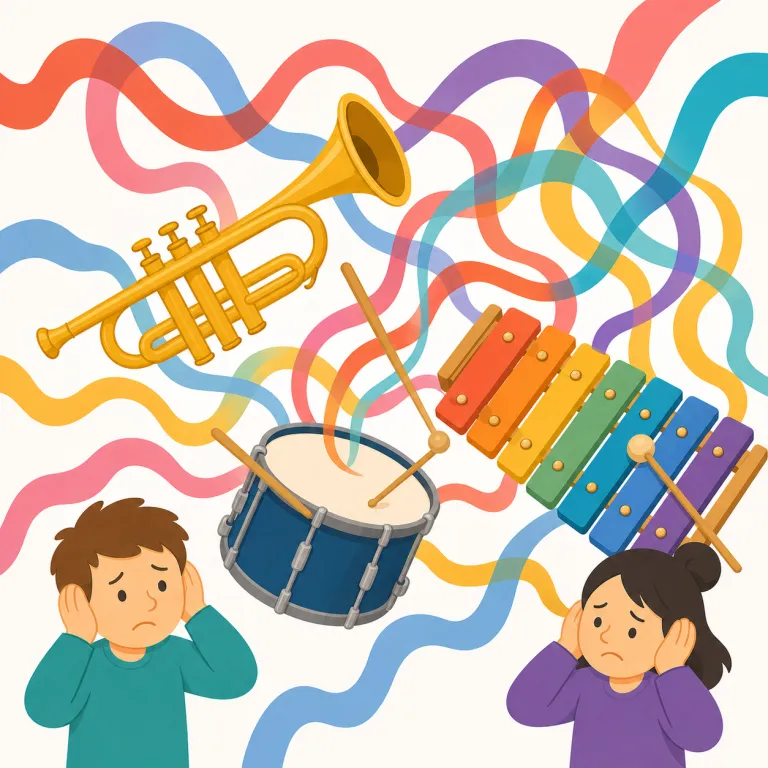
不協和な、調和しない
解説 Definition
音や考え方などが互いに調和せず、耳障りであったり、しっくりこなかったりする状態を表す。音楽では不協和音的な響き、人間関係や意見については食い違いや不一致が目立つことを示す形容詞である。
If something is dissonant, it does not sound harmonious or fit well with what is around it. The word is often used for music, voices, or ideas that clash and create an uncomfortable effect.
覚え方のコツ Memory Tip
まず consonant を知っているなら対で覚えると定着しやすいです。consonant が「調和した響き」なら、dis- が付く dissonant は「ズレてぶつかる感じ」。音だけでなく、dissonant voices, dissonant views のように意見や雰囲気の食い違いにも使えます。単なる different より「一緒に置くと耳・感覚にきしむ」ニュアンスが強いので、不快な不一致まで含む語として押さえると忘れにくいです。
Link it with `consonant`. If consonant sounds fit together, `dis-` shows they do not fit, so the sound feels off or clashing. It is also used for ideas or views that do not go well together, not only for music.
例文
The dissonant chords created an unsettling atmosphere.
その不協和な和音は落ち着かない雰囲気を生み出した。
His views were dissonant with the group's beliefs.
彼の見解は、その集団の信念と調和しないものだった。
The composition deliberately used dissonant sounds for effect.
その曲は効果を狙って意図的に不協和な響きを使っていた。
dissonant の類義語・関連語
dissonant の語源・成り立ち Etymology
dissonant は dis-「離れて・不一致に」+ son「鳴る」+ -ant で、ラテン語 sonare「音を出す」にさかのぼります。consonant や resonant と同じ語根をもち、音同士が一緒に鳴らずぶつかる感じから「不協和」の意味になりました。
Dissonant comes from Latin-based parts meaning "not sounding together": dis- plus a root from sonare, "to sound." It is related to consonant and resonant, which share the same sound root. The original idea was of notes that do not fit or ring together smoothly, and this developed into the broader sense of lack of harmony.
同じレベルの語彙をもっと
外部辞書で調べる
この英単語をクイズで覚えよう