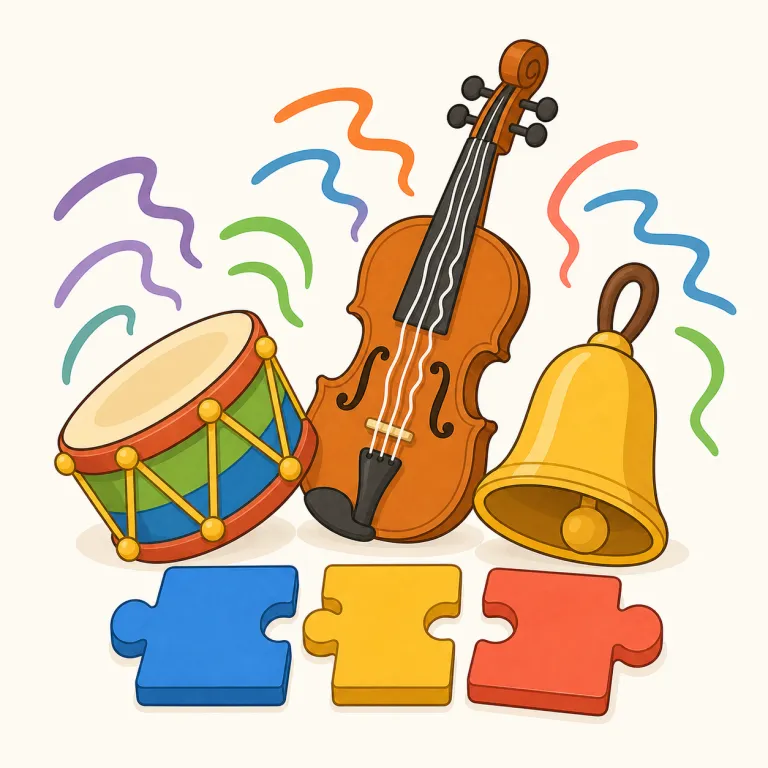
不調和
解説 Definition
調和が取れていない状態。人間関係や音楽などで不一致や対立があること。
Disharmony means a lack of agreement, balance, or peace between people, ideas, sounds, or parts of something. It can describe conflict in relationships or an unpleasant combination in music, art, or design. The word suggests things do not fit well together.
覚え方のコツ Memory Tip
まず harmony=「調和」を核に置き、先頭の dis- を「離れる・うまくいかない」の合図として見ると、disharmony は「調和から外れた状態」と自然に取れます。人間関係なら仲がぎくしゃくする、音楽なら音がかみ合わない、チームなら足並みがそろわない場面を結びつけると定着しやすい語です。disagreement が意見の不一致そのものを指しやすいのに対し、disharmony は全体の空気やバランスが崩れている感じまで含む、と押さえると混同しにくくなります。
First remember `harmony`, which suggests things fitting well together. Add `dis-` and imagine that balance breaking apart. It is broader than simple `disagreement`, because it can describe the whole mood, relationship, or sound feeling wrong.
例文
The disharmony between the two departments led to delays in the project.
二つの部門間の不調和がプロジェクトの遅延につながった。
Years of political disharmony had left the nation deeply divided.
何年にもわたる政治的不調和が国を深く分断させていた。
The composer intentionally used disharmony in the piece to evoke a sense of unease.
作曲家は不安感を喚起するために、意図的に作品に不調和を用いた。
disharmony の類義語・関連語
類義語
disharmony の語源・成り立ち Etymology
dis- はラテン語由来で「離れて・否定して」、harmony はギリシャ語 harmonia「つなぎ合わせ、調和」がラテン語・古フランス語を経て入った語です。つまり disharmony は「うまく組み合わない状態」で、harmonious や harmonize も同根です。
"Disharmony" combines "dis-," meaning separation or lack, with "harmony." "Harmony" goes back to Greek "harmonia," meaning a fitting together or joining, and it is related to "harmonious" and "harmonize." The word developed naturally to mean a state where things do not fit together well.
同じレベルの語彙をもっと
外部辞書で調べる
この英単語をクイズで覚えよう