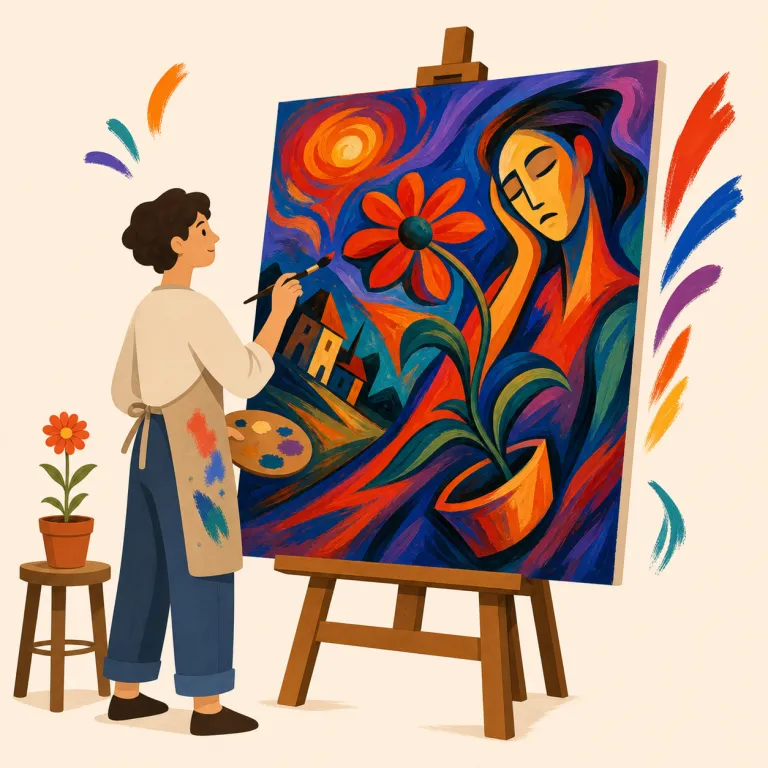
表現主義
解説 Definition
表現主義とは、20世紀初頭の芸術運動で、客観的な現実よりも個人的な感情や主観的な印象を表現することを重視する様式です。
Expressionism is a style in art, literature, or theater that focuses on showing strong inner feelings rather than realistic details. It often uses exaggerated shapes, colors, or language to express emotion and personal experience.
覚え方のコツ Memory Tip
まず express「表す」を軸に置き、expression=表現、さらに -ism で「主義・芸術様式」と分解すると覚えやすい語です。美術史では impressionism が見た印象を受け取る側に近いのに対し、expressionism は作り手の感情を前面に出す側、と対比すると定着します。単なる expression「表現」ではなく、ひとつの芸術運動名だと押さえるのがコツ。現実を正確に再現するより、強い色彩やゆがんだ形で怒り・不安・情熱を出す作品と結びつけると忘れにくくなります。
Build it from express, then expression, then -ism. That helps you remember it is not just "expression" but a named artistic movement. Contrast it with impressionism: impressionism shows what is seen, while expressionism pushes the artist’s inner feelings to the front.
例文
Expressionism emerged in early 20th-century art as a reaction against Impressionism.
表現主義は、印象派への反発から20世紀初頭の美術界に登場しました。
The painter's use of bold colors reflects the principles of Expressionism.
その画家の大胆な色遣いには、表現主義の原則が表れています。
Expressionism emphasizes the artist's emotional experience over realistic depiction.
表現主義は、写実的な描写よりも芸術家自身の感情体験を重視します。
expressionism の類義語・関連語
expressionism の語源・成り立ち Etymology
expressionismはexpression+-ism。expressionはラテン語ex-「外へ」+press-「押す」に由来し、内面を外へ押し出すという発想です。pressureやimpressionも同じpress系で、「感情を強く表へ出す」芸術観が語源どおりに見えます。
Expressionism was formed in modern English from expression plus the ending -ism. Expression goes back to Latin ex- "out" and premere, press- "press," originally suggesting something pressed outward. The name fits an artistic movement focused on pushing inner feelings outward in a strong visible form. Related words include pressure, impression, and expressive.
同じレベルの英単語をもっと
外部辞書で調べる
この単語を英単語クイズで覚えよう