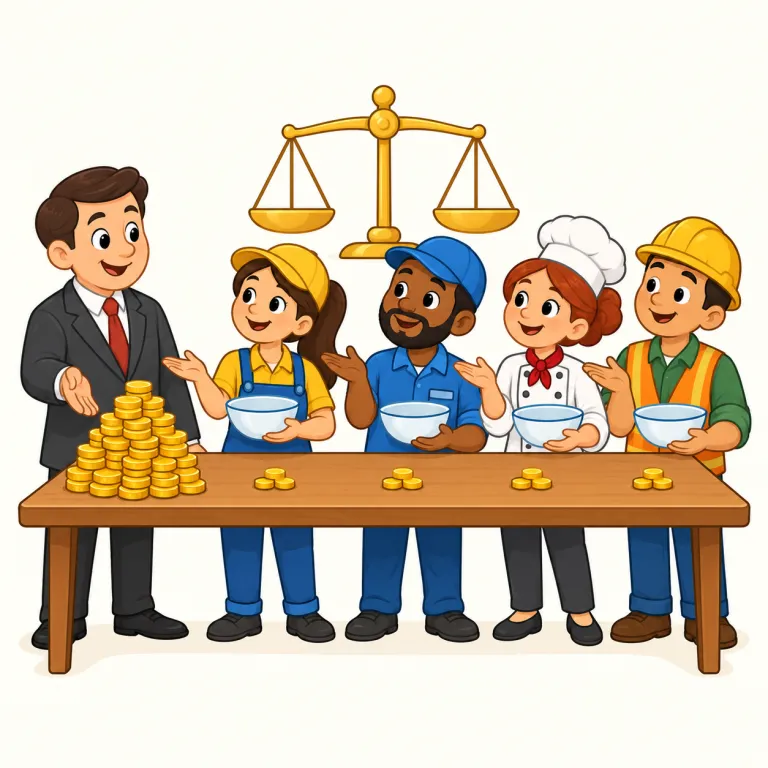
より公平な
解説 Definition
fairer は fair の比較級で、「より公平な、より公正な」という意味です。判断・制度・扱いなどが、以前や別のものより偏りの少ないことを表します。
More just, impartial, or reasonable than another arrangement, decision, or form of treatment. It describes something that gives people a more equal opportunity or distributes benefits and burdens with less bias.
使い方 Usage
- a fairer system「より公平な制度」、fairer treatment「より公平な扱い」、a fairer share「より公平な取り分」などと使います。 Common combinations include a fairer system, fairer treatment, and a fairer share.
- 比較対象は than で示すほか、文脈から分かる場合もあります。fairer は完全な公平さではなく、比較対象より公平であることを表します。 The comparison may be stated with than or understood from context. Fairer describes greater fairness than the comparison point, rather than perfect fairness.
覚え方のコツ Memory Tip
fair「公平な」に -er を付けて fairer とし、語末の r は重ねません。「今より公平に」と考えると比較級の意味をつかめます。more equitable も近い意味の表現です。
Add -er to fair without doubling the final r: fairer. Think of making something fairer than it is now. More equitable is a related, slightly more formal expression.
例文
The new rule creates a fairer system for all students.
その新しい規則は、すべての学生にとってより公平な制度を作ります。
Many workers asked for a fairer share of the profits.
多くの労働者が、利益のより公平な分配を求めました。
We need a fairer way to decide who gets the scholarship.
誰が奨学金を受けるかを決める、より公平な方法が必要です。
fairer の類義語・関連語
類義語
対義語
紛らわしい語
fairer の語源・成り立ち Etymology
fairer は fair の比較級で、fair は古英語 fæger「美しい・心地よい」に由来し、のちに「正しい、公平な」へ意味が広がった。-er は比較級の接尾辞で、fairness や fairly も同根。もとの「感じがよい」が「偏りがなく納得できる」へつながっている。
Fairer consists of fair and the comparative suffix -er. Fair comes from Old English fæger, which described something beautiful, pleasing, or favorable. Over time, its meanings broadened to include what is proper, just, and free from bias. The suffix -er marks comparison, so fairer means that one system, decision, distribution, or kind of treatment has a greater degree of fairness than another.
同じレベルの語彙をもっと
外部辞書で調べる
この英単語をクイズで覚えよう