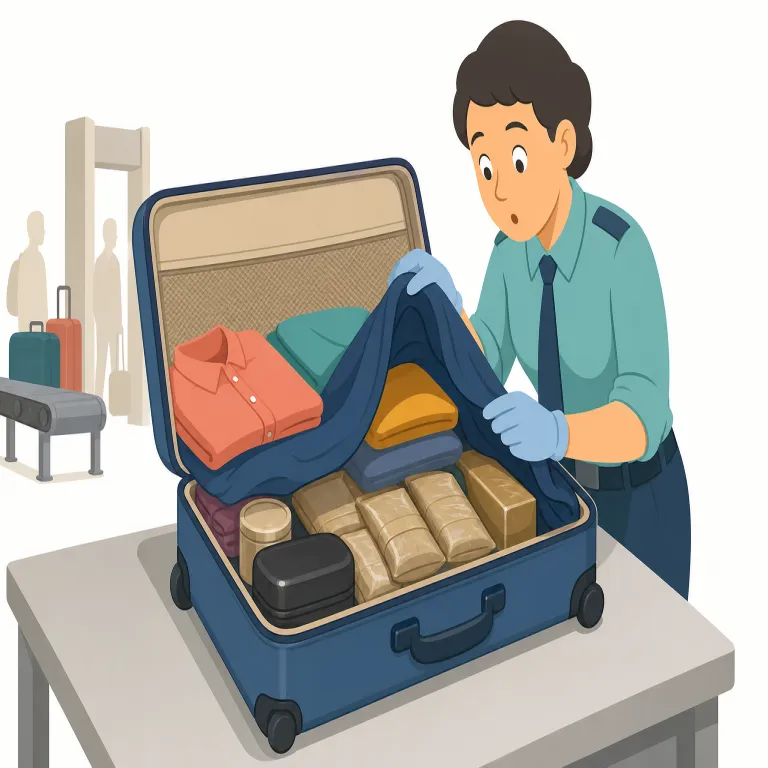
contraband
密輸品
解説 Definition
違法に国境を越えて運ばれた品物。密輸された、禁止または規制されている商品。
Contraband means goods that are illegal to carry, sell, or bring into a country or place. The word is often used for smuggled items such as drugs, weapons, or banned products. It usually appears in law, customs, or crime-related contexts.
覚え方のコツ Memory Tip
まず ban=禁止 を核に覚える。contra- は「反対・逆らう」で、contraband は『禁止に逆らって動く物』と見ると定着しやすい。単なる違法品ではなく、税関・国境・刑務所など「持ち込み禁止の場所へ運ばれる物」の絵で覚えると強い。文脈は smuggle/carry contraband, contraband drugs/cigarettes。counterfeit は偽造品だが、contraband は本物でも持ち込み自体が違法、という違いに注意。
Notice the core word `ban`. `Contra-` often means against, so `contraband` is something that goes against a ban. Picture customs officers stopping hidden cigarettes or drugs at a border. Also remember the contrast: `counterfeit` is fake, but `contraband` can be real and still illegal to carry.
例文
Customs officers discovered contraband hidden in the luggage at the airport.
税関職員は空港で、荷物の中に隠された密輸品を発見した。
Smuggling contraband across borders is a serious federal crime.
密輸品を国境を越えて運ぶことは重大な連邦犯罪である。
The ship was seized because it was carrying contraband.
その船は密輸品を運んでいたため、押収された。
contraband の類義語・関連語
contraband の語源・成り立ち Etymology
contraband はイタリア語・フランス語を経て、中世ラテン語 contrabannum に由来します。contra-「反して」+ bannum「布告・命令」なので、原義は「お触れに逆らうもの」で、そこから「密輸品」になりました。関連語に ban, banish があります。
Contraband came into English through Italian and French from Medieval Latin contrabannum. It combines contra-, meaning "against," and bannum, meaning a proclamation or order. The original sense was something "against an official ban," which later became the modern idea of illegally traded goods. Related English words include ban and banish.
同じレベルの語彙をもっと
外部辞書で調べる
この英単語をクイズで覚えよう