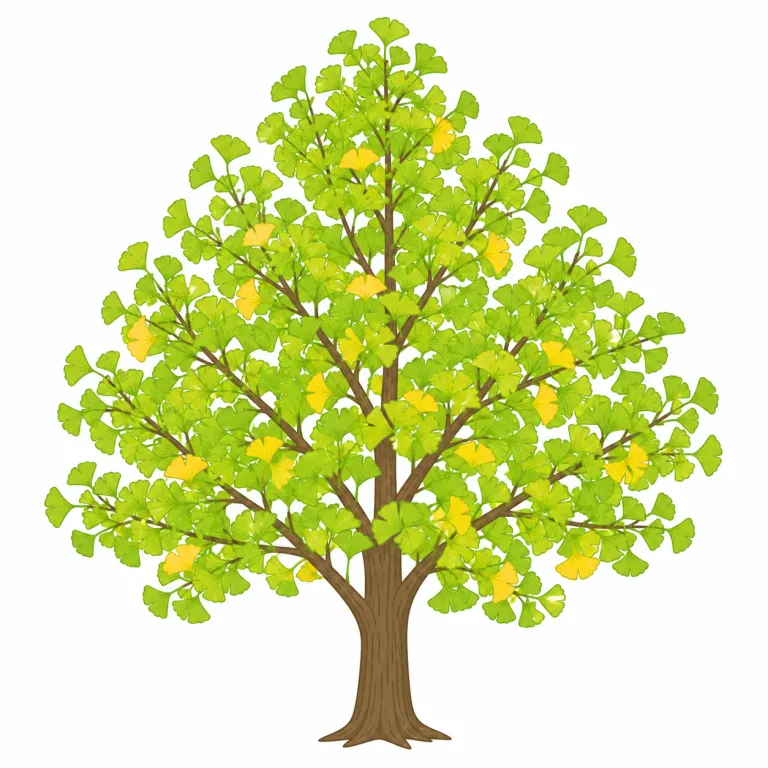
イチョウ
解説 Definition
扇形の葉を持つ落葉樹。生きた化石と呼ばれ、街路樹としても親しまれる。
Ginkgo is a kind of tree with fan-shaped leaves, often planted in cities and parks. The word can also refer to the leaves or seeds of this tree in scientific, cultural, or health-related contexts.
覚え方のコツ Memory Tip
ginkgo は単独で覚えるより、"ginkgo tree" "ginkgo leaves" "golden ginkgo in autumn" のように街路樹や黄葉の場面ごと覚えると定着しやすいです。植物名としては oak, maple, pine など木の名の仲間に置くと位置づけがはっきりします。意味の決め手は fan-shaped leaves で、扇形の葉が浮かべばイチョウに結びつきます。綴りはとても崩れやすく、よくある誤記は gingko。正しくは gi-nk-go と、nk の後に g が来る形を固めるのがコツです。
Remember it with the phrase `ginkgo tree` or `ginkgo leaves`, especially the fan-shaped leaves in autumn. The spelling is the main trap: many learners write `gingko`, but the correct order is `gi-nk-go`. Fix the spelling first, and the word becomes easier to keep.
例文
The ginkgo tree is considered a living fossil, having survived for millions of years.
イチョウの木は何百万年も生き延びてきた生きた化石と考えられている。
In autumn, the ginkgo leaves turn a brilliant golden yellow.
秋になると、イチョウの葉は鮮やかな金色に変わる。
Ginkgo biloba extract is widely used as a herbal supplement for memory improvement.
イチョウ葉エキスは記憶力向上のためのハーブサプリメントとして広く使われている。
ginkgo の類義語・関連語
紛らわしい語
ginkgo の語源・成り立ち Etymology
日本語「銀杏(ぎんきょう)」に由来する。17世紀にドイツ人医師ケンペルがローマ字表記する際に ginkgo と綴り、それが定着した。銀色の杏(あんず)に似た種子が名前の由来で、生きた化石として2億年以上の歴史を持つ樹木である。
"Ginkgo" comes from Japanese "ginkyo," from characters meaning "silver apricot." The spelling "ginkgo" became established after the German traveler Engelbert Kaempfer wrote it that way in the 17th century. The name originally referred to the seed's appearance, and the unusual spelling stayed in European languages.
同じレベルの語彙をもっと
外部辞書で調べる
この英単語をクイズで覚えよう