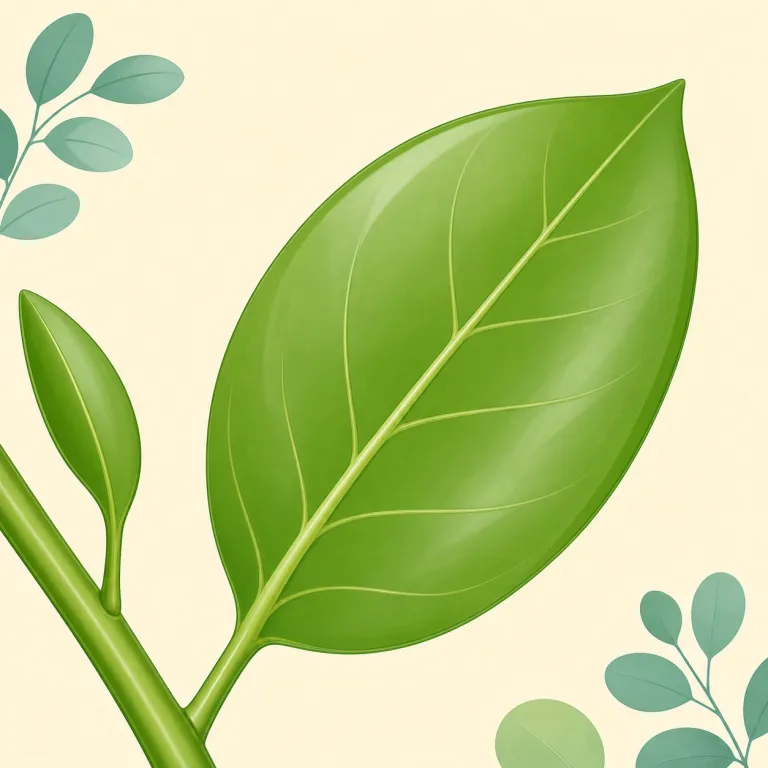
無毛の
解説 Definition
毛がない、または毛が非常に少ない状態を表します。動物の皮膚や植物の表面が滑らかで毛のないことを示す科学用語です。
Glabrous means smooth and without hair, fuzz, or small bristles. It is often used in biology, botany, and medicine to describe skin, leaves, or other surfaces. It is a formal, technical word rather than an everyday one.
覚え方のコツ Memory Tip
覚えるコツは、glabrous を単独で覚えるより、hairless・smooth・bare と並べて「毛がなく、表面がつるっとしている学術語」と位置づけることです。特に植物学で glabrous leaves / stems のように、葉や茎の表面描写でよく使われます。-ous は形容詞語尾なので「そういう性質の」という感覚で読むとよいです。bald は主に人の頭、glabrous は植物や皮膚などの表面説明、と使い分けると記憶に残ります。
Remember this as a more technical word for "smooth and hairless." You will often see it in science, especially with plants: glabrous leaves or stems. The ending -ous tells you it is an adjective. Unlike bald, which is often for a person's head, glabrous is often for surfaces such as skin or plants.
例文
The fern's fronds are glabrous, with no hairs on either side.
そのシダの葉は無毛で、どちらの面にも毛がありません。
Dolphins have glabrous skin that reduces water resistance.
イルカの無毛の皮膚は水の抵抗を減らします。
The leaf surface is glabrous and smooth.
その葉の表面は無毛で滑らかです。
glabrous の類義語・関連語
glabrous の語源・成り立ち Etymology
glabrousはラテン語glaber「つるつるした、はげた」に形容詞語尾-ousが付いた語です。原義がそのまま「毛がなく滑らか」なので、植物や皮膚に毛がない意味へ自然につながります。glabellaやglabrityが同じ語根です。
Glabrous comes from Latin glaber, meaning "smooth" or "hairless," with the adjective ending -ous. The original sense stayed very close to the modern one. In English, it is used especially for plants or skin that have no hair and feel smooth. Related words include glabella and glabrity.
同じレベルの語彙をもっと
外部辞書で調べる
この英単語をクイズで覚えよう