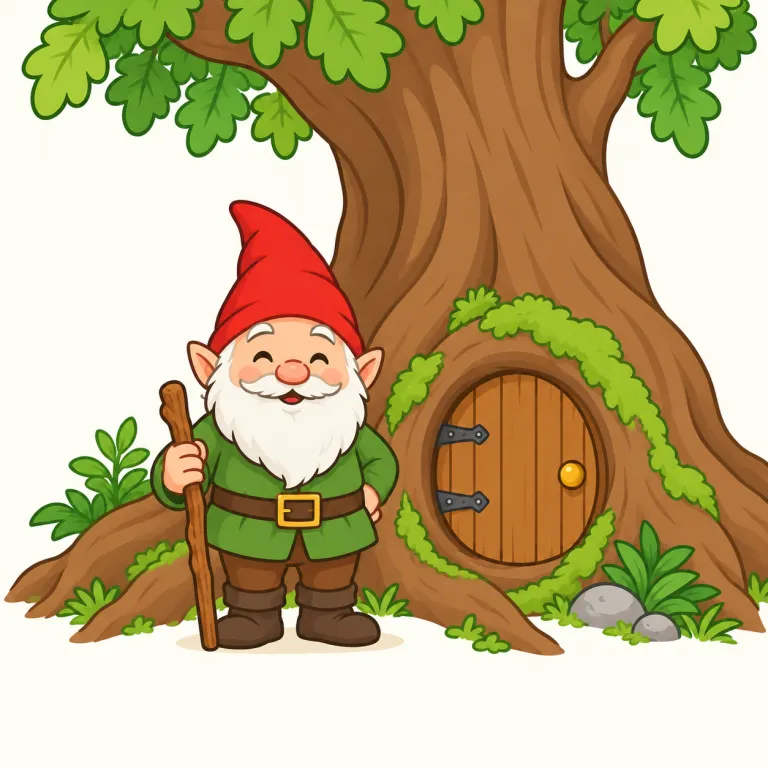
地の精 / 小人
解説 Definition
gnome は、西洋の民話やファンタジーに出てくる地の精や小人を指す名詞です。庭の置物としての小人像を指すこともありますが、ここでは主に想像上の小さな存在を表します。
A gnome is an imaginary small humanlike being found in European folklore and fantasy, often associated with the earth, underground places, or hidden treasure. The word can also refer to a decorative garden figure, though its primary sense here is the mythical creature.
覚え方のコツ Memory Tip
gnome は語頭の g を発音せず、/noʊm/ と読む点をまず押さえます。西洋の物語で地下や木の下に住む小さな地の精を思い描き、a gnome、a garden gnome と結び付けます。妖精一般の fairy よりも、小柄で大地や地下と結び付く存在を指すのが特徴です。genome は綴りが似ても別語です。
Start with the pronunciation: the initial g in gnome is silent, so the word sounds like “nome,” /noʊm/. Picture a small humanlike creature living under an old tree or guarding a hidden underground door. That image connects the word with earth and underground places, a common feature of gnomes in folklore and fantasy. Useful phrases include a forest gnome and a garden gnome. Unlike fairy, a broad term for magical beings, gnome usually suggests a small, earth-associated figure. Do not confuse it with genome, a biological term with a different origin.
例文
The story begins with a gnome living under an old tree.
その物語は、古い木の下に住む小人から始まります。
A small gnome guarded the hidden door in the cave.
小さな地の精が洞窟の隠し扉を守っていました。
The children drew a gnome with a red hat and a lantern.
子どもたちは赤い帽子とランタンを持った小人を描きました。
gnome の類義語・関連語
gnome の語源・成り立ち Etymology
gnome はフランス語を経て新ラテン語 gnomus に由来し、16世紀のパラケルススが地の精を指して用いた語です。gnomus の正確な形成は不明で、「地に住む者」に当たるギリシャ語系の形を想定する説や、知識を表すギリシャ語との関連説がありますが、確定していません。生物学用語 genome とは別語源です。
Gnome entered English through French gnome and New Latin gnomus. The term is associated with the sixteenth-century writings of Paracelsus, who used it for an elemental being connected with the earth. Its exact formation is uncertain; it has sometimes been linked with forms interpreted as “earth-dweller” or with Greek words concerning knowledge. Because these explanations are disputed, the secure historical point is its early use for a subterranean elemental spirit.
同じレベルの語彙をもっと
外部辞書で調べる
この英単語をクイズで覚えよう