粗野さ、下品さ
noun 名詞言動、態度、言葉遣いなどが粗野で品位を欠き、無作法または卑俗である性質を指す。
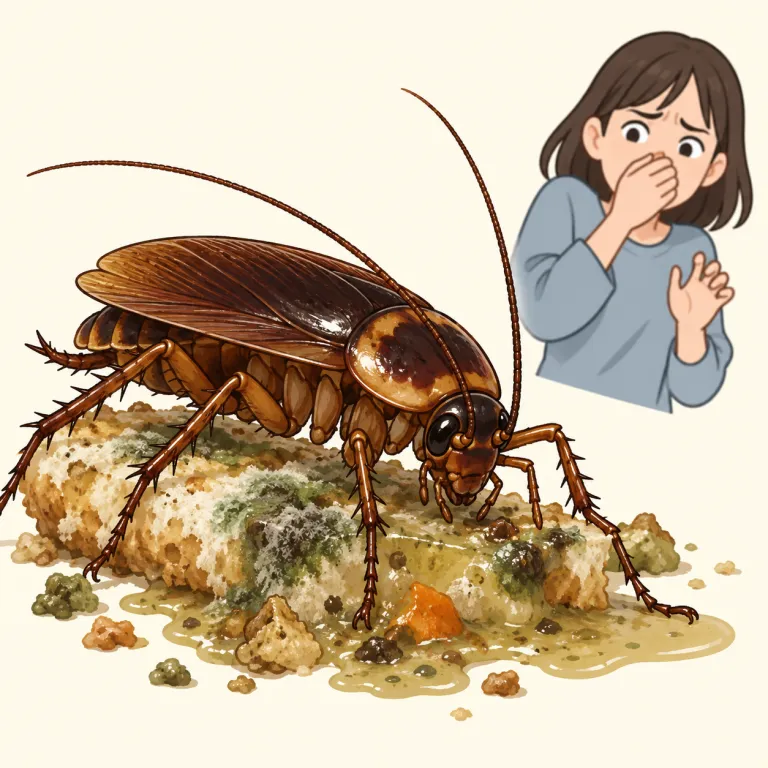
grossness はTOEIC 860・TOEFL 80・IELTS 6.5レベルの英単語で、「グロテスクさ、不快さ」という意味があります。発音記号は /ˈɡroʊsnəs/ です。
見た目や内容がひどく不快で、気持ち悪いと感じさせる性質や程度を表す名詞です。ホラーの描写や汚れた物などについて使われ、くだけた響きになることもあります。
Grossness is the quality of being very unpleasant, disgusting, or offensive. It is often used for things that make people feel sick, uncomfortable, or shocked.
That’s gross.「それ、気持ち悪いね」の gross に、性質を表す -ness を付けた形です。「気持ち悪い」から「気持ち悪さ」へ、とつなげて覚えましょう。
Start with That’s gross. Adding -ness turns the adjective into a noun naming the quality: grossness.
The grossness of the horror movie made many viewers uncomfortable.
そのホラー映画のグロテスクさは、多くの観客を不快にした。
I can't stand the sheer grossness of that insect.
あの昆虫のあまりの気味悪さには耐えられない。
文脈によって、次の意味でも使われます。
言動、態度、言葉遣いなどが粗野で品位を欠き、無作法または卑俗である性質を指す。
grossness は gross+-ness で、「粗さ・不快さ」を名詞化した語です。gross は古フランス語 gros、俗ラテン語 grossus「厚い・粗い」に由来し、grossly や engross も同根なので、もとは『分厚く大ざっぱ』という感覚が不快さへ広がったとわかります。
Grossness comes from gross with the noun suffix -ness. Gross came into English through Old French gros, from Late Latin grossus, meaning "thick," "coarse," or "large." From that older idea of something heavy or rough, the sense developed into moral or physical unpleasantness; related words include grossly and engross.
この英単語をクイズで覚えよう