hinge
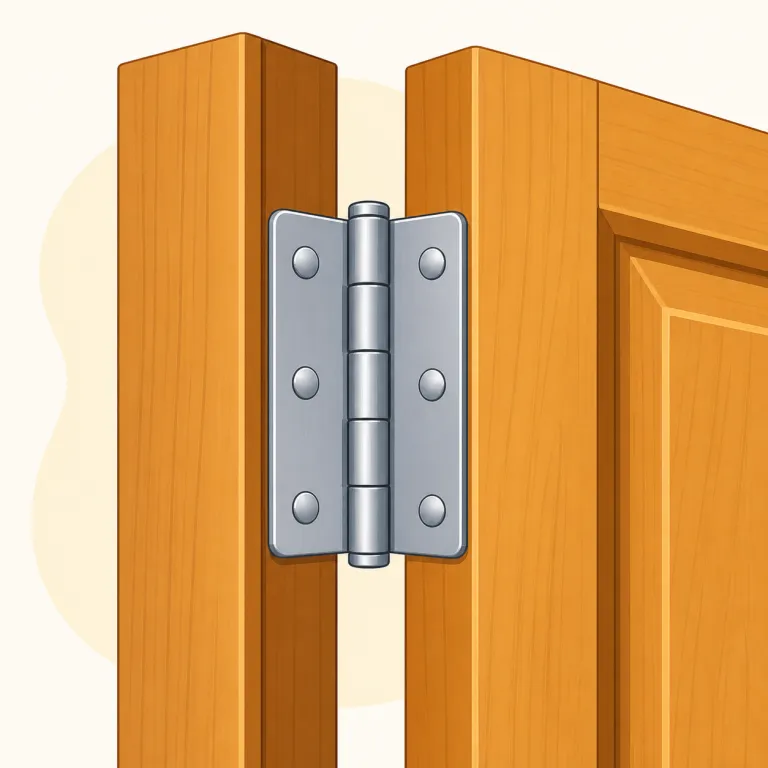
hinge は英検準1級レベルの英単語で、「蝶番、次第である」という意味があります。発音記号は /ˈhɪndʒ/ です。
意味一覧 (2件)
蝶番
解説 Definition
ドアや窓などを枠に取り付けて開閉を可能にする金属製の接合部を指す名詞です。物理的な支点として用いられるだけでなく、出来事がある条件や要素に依存していることを示す比喩表現として「〜にかかっている」という意味でも一般的に使われます。
A hinge is a metal or plastic joint that lets a door, lid, or similar object open and close. It connects two parts and allows one part to move while the other stays fixed. The word can also be used more generally for something that a situation depends on.
覚え方のコツ Memory Tip
まず door hinge をひとまとまりで思い浮かべると、「ドアを開閉させるかなめ」のイメージが固定しやすいです。そこから比喩の hinge on A も、「物事がその一点を軸に回る→A次第だ」とつなげると覚えやすくなります。pivot も近いですが、hinge は単なる中心点というより『支えて動きを可能にする接合部』の感じが強め。the door came off its hinges, Success hinges on timing. のような定番ごと覚えると定着します。
Start with the common phrase "door hinge." Picture the small metal part that lets the door move, and the word becomes easy to fix in memory. Then remember "hinge on" as the same idea in logic: everything turns on one key point.
例文
The old door creaked every time because one of its hinges was loose.
古いドアは蝶番の一つが緩んでいたため、毎回きしむ音がした。
The success of the project hinges on whether we can secure enough funding.
プロジェクトの成功は、十分な資金を確保できるかどうかにかかっている。
She replaced the broken hinge on the cabinet door.
彼女はキャビネットのドアの壊れた蝶番を取り替えた。
次第である
(意味 2)
解説 Definition
主に hinge on/upon の形で使い、「結果や成否、判断がある条件や事実にかかっている」という意味を表す。何が決め手になるかを示す言い方で、計画・議論・勝敗などが一つの要素次第で決まる場面でよく用いられる。
This verb, usually followed by on or upon, means that an outcome, decision, or success depends on a particular condition or fact. It identifies the factor that will determine what happens.
例文
The outcome hinges on how carefully we prepare.
結果は私たちがどれだけ入念に準備するかにかかっている。
The whole case hinged on a single email.
事件全体の行方は、たった一通のメールにかかっていた。
Our decision hinged upon the cost.
私たちの判断は費用次第だった。
hinge の類義語・関連語
類義語
hinge の語源・成り立ち Etymology
hinge は中英語 henge に由来し、語源的には hang「掛ける」と同じゲルマン系の根をもちます。扉は蝶番からぶら下がって回転するので、hinge が「回転の要」や比喩的な「かなめ」も表すのは自然です。関連語は hang、hanger。
"Hinge" comes from Middle English "henge" and is related to the same Germanic root as "hang." The basic idea is something that hangs or is suspended. From the image of a door hanging and turning on its support, the word also developed the figurative sense of a central turning point. Related English words include "hang" and "hanger."
同じレベルの語彙をもっと
英検準1級の一覧へ →外部辞書で調べる
この英単語をクイズで覚えよう