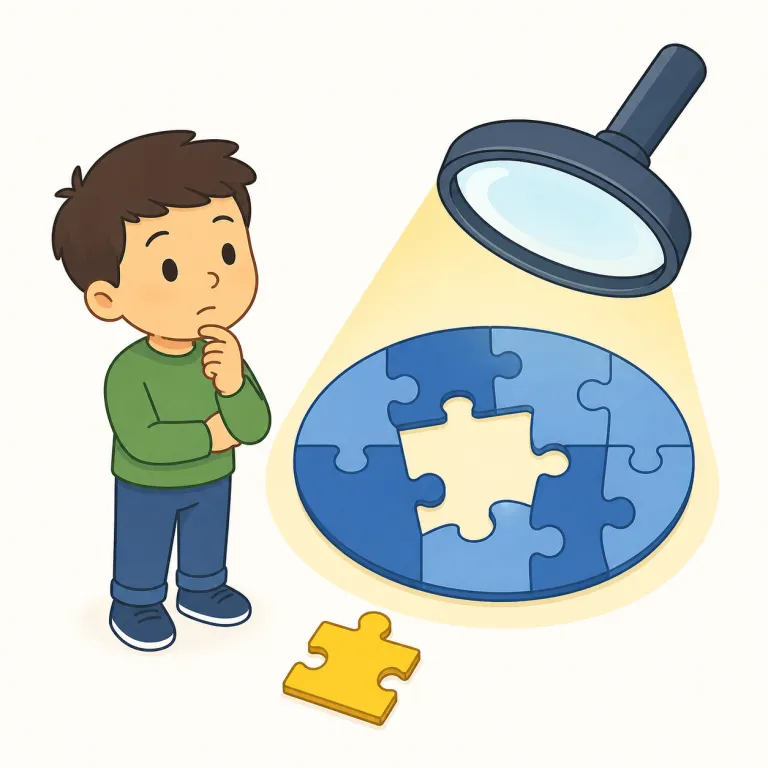
hint
hint はTOEIC 860・TOEFL 80・IELTS 6.5レベルの英単語で、「ヒント、手がかり、ほのめかす」という意味があります。発音記号は /hɪnt/ です。
意味一覧 (2件)
ヒント、手がかり
解説 Definition
問題の答えや真相をすぐに明かさず、気づくための助けとして与える短い情報を指します。クイズ、会話、謎解き、調査などで、考える方向を示すときに使われる基本語です。
A small piece of information that helps someone discover an answer or understand something without revealing it completely. It guides their thinking in a puzzle, conversation, or investigation.
覚え方のコツ Memory Tip
まず名詞の hint「ヒント」を起点にすると覚えやすいです。ヒントは答えを全部言わず、相手が自分で気づける程度に示すものなので、動詞 hint も「はっきり言わずにそれとなく示す」とつながります。使い方は hint at ... / hint that ... が定番で、say や tell のように直言する語ではありません。suggest に近いですが、hint のほうがさらに弱く indirect で、表情・口調・態度からにおわせる感じです。a smile hinted at relief, his remark hinted that he knew the truth のような場面で覚えると定着します。
Picture a puzzle helper giving you just enough information to take the next step. Learn give someone a hint as a phrase for helping them work out the answer themselves.
例文
Can you give me a hint?
ヒントをくれますか。
This note was a hint about the answer.
このメモは答えについての手がかりだった。
She dropped a hint during the meeting.
彼女は会議中にそれとなく示唆した。
ほのめかす
(意味 2)
解説 Definition
何かを明確には言わずに、言葉や態度で暗に示唆することです。明白な表現を避けて、ほのかに伝えることを指します。
To hint means to suggest something in an indirect way, without saying it clearly. People often hint when they want others to understand a message quietly or politely. It is common in conversation, writing, and situations where someone does not want to speak too directly.
例文
He hinted that he might change his job soon.
彼は近いうちに転職するかもしれないとほのめかしました。
She hinted that she was unhappy.
彼女は不満があることをほのめかしました。
The author hinted at a strange ending in the book.
著者は本の中で謎めいた結末をほのめかしました。
hint の類義語・関連語
類義語
紛らわしい語
hint の語源・成り立ち Etymology
hint は17世紀英語で、古英語 hentan「つかむ」にさかのぼる語とされます。相手に意味をはっきり言わず、聞き手に“つかみ取らせる”という感覚が核にあり、そこから「ほのめかす」の意味になりました。関連語は hunt, hent。
同じレベルの語彙をもっと
TOEIC 860の一覧へ →外部辞書で調べる
この英単語をクイズで覚えよう