軽率
解説 Definition
軽率、思慮不足。慎重さの欠如。
Imprudence is a lack of careful judgment, especially when someone acts too quickly or takes unnecessary risks. It is used for behavior or decisions that are not wise or sensible. It is a formal word often used in writing.
覚え方のコツ Memory Tip
imprudence は prudent の反対と見ると覚えやすいです。prudent は「慎重で、先を読んで動く」人で、そこに否定の im- が付くと「考える前に動く軽率さ」になります。名詞なので an act of imprudence の形で「軽率な行為」と出やすい語です。単なる mistake より「判断が甘い」、recklessness ほど露骨な無謀ではないが、用心の足りなさを責める響きがあります。imprudent が形容詞、imprudence が名詞です。
See `imprudence` as the opposite of `prudent`. A prudent person thinks ahead and acts carefully, so `im-` adds the idea of not being careful enough. Remember the pair `imprudent` and `imprudence`: adjective first, noun second.
例文
His imprudence in business dealings led to financial loss.
商取引での彼の軽率さが金銭的な損失につながりました。
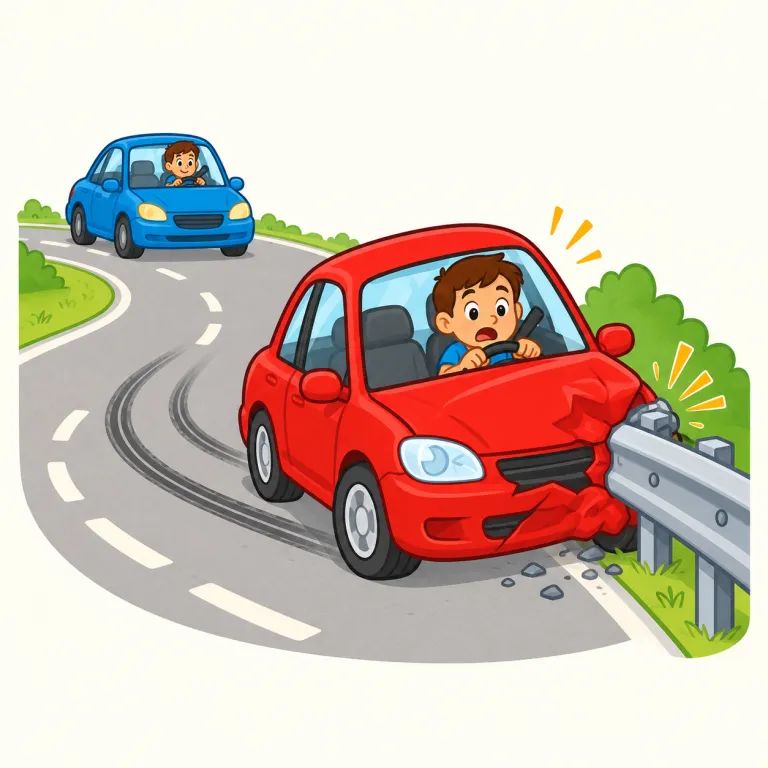
The imprudence of speeding caused the accident.
スピードを出しすぎるという軽率な行為が事故を引き起こしました。
She regretted her imprudence in trusting him so quickly.
彼女は彼をすぐに信用した自分の軽率さを後悔しました。
imprudence の類義語・関連語
類義語
派生語
imprudence の語源・成り立ち Etymology
im-は否定、prudence はラテン語 prudentia「先を見て判断すること」に由来し、もとは「先を見ないこと」という語感です。prudent や provide も同系で、軽率が単なるミスではなく“見通しの欠如”だと見えてきます。
Imprudence is formed from im- "not" and prudence. Prudence comes from Latin prudentia, meaning foresight or practical judgment, so the original sense was "lack of foresight." Related words such as prudent show the positive side of the same root.
同じレベルの語彙をもっと
外部辞書で調べる
この英単語をクイズで覚えよう