無生物の
解説 Definition
生命や意識を持たない物体や物質に対して使う語で、自ら動いたり反応したりしない状態を指す。石や金属、家具のように、自分で動いたり成長したりせず、命を感じさせないものに用いられる。人や動物とは異なり、意識や生命力がないさまを強調するときに用いる。
Inanimate means not alive and without life, movement, or feelings. It is usually used for objects or things, especially when contrasting them with living people, animals, or plants.
覚え方のコツ Memory Tip
animate を知っていると覚えやすい。animal と同じく「命・動き」のイメージを持つ語なので、in- が付いた inanimate は「動きや命がない」と逆向きに取れる。人や動物ではなく stone, wood, metal などの“ただそこにある物”を表す場面で出やすい。animated face は生き生きした表情、inanimate object は無生物という対比で覚えると定着しやすい。inert は「動かない・反応しない」寄りで、inanimate は「そもそも生命がない」と意識すると混同しにくい。
Break it into `in-` + `animate`. If `animate` is about life or movement, `inanimate` helps you remember things with no life in them. Learn it in the chunk `inanimate object`, which is much more common than the word alone.
例文
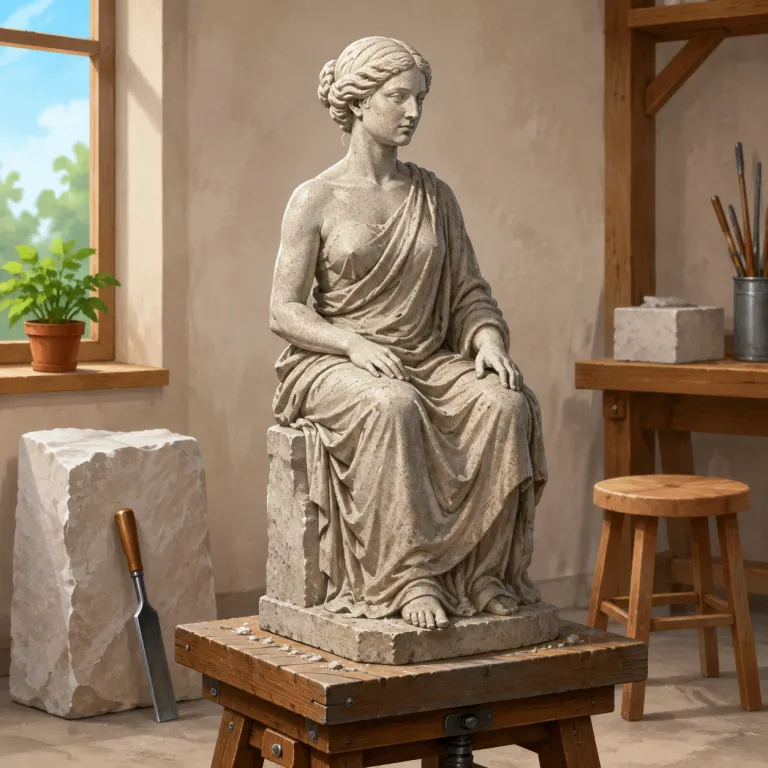
The artist made the statue appear less inanimate by tilting its head slightly.
芸術家は像の頭を少し傾けることで、無生物らしさを和らげた。
He prefers to photograph inanimate things like old buildings.
彼は古い建物のような無生物を撮影するのが好きだ。
The robot moved with more life than the inanimate toy beside it.
ロボットは隣にあった命のない玩具よりもいきいきと動いた。
inanimate の類義語・関連語
inanimate の語源・成り立ち Etymology
inanimate は in-「〜でない」+ animate で、語源はラテン語 anima「息・魂」です。もとは「魂を与えられていない」という感覚で、そこから「生命のない、無生物の」へ発展しました。関連語は animate, animal。
Inanimate is formed from in-, meaning not, and animate. Animate goes back to Latin anima, meaning breath or soul. The original idea was "without breath or soul," which later became the general sense of not alive. Related words include animate and animal.
同じレベルの語彙をもっと
外部辞書で調べる
この英単語をクイズで覚えよう