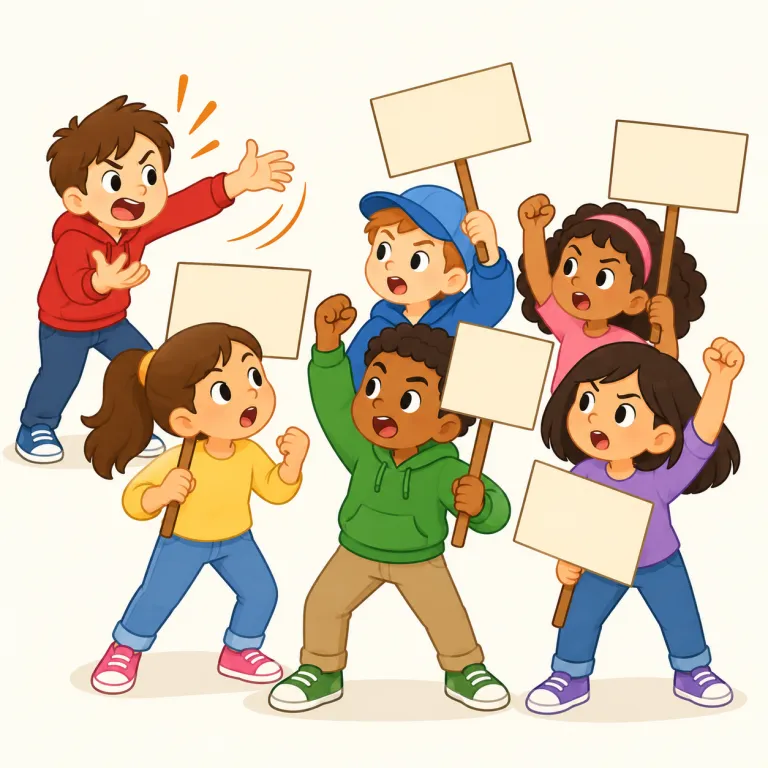
扇動する
解説 Definition
instigating は instigate(扇動する、けしかける)の動名詞・現在分詞です。人に行動を起こさせる、特に争いや問題を起こすよう促すという否定的な文脈でよく使われます。
Causing or deliberately encouraging an action, reaction, or event to begin, especially one involving conflict, anger, protest, or other trouble. It is the present participle or gerund form of “instigate.”
覚え方のコツ Memory Tip
instigate「扇動する、けしかける」に -ing を付けた現在分詞・動名詞で、語末の e を落として instigating となります。instigate violence、instigate a protest、instigate anger のように、争い・抗議・怒りなど好ましくない行動や反応を人為的に起こさせる組み合わせで覚えましょう。単なる encouragement より否定的です。
Start with the base verb instigate, “to cause or urge something to begin,” and apply the spelling rule for final silent e: drop the e before adding -ing, producing instigating. Associate it with common combinations such as instigating violence, instigating a protest, or instigating anger. The word often implies that someone is deliberately provoking a harmful or disruptive response, sometimes from behind the scenes. This makes it more negative than simply encouraging someone, which can describe support for a useful or positive action.
例文
He was accused of instigating the protest.
彼はその抗議活動を扇動したとして非難されました。
The message seemed aimed at instigating anger among the group.
そのメッセージは集団の怒りをあおることを狙っているようでした。
The report warned that instigating violence online can have serious consequences.
その報告書は、オンラインで暴力を扇動することは重大な結果を招き得ると警告しました。
instigating の類義語・関連語
instigating の語源・成り立ち Etymology
ラテン語 instigare(駆り立てる)が語源。in-(中へ)+ stigare(突く、刺す)から成り、「内側から突いて行動させる」が原義。関連語:stick(突き刺す)、stimulate(刺激する)。人を裏からけしかけるニュアンスは「突いて動かす」イメージから来ている。
Instigating is the -ing form of instigate, with the final silent e removed before the suffix is added. Instigate comes from Latin instigare, meaning “to urge on, incite, or stimulate.” Its historical formation conveys the image of prodding someone into action. In modern English, that idea survives especially in contexts where a person deliberately starts or encourages conflict, unrest, anger, or another troublesome event.
同じレベルの語彙をもっと
外部辞書で調べる
この英単語をクイズで覚えよう