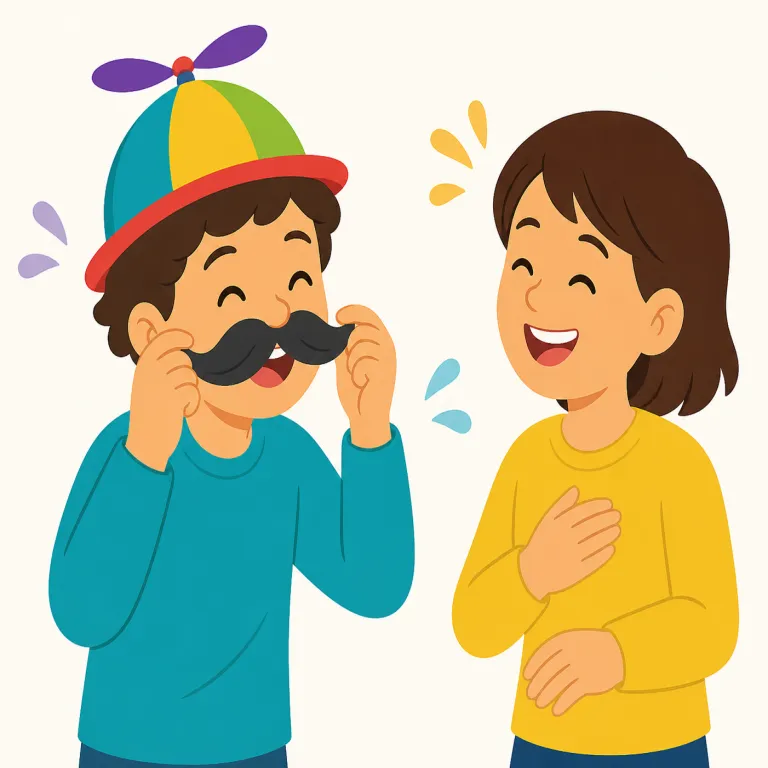
冗談
解説 Definition
冗談を言う行為や、ユーモアに満ちた話をすること。軽い笑いや娯楽を目的とした言動。
Jesting means joking or speaking in a playful, not serious way. It is used when people make light comments to amuse others or reduce tension. This word sounds a little formal or literary compared with everyday words like joking.
覚え方のコツ Memory Tip
joke や kidding に近いが、jesting は少し文語的で「軽口をたたくこと・冗談めかしたやり取り」という響き。まず jest を「joke のやや古風版」と置くと覚えやすい。-ing が付くので、1個の冗談そのものより「冗談を言っている最中の感じ」「ふざけた調子」を表しやすい。in jest(冗談で), jesting manner(冗談っぽい態度)の形でまとめて覚えると定着する。testing と見間違えないこと。
Think of `jest` as a slightly old-fashioned or literary version of `joke`. With `-ing`, `jesting` often feels like joking behavior or a playful tone, not just one joke. Useful phrases like `in jest` and `a jesting manner` help fix it in memory.
例文
His jesting tone made everyone laugh during the serious meeting.
真面目な会議中の彼の冗談めいた口調は皆を笑わせた。
She enjoyed jesting with her friends, but they took her comments seriously.
彼女は友達と冗談を言うのを楽しんでいたが、彼らは彼女のコメントを真に受けた。
Jesting aside, we need to discuss this important matter.
冗談はさておき、この重要な問題について議論する必要がある。
jesting の類義語・関連語
派生語
jesting の語源・成り立ち Etymology
jesting は jest「冗談を言う」+ -ing。jest は中英語 geste、古フランス語 geste、ラテン語 gesta「なされた事・功績」にさかのぼり、「語られる出来事」が「面白い話」へ変わって冗談の意味になりました。関連語は jester, gesture。
Jesting comes from jest plus the ending -ing. Jest goes back through Middle English and Old French to Latin gesta, meaning things done or deeds. The sense seems to have moved from a story about events to an amusing story, and then to a joke. Related English words include jester and gesture.
同じレベルの英単語をもっと
外部辞書で調べる
この単語を英単語クイズで覚えよう