歌舞伎
解説 Definition
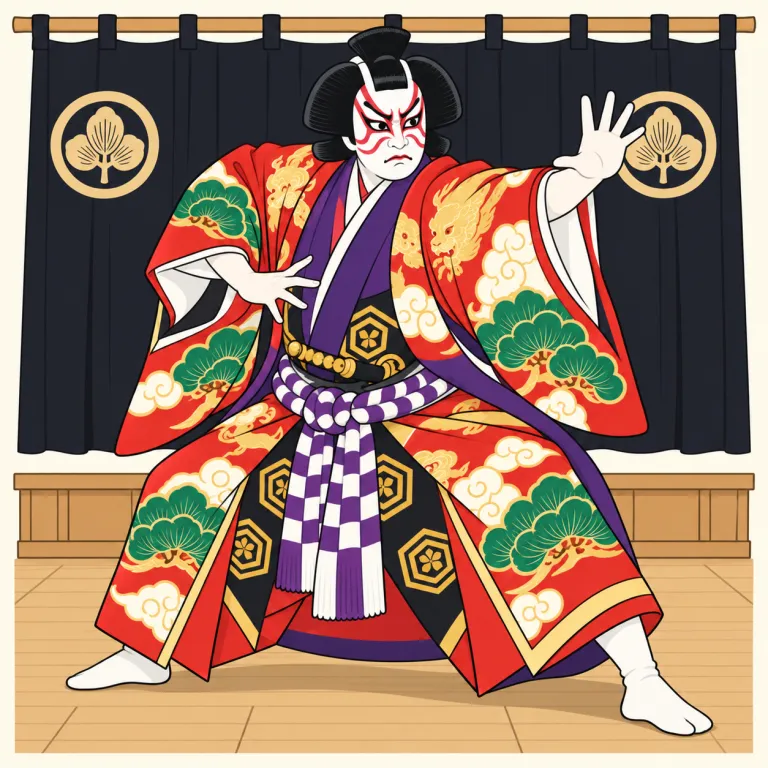
kabuki は、華やかな衣装や化粧、様式化された演技や動きを特徴とする日本の伝統演劇です。17世紀に発展した舞台芸術です。
Kabuki is a traditional form of Japanese theater known for stylized acting and movement, elaborate costumes and makeup, and distinctive music and staging. It developed in the seventeenth century and remains a prominent Japanese performing art.
使い方 Usage
- kabuki performance「歌舞伎の公演」、kabuki actor「歌舞伎俳優」のように、名詞の前に置いて使えます。 Kabuki can come before another noun, as in kabuki performance and kabuki actor.
- kabuki theater は歌舞伎の劇場を表せます。文脈がない場合、特定の劇場名「歌舞伎座」とは限りません。 Kabuki theater can refer to a theater for kabuki. Without further context, it does not necessarily identify the specific theater called Kabukiza.
覚え方のコツ Memory Tip
日本語「歌舞伎」と英語の綴り kabuki を直接結び付けて覚えます。「歌・舞・伎」の字から舞台を連想できますが、名前には動詞「かぶく」との歴史的なつながりもあります。
Connect the Japanese word 歌舞伎 directly with the English spelling kabuki. The characters suggest singing, dancing, and skill as a memory aid; the name also has a historical connection with the verb kabuku.
例文
We watched a kabuki performance.
私たちは歌舞伎の公演を見ました。
Learning kabuki requires years of training to master the traditional techniques.
歌舞伎を学ぶには、伝統的な技術を習得するために何年もの訓練が必要です。
The kabuki theater in Tokyo attracts tourists from around the world.
東京のその歌舞伎の劇場には、世界中から観光客が訪れます。
kabuki の類義語・関連語
類義語
派生語
紛らわしい語
kabuki の語源・成り立ち Etymology
日本語「歌舞伎」がそのまま英語に借用された語。「歌(か)」「舞(ぶ)」「伎(き)」=歌と舞と技芸を意味し、三つの芸能要素を一字ずつ当てた名称。一説では「傾く(かぶく)」=常識外れな振る舞いから派生したとされる。関連語:geisha, samurai(同じく日本語由来の英語)。
English borrowed kabuki directly from Japanese 歌舞伎. The written characters can be interpreted individually as “song,” “dance,” and “skill or performance,” but they were selected to represent an already established name rather than serving as a secure compositional origin. The name is generally associated with the older Japanese verb kabuku, meaning to lean, deviate, or behave unconventionally, reflecting the striking style of early performers. Kabuki developed as a theatrical tradition in Japan during the seventeenth century.
同じレベルの語彙をもっと
外部辞書で調べる
この英単語をクイズで覚えよう