甲高くうなる、鋭い音を立てる
verb 動詞風、警報器、動物などが、悲鳴に似た鋭く長く伸びる音を立てていることを表す。人が死者を悼んで泣く場合に限らず、耳をつんざくような持続音を描写する文学的な用法である。
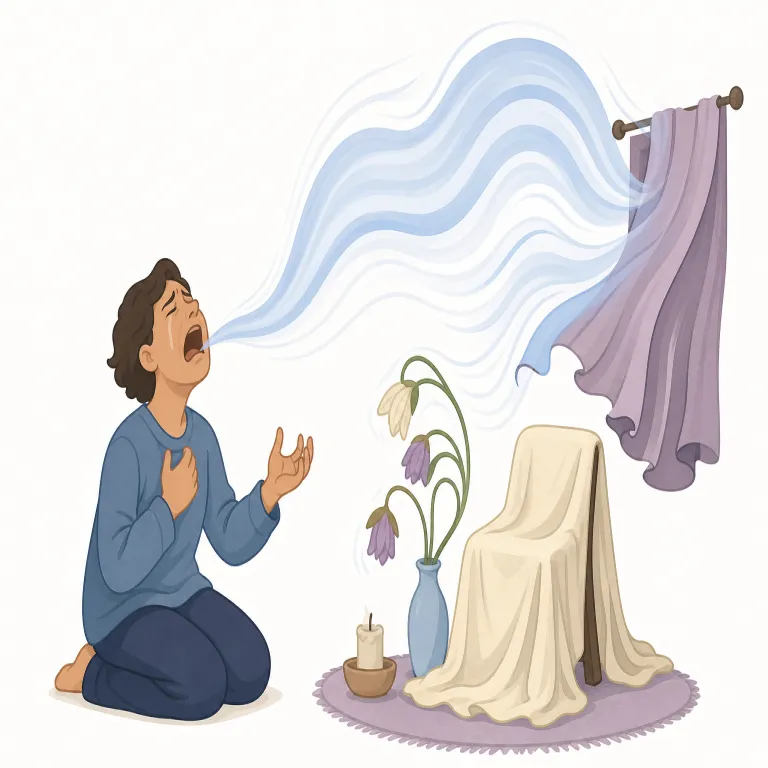
keening はTOEIC 860・TOEFL 80・IELTS 6.5レベルの英単語で、「悲痛に泣き叫ぶ」という意味があります。発音記号は /ˈkiːnɪŋ/ です。
死者を悼む場面などで、深い悲しみを表して鋭く長く泣き叫ぶことをいう。特にアイルランドなどの伝統的な弔いの文脈で使われることがあり、普通の「泣く」よりも儀礼的で痛切な響きをもつ。
Keening means crying out with a long, high, sad sound, especially because of grief or deep sorrow. The word is often used in literary or emotional contexts rather than in everyday conversation. It can describe intense mourning or wailing.
keen を「鋭い」と知っていれば、keening は「耳に刺さるように鋭く長く続く泣き声」と結びつけると覚えやすいです。普通の cry はただ泣く、weep は静かに涙を流す、wail は大声で嘆く。それに対して keening は、葬儀や死者を悼む場面での、儀礼的で痛切な嘆きに寄る語。-ing で“その嘆き声が続いている感じ”も一緒に押さえると定着します。
Think of `keen` as something sharp, then imagine a sharp, piercing cry. `Keening` is not just any crying sound; it suggests a long, painful mourning cry. Compare it with `weep`, which is quieter, and `wail`, which is louder but less tied to grief rituals.
The widow was keening mournfully as she followed the coffin.
その未亡人は棺の後に付き従いながら、悲痛に泣き叫んでいた。
The women were keening loudly at the funeral.
女性たちは葬儀で大きな声を上げて嘆き泣いていた。
You could hear her keening from across the cemetery.
墓地の向こう側から、彼女が悲痛に泣き叫ぶ声が聞こえた。
文脈によって、次の意味でも使われます。
風、警報器、動物などが、悲鳴に似た鋭く長く伸びる音を立てていることを表す。人が死者を悼んで泣く場合に限らず、耳をつんざくような持続音を描写する文学的な用法である。
keening はアイルランド語 caoineadh「嘆き、泣き叫び」に由来し、英語 keen「嘆く」と結びついた語です。原義は葬送で声を上げて泣くことで、胸を刺すような泣き声の感じがそのまま意味になっています。関連語は keen, caoineadh。
"Keening" comes from Irish "caoineadh," meaning a lament or crying aloud for the dead. English connected this with the verb "keen," meaning to wail in grief. The word kept the strong sense of crying out in mourning, especially in funeral traditions; a related form is "keen."
この英単語をクイズで覚えよう