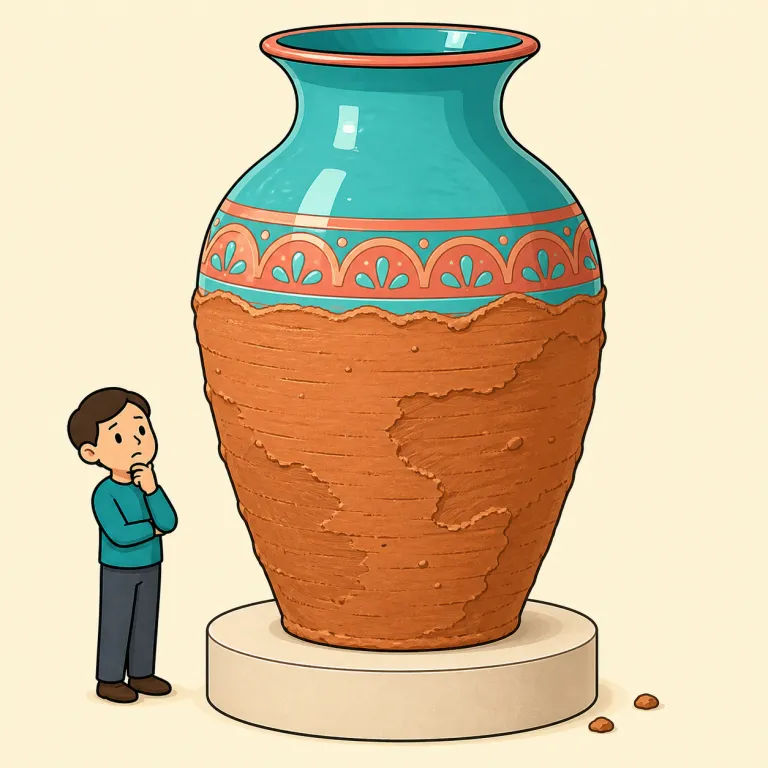
leave much to be desired
不十分である
解説 Definition
期待や基準に達しておらず、満足できない状態であること。改善の余地が大きい。
This means being much worse than hoped or expected. It is used when something is disappointing in quality, condition, or performance. The phrase is a polite but clear way to say that something is not good enough.
覚え方のコツ Memory Tip
この句は直訳気味に「望まれるものをまだ多く残したまま=満足ラインまで届いていない」と押さえると覚えやすいです。ポイントは desired を「望ましい状態」、leave much を「かなり不足を残す」とセットで見ること。結果として、露骨に bad と言い切らずに「期待以下で改善余地が大きい」と批評するときの定番表現になります。The service leaves much to be desired. のように、品質・説明・対応へのやや丁寧な不満でよく出ます。
Read it almost literally: it still leaves a lot to be wanted. That helps you remember the feeling of not reaching a good enough level. It is a polite way to criticize something without saying it is terrible. You often see it with service, quality, or performance.
例文
The quality of the translation leaves much to be desired.
その翻訳の品質は不十分である。
While the restaurant's ambiance is lovely, the service leaves much to be desired.
レストランの雰囲気は素敵だが、サービスは不十分だ。
His presentation skills leave much to be desired despite his deep knowledge of the subject.
テーマに関する深い知識があるにもかかわらず、彼のプレゼン能力は不十分だ。
leave much to be desired の類義語・関連語
leave much to be desired の語源・成り立ち Etymology
desire は古フランス語 desirer、さらにラテン語 desiderare「強く望む」に遡る。leave much to be desired は「望まれる分を残してしまう」という構図で、不十分さを表す。関連語は desirable と desirous。
`Desire` came into English through Old French `desirer`, from Latin `desiderare`, meaning to long for or wish strongly. The expression suggests that after something is judged, a large part of what people would still wish for remains missing. From that idea, the whole phrase came to mean that something is not good enough or is clearly lacking.
同じレベルの語彙をもっと
外部辞書で調べる
この英熟語をクイズで覚えよう