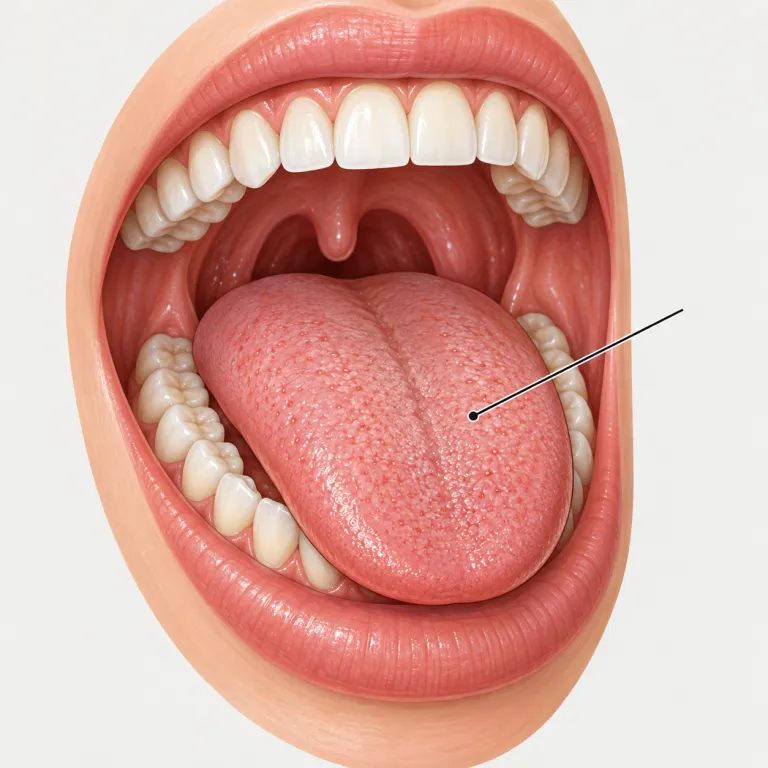
舌
解説 Definition
舌、または舌に似た構造。医学や解剖学では、味覚や言語に関わる口腔内の器官を指します。
Lingua is a Latin-based word meaning tongue or language. It is mostly used in technical, medical, or fixed expressions rather than in everyday English.
覚え方のコツ Memory Tip
bilingual, multilingual, linguistics などの lingu-/lingua- 系をひとかたまりで覚えると定着しやすい語です。まず『bilingual=2言語話せる』を知っていれば、lingua を見るたびに『言語・舌まわりの仲間だな』と連想できます。医学では lingual nerve, sublingual gland のように、口の中の“舌に関係する部位”で出やすいのも手がかり。language 一般ではなく、より解剖学的・専門的に“舌そのもの”を指しやすい点を区別すると混同しにくいです。
Treat lingua as the Latin-style, technical version of "tongue." It often appears inside medical words like "sublingual" or "lingual nerve," so that context helps fix it in memory. If the sentence feels like anatomy, not everyday conversation, lingua is easier to recognize.
例文
The anatomical model shows the lingua inside the mouth.
その解剖模型は口の中の舌を示しています。
The medical text describes the muscles of the lingua.
その医学書は舌の筋肉について説明しています。
The diagram labels the lingua as an organ of taste.
その図では、舌が味覚をつかさどる器官として示されています。
lingua の類義語・関連語
lingua の語源・成り立ち Etymology
lingua はラテン語で直接「舌」を意味し、そこから「ことば・言語」も表すようになった語です。lingual や bilingual、linguistics と同根で、「舌という器官が話すことばを代表する」という発想が見える語源です。
Lingua comes straight from Latin lingua, meaning "tongue." In Latin, the tongue as a body part also stood for speech and language, and English kept that idea in learned use. Related words include lingual, bilingual, and linguistics.
同じレベルの語彙をもっと
外部辞書で調べる
この英単語をクイズで覚えよう