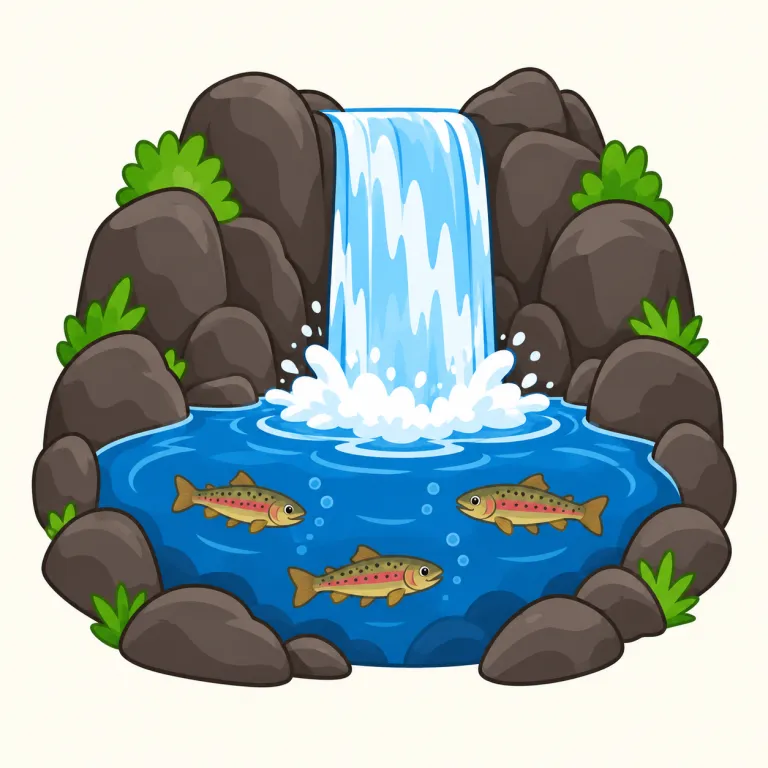
リン
解説 Definition
主にスコットランドや北部イングランドで使われる地域語で、滝、または滝や急流の下にできた深い淵・滝壺を指します。地名にも用いられます。
A linn is a waterfall or a deep pool formed below a waterfall or in a fast-flowing stream. The noun occurs chiefly in Scottish and northern English usage and is also found in place names.
覚え方のコツ Memory Tip
linn は主にスコットランドや北部イングランドで使われる地域語で、「滝」または滝の下の深い水たまりを指す。標準的な waterfall や pool と結び付け、地名に見かける語として覚えよう。古い形 hlynn 以来、水が激しく流れ落ちる音のイメージを伴う語である。
Treat linn as a regional landscape word rather than an everyday alternative to every use of waterfall. In Scottish and northern English contexts, it can name either falling water or the deep pool and rocky hollow associated with it. Picture a loud stream dropping into a dark pool, and connect the whole scene with the familiar words waterfall and pool. You may also encounter linn in place names, which is a useful clue that the location contains or once contained a waterfall, ravine, or rushing water.
例文
The linn roared after the heavy rain.
大雨のあと、その滝は轟音を立てていました。
Trout were swimming in the deep linn below the falls.
滝の下の深い淵では、マスが泳いでいました。
linn の類義語・関連語
紛らわしい語
linn の語源・成り立ち Etymology
語源は古英語「hlynn」に遡り、水が落ちる轟音を表すゲルマン祖語が源流です。接辞の分解はなく、音そのものから派生した単語です。関連語に「loud(轟く)」や「listen(聴く)」があり、滝の水音から「急流や滝壺」を指す意味が生まれたのが納得できます。
Linn comes from Old English hlynn, a word associated with a torrent or the loud noise of rushing water. Related forms also survived in northern British usage, especially in Scots and regional place names. The term was not created from a modern English prefix and root; it is an inherited landscape word whose sense developed from the sound and physical setting of forcefully falling or flowing water.
同じレベルの語彙をもっと
外部辞書で調べる
この英単語をクイズで覚えよう