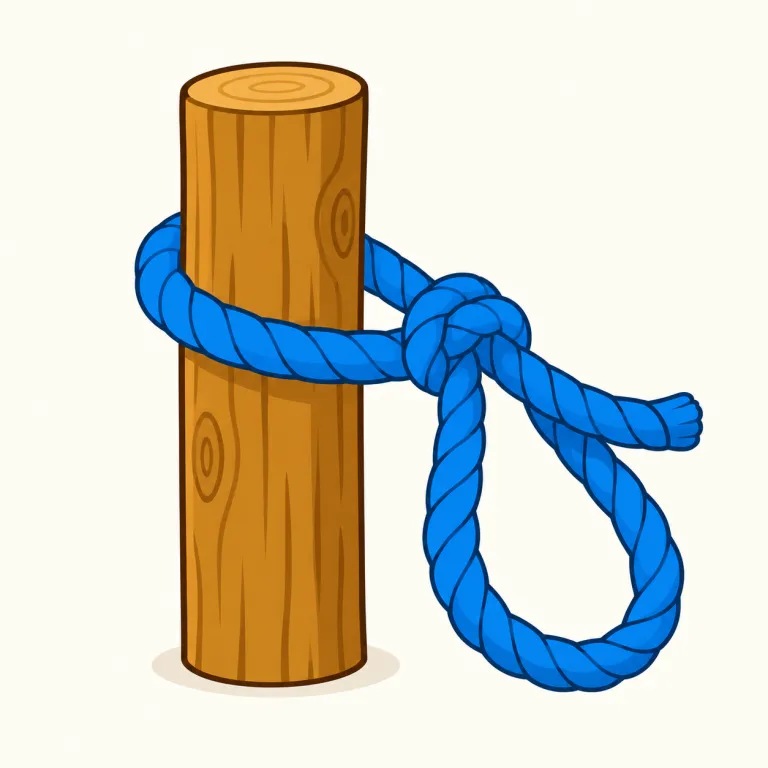
緩み
解説 Definition
緩み、つまり固く締まった状態の反対。または規則や道徳的な制約が厳しくない放縦な状態。
Looseness is the state of being not tight, not firm, or not closely fitted. It can describe physical things, such as clothing or joints, and also abstract things, such as weak control or unclear rules. Depending on context, it can be neutral or slightly negative.
覚え方のコツ Memory Tip
loose(ゆるい)が分かれば中心はつかみやすい語です。まず「ひも・ネジ・服に少し遊びがあって締まり切っていない状態」を思い浮かべ、その感覚を名詞化したのが looseness。the looseness of a screw なら物理的な「緩み」、moral looseness なら規律や態度の「ゆるさ・だらしなさ」へ広がります。strictness の反対側に置くと記憶しやすく、形も loose → loosen → looseness と段階で押さえると定着します。lose とつづりが紛らわしい点にも注意。
Learn it as a word family: `loose` -> `loosen` -> `looseness`. First picture a loose screw, loose clothes, or anything not fully tight. Then `looseness` becomes the state of having that extra space or lack of tight control. Be careful not to confuse `loose` with `lose`.
例文
The looseness of the bolt caused it to rattle in its socket.
ボルトが緩んでいたため、ソケット内でカタカタ音がしていた。
The looseness of standards allowed for inconsistent results.
基準が緩かったため、結果に一貫性がなくなった。
The looseness of the rope meant it could slip easily.
ロープが緩んでいたため、簡単に滑り落ちかねない状態だった。
looseness の類義語・関連語
対義語
looseness の語源・成り立ち Etymology
looseness は古ノルド語 lauss「自由な・ほどけた」に由来する loose に、性質を名詞化する -ness が付いた語です。lose や loosen も同根で、締めつけが解けて固定されない感覚が、そのまま「緩み」という意味へ伸びています。
Looseness comes from loose plus the noun ending -ness. Loose is related to Old Norse lauss, meaning "free" or "unfastened." The word kept that basic idea of something not tightly fixed, and looseness came to mean the state or quality of being slack, free, or not firmly held; it is related to loosen and lose.
同じレベルの語彙をもっと
外部辞書で調べる
この英単語をクイズで覚えよう