金属性
解説 Definition
金属性。または金属元素の含有量。天文学における金属豊度。
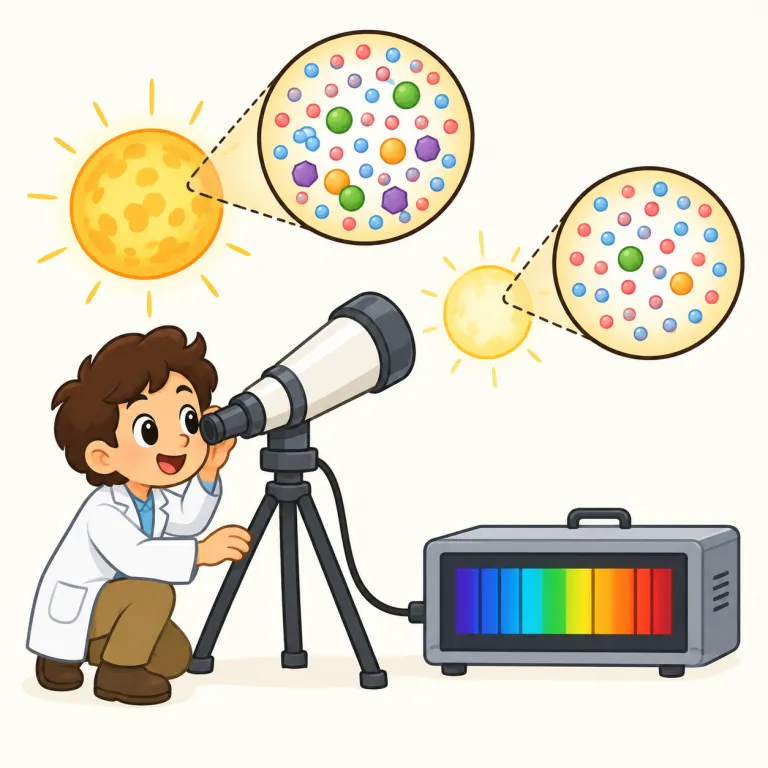
Metallicity means the degree to which something has the qualities or content of metal. In science, it can describe how metallic a material is, and in astronomy it means how much of a star or planet is made of elements heavier than hydrogen and helium. The exact meaning depends on the field.
覚え方のコツ Memory Tip
metal が核。まず metallic「金属のような」を思い出し、そこに -ity が付くと quality, purity と同じく「性質・度合い」の名詞になる。だから metallicity は「金属らしさ」より、実際には「金属元素の多さ」と覚えるとよい。天文学では特に、水素・ヘリウム以外の重い元素がどれだけ含まれるかを表す語。metal 単独や metallurgy と混同せず、「metallic → metallicity」で一段抽象化された測定値の語感を作る。
Start from `metal`, then move to `metallic`, and then to `metallicity`. The ending `-ity` turns an adjective into a quality word, like `pure` to `purity`. In science, especially astronomy, this often means the amount of heavier elements, so think of it as a measured property, not just `metal` in general.
例文
The metallicity of the star indicates its chemical composition and age.
その星の金属量は、化学組成と年齢を示している。
Astronomers measure a star's metallicity, its abundance of elements heavier than helium, to understand stellar evolution.
天文学者は恒星の進化を理解するため、ヘリウムより重い元素の存在量を示す金属量を測定する。
The galaxy's metallicity distribution shows how its metal content changed during its formation.
銀河の金属量の分布から、形成過程で金属元素の含有量がどう変化したかがわかる。
metallicity の類義語・関連語
紛らわしい語
metallicity の語源・成り立ち Etymology
metallicity は metal + -ic + -ity から成り、原義は「金属的である度合い」。metal はラテン語 metallum、さらにギリシャ語 metallon「鉱山・金属」にさかのぼり、metallic や metallurgy と同根。だからこれは金属そのものではなく、「どれだけ金属らしい性質をもつか」を示す語だと分かる。
`Metallicity` was built in English from `metal` + `-ic` + `-ity`. The base word `metal` comes through Latin `metallum` from Greek `metallon`, which referred to a mine or metal. The sense developed from "metal-like quality" to the more general idea of how much something has a metallic character; related words include `metallic` and `metallurgy`.
同じレベルの語彙をもっと
外部辞書で調べる
この英単語をクイズで覚えよう